Question
Compute Cash Flow from Operating Activities from the following:
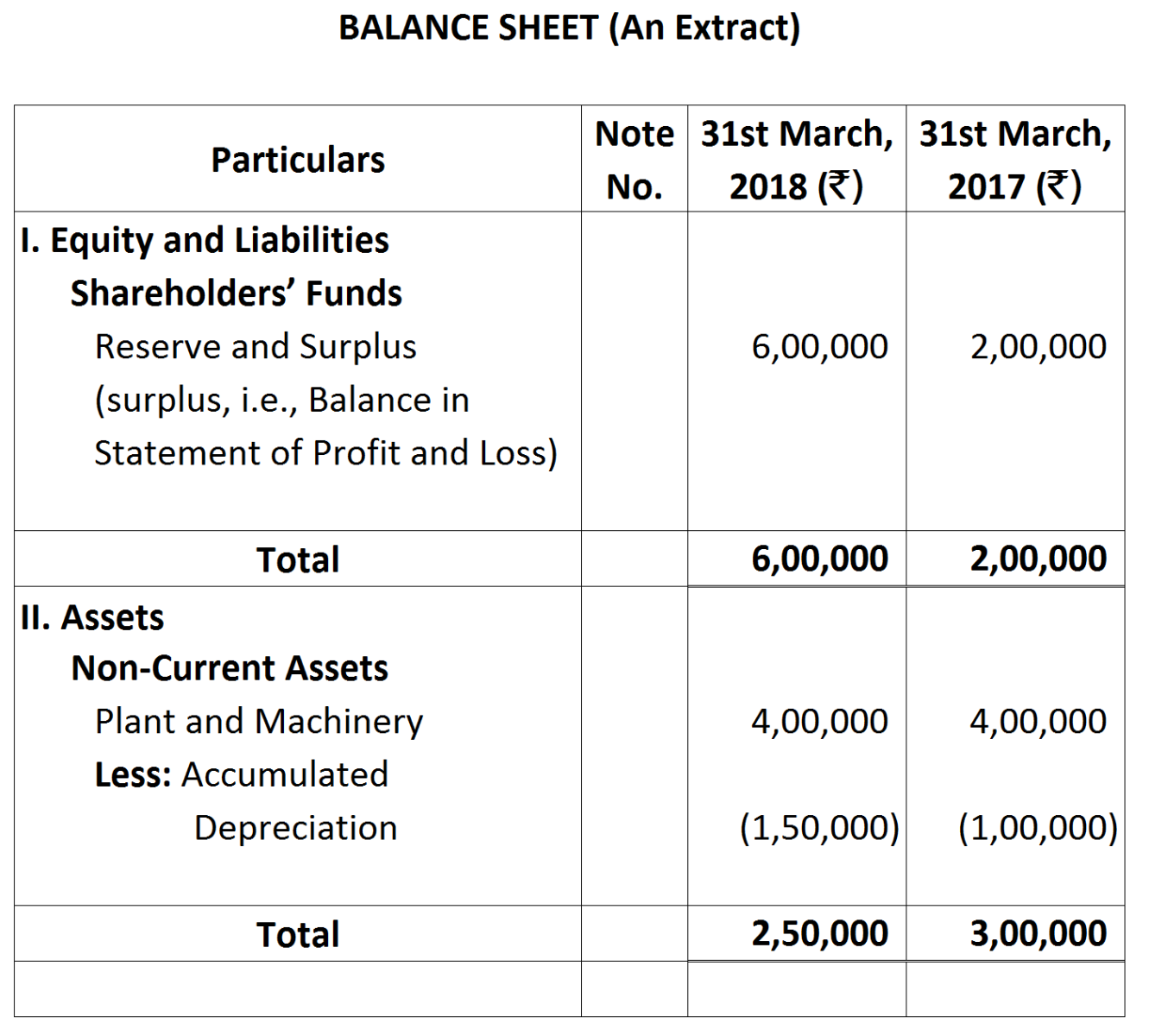
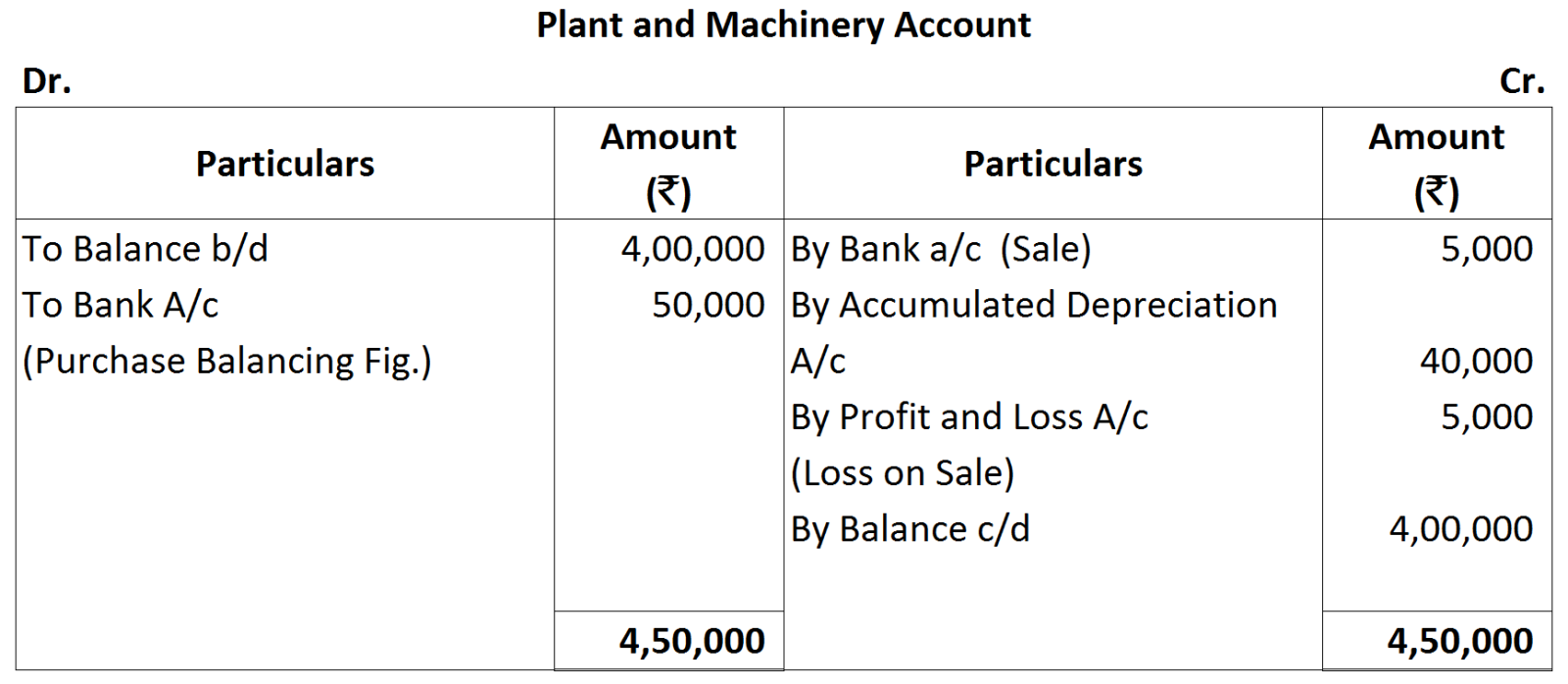
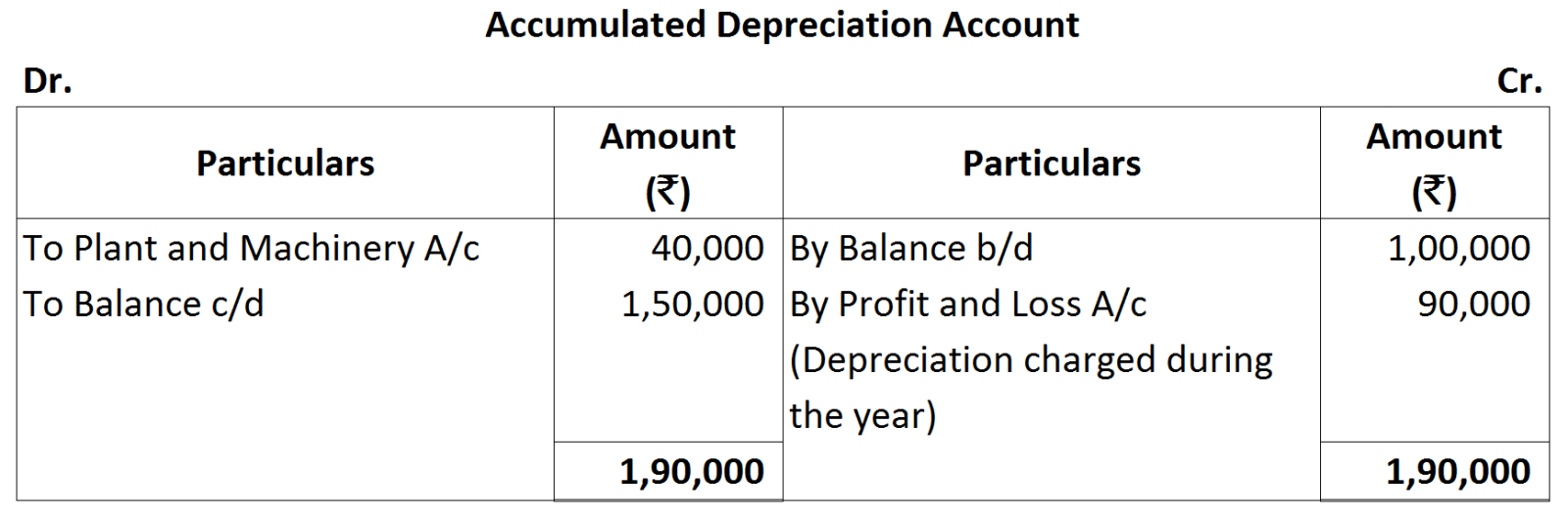
Additional information: during the year, apart of machinery ₹ 50,000 (accumulated depreciation thereon ₹ 40,000) was sold for ₹ 5,000.
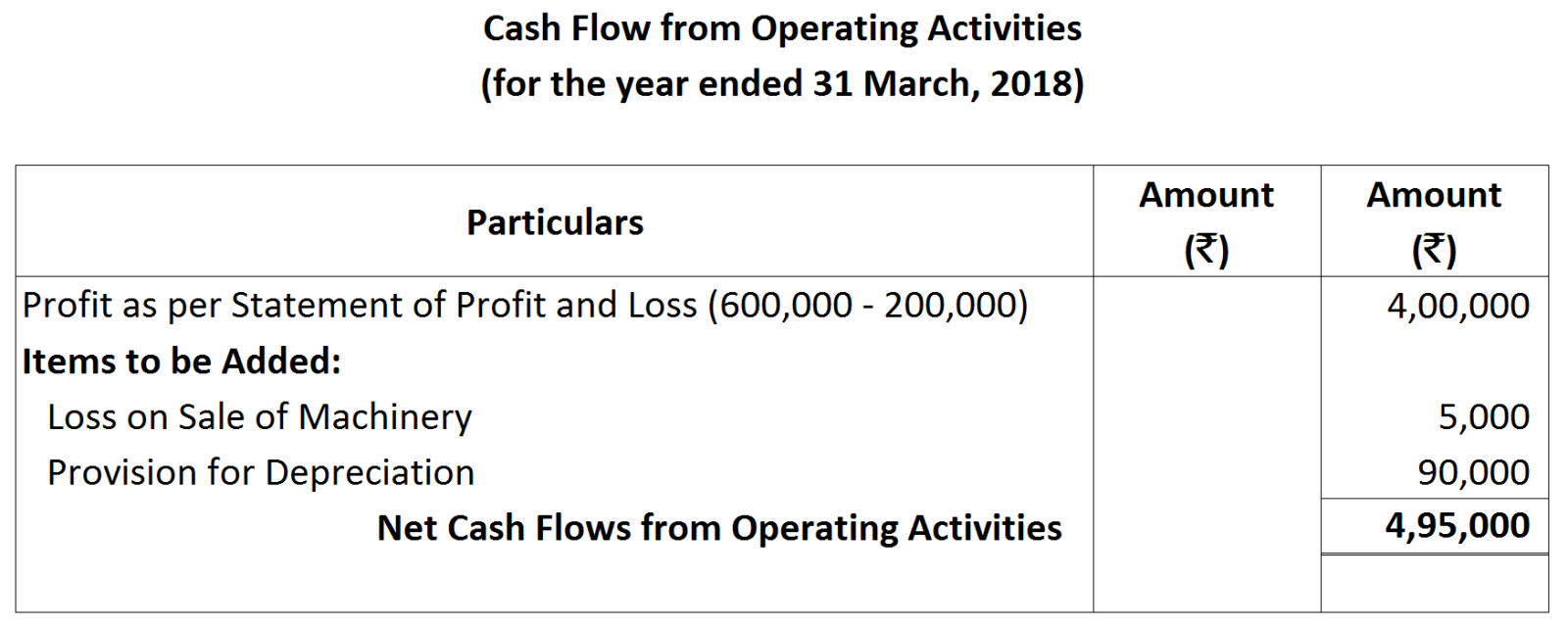
Answer


Working Notes:

Need a full question paper?

Generate a complete, print-ready paper with questions like this in minutes — across 16+ boards, with answer keys.

Start Generating Free

Similar questions

Average Inventory ₹ 80,000; Inventory Turnover Ratio 6 Times; Revenue from Operations 25% above cost. Calculate Gross Profit Ratio.
Identify the following transactions as belonging to (i) Operating, (ii) Investing, (iii) Financing Activities and (iv)Cash Equivalents:
  1. Interest paid
  2. Interest paid on long-term loans by
  1. Finance Company
  2. Non-finance Company
  1. Interest received
  2. Interest received on Investments by a bank
  3. Interest received on investments by a manufacturing company
  4. Dividend received
  5. Dividend received by a Mutual Fund Company
  6. Purchase of Investments
  7. Purchase of Investments by a finance company
  8. Purchase of Investments by a non-finance company
  9. Bank balance
  10. Short-term deposits in banks
  11. Bank Overdraft
  12. Marketable Securities
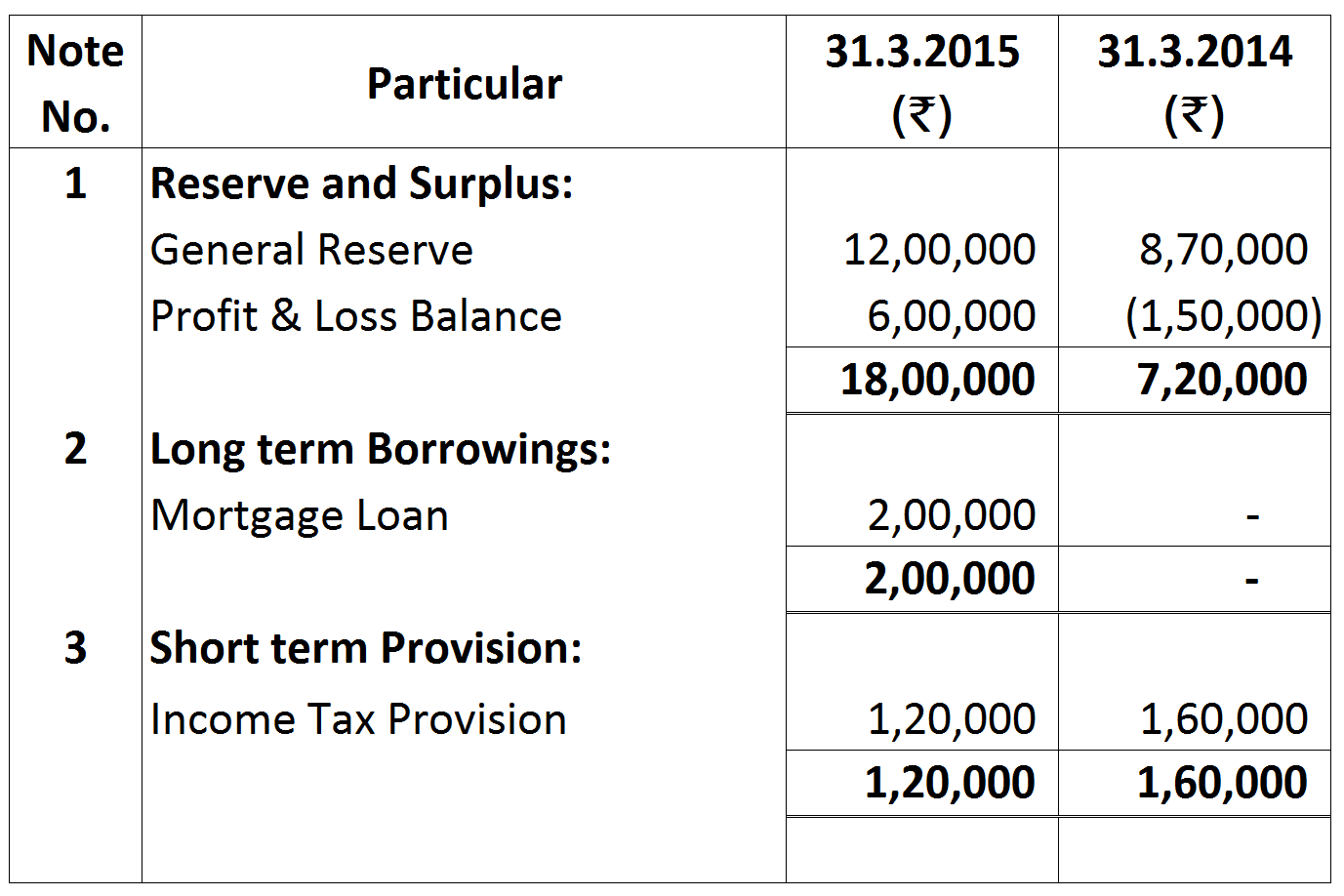
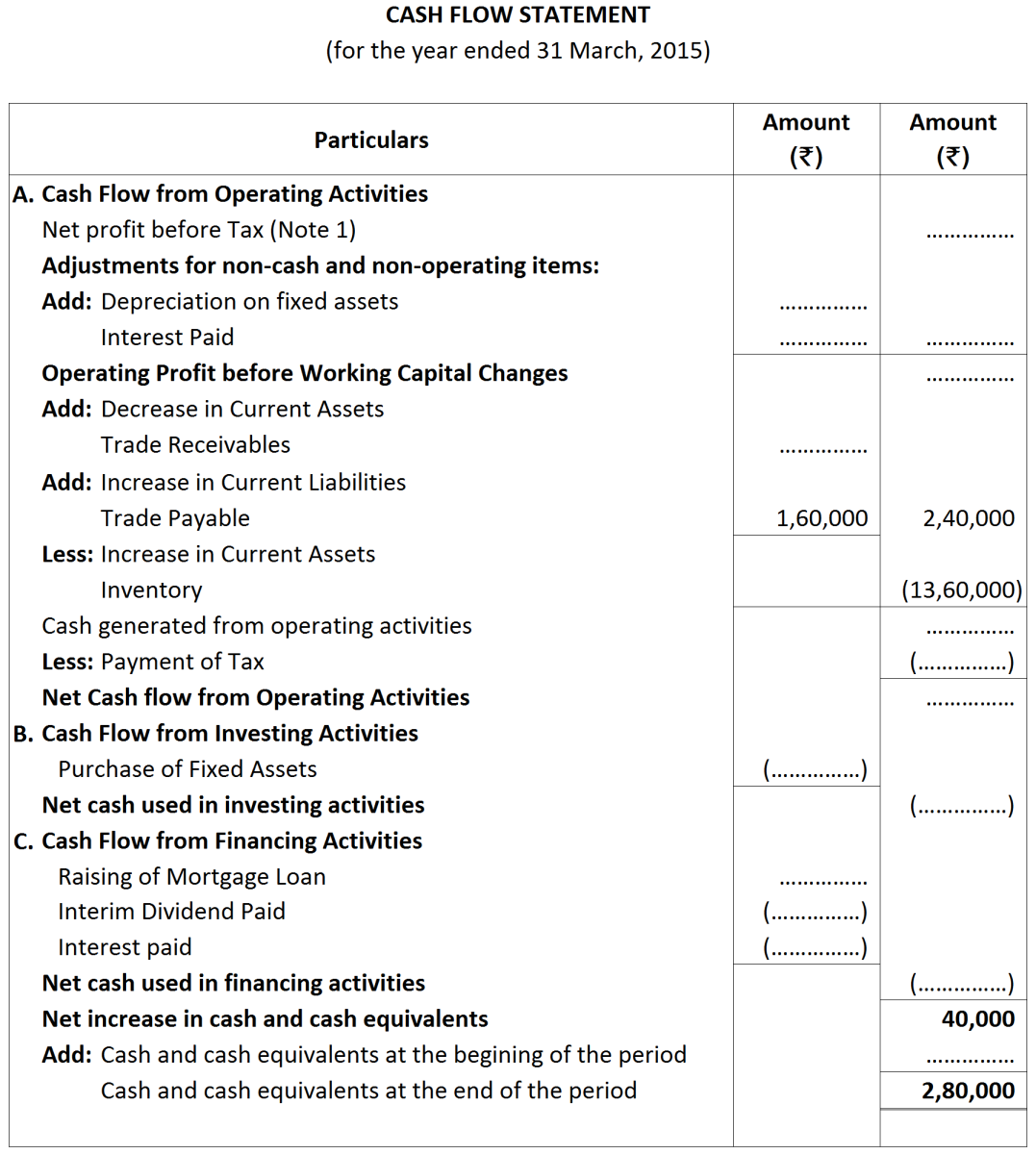
From the given notes to accounts and cash flow statement of X Ltd. complete the missing figures:

Additional Information:
  1. Depreciation written off on fixed assets ₹ 2,40,000.
  2. Interim Dividend paid during the year ₹ 4,00,000.
  3. Mortgage Loan was taken on 1st July 2014 @ 10% p.a. Interest has been paid up-to date.
From the following calculate:
  1. Current Ratio.
  2. Quick Ratio.
 
 
Total Debt.
6,00,000
Long-term Borrowings.
2,00,000
Total Assets.
8,00,000
Long-term Provisions.
2,00,000
Fixed Assets (Tangible).
3,00,000
Inventories
95,000
Non-current Investment.
50,000
Prepaid Expenses.
5,000
Long-term Loans and Advances.
50,000
 
 
State giving reasons, which of the following transactions would improve, reduce or not change the Current Ratio, if Current Ratio of a company is 0.8 : 1:
  1. Cash paid to Trade Payables.
  2. Purchase of Stock-in-Trade on credit.
  3. Purchase of Stock-in-Trade for cash.
  4. Payment of Dividend payable.
  5. Bills Payable discharged.
  6. Bills Receivable endorsed to a creditor.
  7. Bills Receivable endorsed to a creditor dishonoured.
Commerce Publications Ltd. issued 50,000 Equity Shares of ₹ 10 each at a premium of 10% payable as under:
On application
₹ 2,
On first call
₹ 2,
On allotment
₹ 5,
On final call
₹ 2.
The calls were made by the company and all the money was duly received except the allotment and call money on 500 shares. These shares were, therefore, forfeited and later reissued @ ₹ 9 per share as fully paid-up.
Pass necessary journal entries to record the above transactions.
X Ltd. issued 5,000, 8% Debentures of ₹ 200 each at a premium of 6% redeemable at a premium of 5% after 5 years. According to the terms of issue ₹ 80 was payable on application and balance on allotment.
Record necessary Journal entries at the time of issue of Debentures.
Debt to Equity Ratio of a company is 0.5 : 1. Which of the following suggestions would increase, decrease or not change it:
  1. Issue of Equity Shares.
  2. Cash received from debtors.
  3. Redemption of debentures.
  4. Purchased goods on credit?
Anirudh Ltd. has 4,000, 8% debentures of Rs. 100 each due for redemption on March 31, 2005. The company has a debenture redemption reserve of Rs. 1,50,000 on that date. Assuming that no interest is due record the necessary journal entries at the time of redemption of debentures.
The current ratio provides a better measure of overall liquidity only when a firm’s inventory cannot easily be converted into cash. If inventory is liquid, the quick ratio is a preferred measure of overall liquidity. Explain.