Question
Distinguish between prokaryotic and enkaryotic cells
| Prokaryotic cell | Eukaryotic Cell |
| 1. Size of a cell is generally small (1– 10 mm). | 1. Size of a cell is generally large (5 – 100 mm) |
| 2. Nucleus is absent (Nuclear region or nucleoid is not surrounded by a nuclear membrane). | 2. Nucleas is present (Nuclear material is surrounded by a nuclear membrane). |
| 3. It contains single chromosome. | 3. It contains more than one chromosome. |
| 4. Nucleolus is absent. | 4. Nucleolus is present. |
| 5. Membrane bound cell organelles are absent. | 5. Membrane bound cell organelles such as mitochondria, plastids, endoplasmic reticulum, Golgi apparatus, lysosomes, peroxisomes, etc., are present. |
| 6. Cell division takes place by fission or budding (no mitosis). | 6. Cell division occurs by mitotic or meiotic cell division |
Generate a complete, print-ready paper with questions like this in minutes — across 16+ boards, with answer keys.
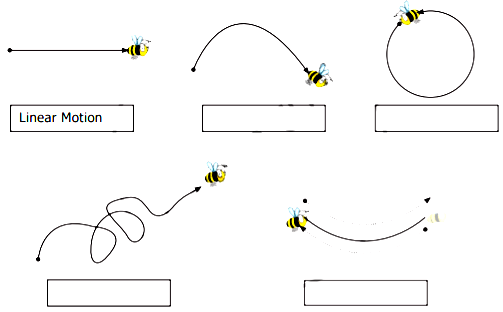
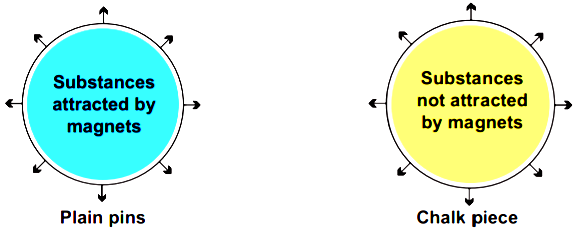
 |
 |
 |
| Push / Pull | Push / Pull | Push / Pull |
 |
 |
 |
| Push / Pull | Push / Pull | Push / Pull |