Question
Explain the use of 'Conditional Formatting'.

Answer

It helps in the visualization of the data our data.
It also helps in checking for specific information.
And it is, additionally, a great way to highlight top values or differences in our data as well. Besides all this, "Conditional Formatting" enables the different features to the users to make the data more informatic and readable as well. It also allows us to format the cells and their data effectively, which will meet the specified criteria respectively.

Need a full question paper?

Generate a complete, print-ready paper with questions like this in minutes — across 16+ boards, with answer keys.
Start Generating Free

Similar questions

B. Ltd. issued 1,000, 12% debentures of ₹ 100 each on January 01, 2005 at a discount of 5% redeemable at a premium of 10%.
Give journal entries relating to the issue of debentures and debentures interest for the period ending December 31, 2005 assuming that interest is paid half yearly on June 30 and December 31 and tax deducted at source is 10%. B.Ltd. follows:
calendar year as its accounting year.
Green Valley Ltd. offered 5,00,000 shares to public for subscription. Applications were received for 7,50,000 shares and pro rata allotment was made to the applicants of 6,00,000 shares. Arushi applied for 4,800 shares and Navya was allotted 3,000 shares.
From the above information, calculate:
  1. How many applications have been rejected altogether?
  2. What is the pro rata ratio?
  3. How many shares were allotted to Arushi?
  4. How many shares were applied by Navya?
Bank of Baroda issued 8,000, 8% Debentures of ₹ 100 each at a premium of 6% on 1st April, 2008 redeemable on 31st March, 2015. Record necessary entries for issue and redemption of debentures.
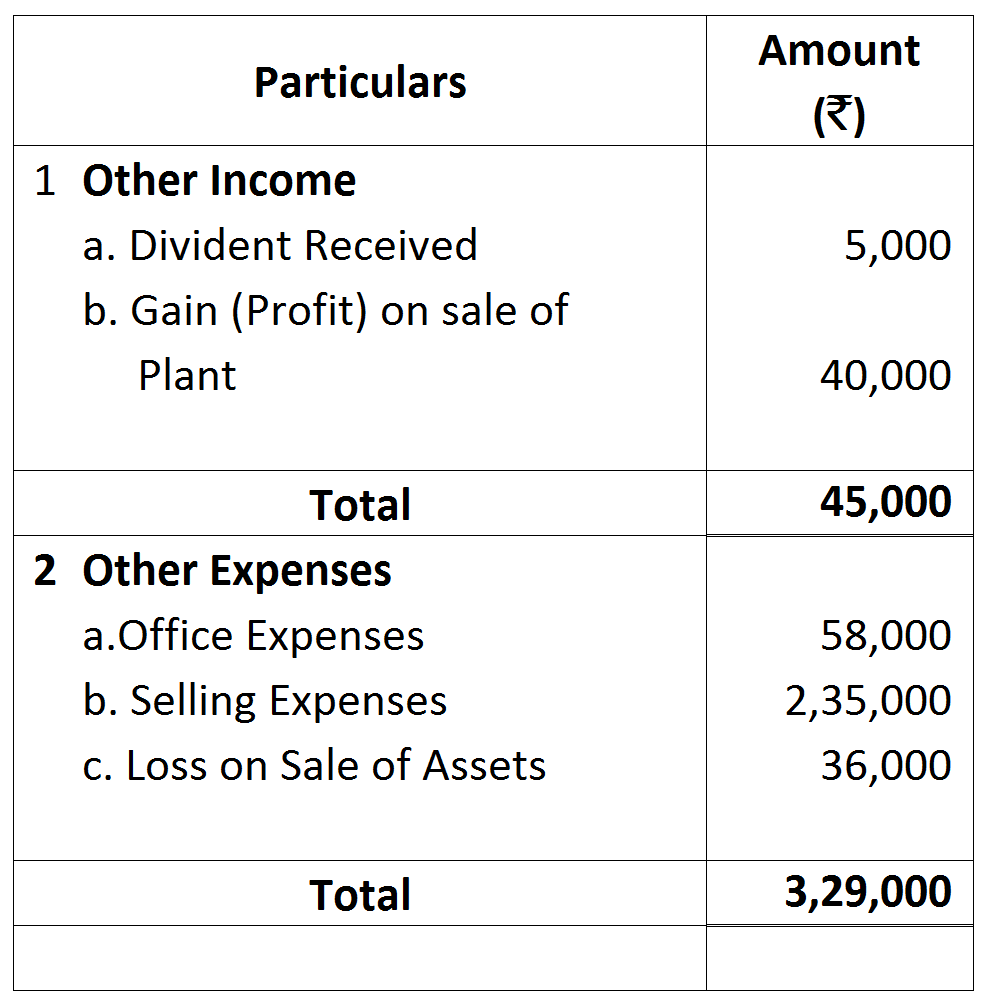
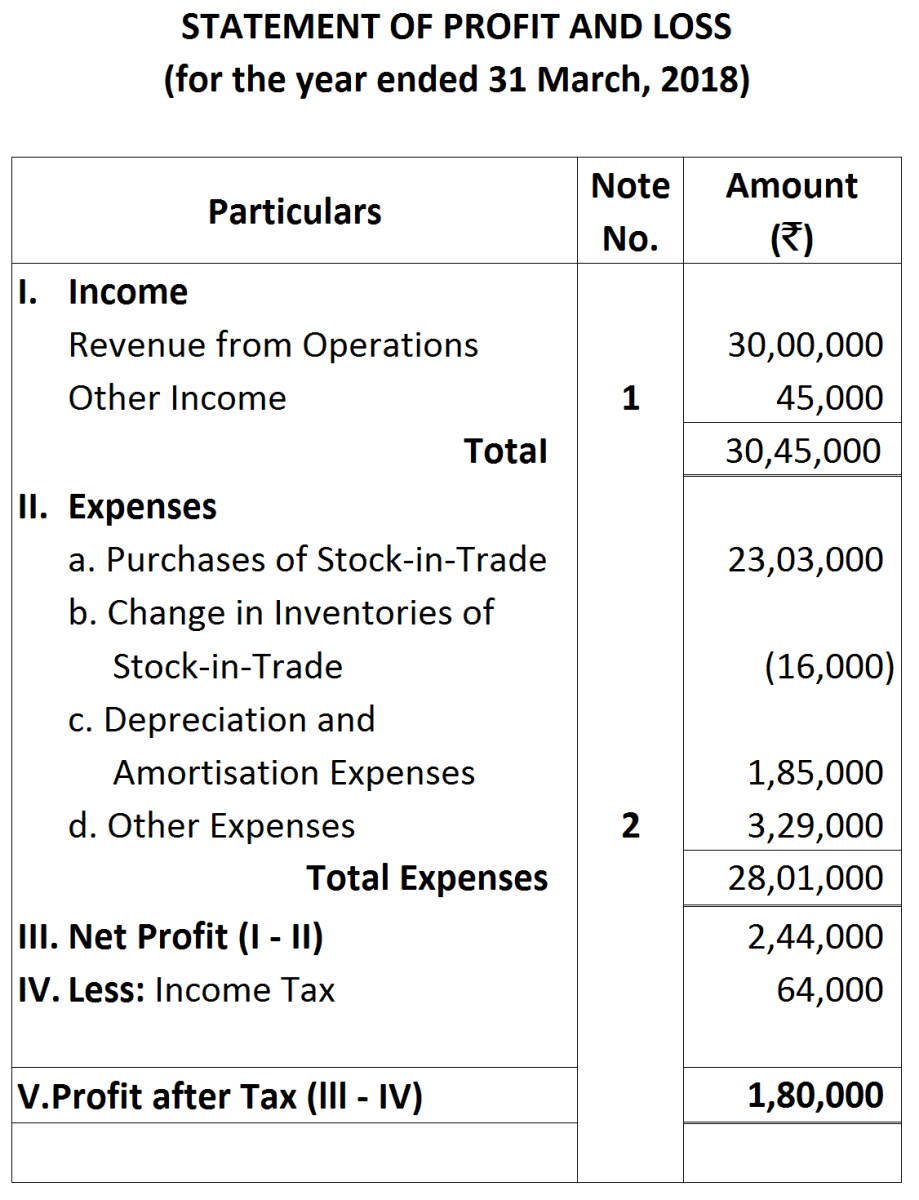
Following information is related to ABC Ltd.: Notes to Account:
Other Informatiom:
Balance as on 31st march, 2018 (₹)
Balance as on 31st march, 2017 (₹)
Trade paybles
2,78,000
2,50,000
Trade receivables
4,52,000
4,15,000
inventories
3,00,000
2,84,000
Office expenses Outstanding.
-
5,000
Selling expenses Outstanding.
25,000
22,000
On 1-4-2018, Z Ltd. issued 5,00,000, 8% Debentures of ₹ 100 each at a discount of 6% redeemable at a premium of 10% after four years. The amount was payable as follows:
On application ₹ 50 per Debenture.
Balance on allotment.
Record the necessary journal entries for the issue of debentures in the books of the company.
What is meant by 'Financial Analysis'? What is the interest of shareholders and prospective investors in such analysis?
JCV Ltd., forfeited 200 shares of ₹ 10 each issued at a premium of ₹ 2 per share for the non-payment of allotment money of ₹ 3 per share (including premium). The first and final call of ₹ 4 per share has not been made as yet. 50% of the forfeited shares were reissued at ₹ 8 per share as fully paid-up. Pass necessary Journal entries for the forfeiture and reissue of shares.
Under which major headings and sub-headings will the following items be shown in the Balance Sheet of a company as per Schedule VI Part I of the Companies Act, 1956:
  1. Cheques in hand.
  2. Stock of work-in-progress.
  3. Copyrights.
  4. Loose tools.
  5. Provision for bad debts.
  6. Negative balance shown by the Statement of Profit and Loss.
  7. Bonds.
  8. Unpaid dividend.
On 1st May, 2014, Directors of a Limited Company forfeited 200 shares of ₹ 20 each, ₹ 15 per share called-up, on which ₹ 10 per share has been paid by A, the amount of the first call of ₹ 5 per share being unpaid. Ten days Later, the Directors reissued the forfeited shares to B credited as ₹ 15 per share paid-up, for a payment of ₹ 10 per share.
Give journal entries in the company's books to record the forfeited shares and their reissue.
Profit after tax amounted to ₹ 6,00,000, and tax rate was 20%. If earnings before interest and tax was ₹ 10,00,000 and Nominal Value of Debentures amounted to ₹ 25,00,000 (assuming the only debt of the company), determine the rate of interest on debentures