Question
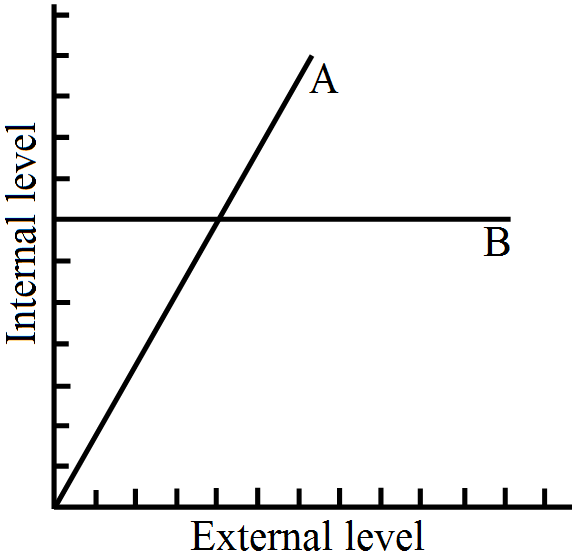
Given below is a graph depicting organismic response to changing external conditions. According to their response the organisms are grouped into two types. Name the type which will show (i) Pattern A (ii) Pattern B.
Answer

A- Conformers.
B- Regulators.

Need a full question paper?

Generate a complete, print-ready paper with questions like this in minutes — across 16+ boards, with answer keys.
Start Generating Free

Similar questions

Embryo sacs of some apomictic species appear normal but contain diploid cells. Suggest a suitable explanation for the condition.
A person shows strong unusual hypersensitive reactions when exposed to certain substances present in the air, identify the condition. Name the cells responsible for such reactions. What precaution should be taken to avoid such reactions.
Only asexual reproduction can give rise to individuals resembling their parent. Do you agree with the statement? Support your answer with an example.
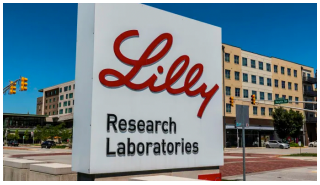
The below image shows is the headquarter of Eli Lilly company. Eli lily is one of the first pharmaceutical companies to produce human insulin using RDT technology by cell-based fermentation method.
Image
i. How did Eli Lilly synthesize human insulin?
ii. Mention one difference between this insulin and the one produce by the human pancreas.
The diversity of plants and animals is not uniform throughout the world but shows a rather uneven distribution. Explain with example.
  1. What is inbreeding depression?
  2. Explain the importance of "selection" during inbreeding in cattle.
  1. Name any two fowls other than chicken reared in a poultry farm.
  2. Enlist four important components of poultry farm management.

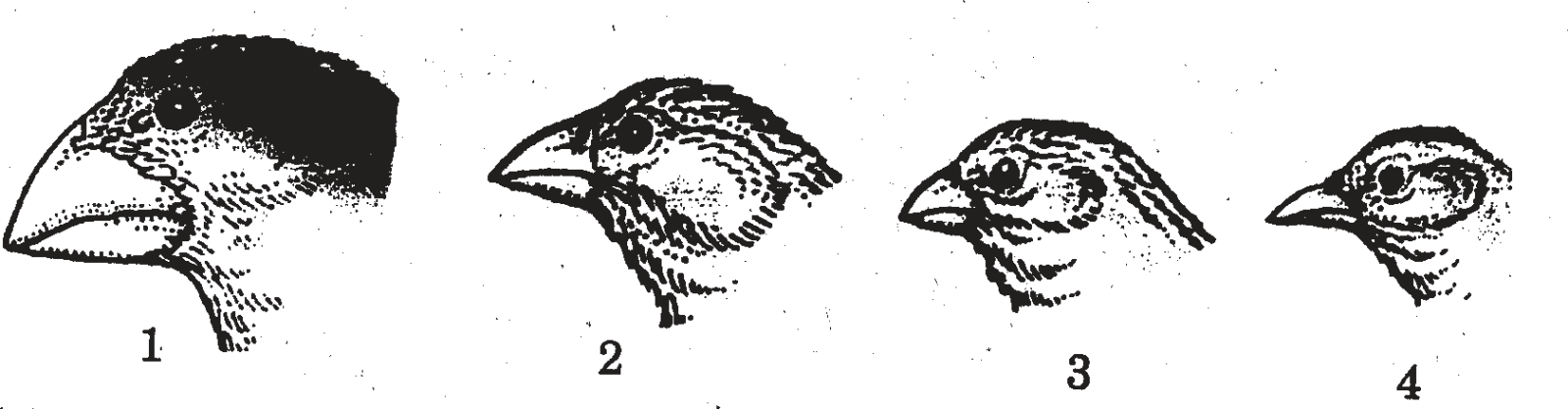
  1. Write your observations on the variations seen in the Darwin’s finches shown above.
  2. How did Darwin explain the existence of different varieties of finches on Galapagos Islands?
How are dominance, co–dominance and incomplete dominance patterns of inheritance different from each other?
  1. Draw the structure of the initiator tRNA adaptor molecule.
  2. Why is tRNA called an adaptor molecule?