Question
How did women involve themselves in their upliftment?

Answer

By the 1880s, Indian women began to enter universities. Some of them trained to be doctors, some became teachers. Many women began to write and publish their critical views on the place of women in society. Tarabai Shinde, a woman educated at home at Poona, published a book, Stripurushtulna, criticizing the social differences between men and women.
Pandita Ramabai founded a widows’ home at Poona to provide shelter to widows who had been treated badly by their husbands’ relatives. By the end of the nineteenth century, women themselves were actively working for reform. They wrote books, edited magazines, founded schools and training centres, and set up women’s associations. From the early twentieth century, they formed political pressure groups to push through laws for female suffrage (the right to vote) and better health care and education for women.
Need a full question paper?

Generate a complete, print-ready paper with questions like this in minutes — across 16+ boards, with answer keys.

Start Generating Free

Similar questions

Why are tribal communities poor?
Briefly describe the Adivasis.
What reforms did the British introduced in the Indian society? How did people of India respond to them?
Listed below are the key features of the Indian Constitution. Write two sentences, in your own words, on why you think this feature is important:
  • Federalism
  • Separation of Powers
  • Fundamental Rights
  • Parliamentary Form of Government
Describe in detail the various features of Indian constitution.
What were the hardships faced by the Adivasis?
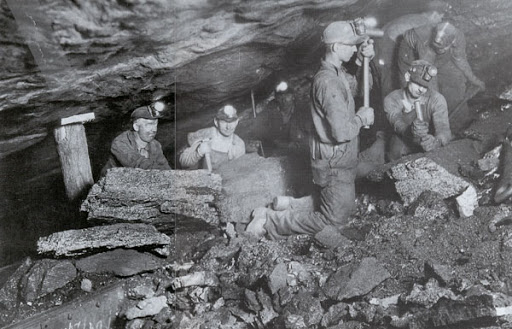
Observe the given picture and answer the questions that follow:
  1. What do you see in the given picture?
  2. How are their working conditions?
  3. How did different tribal groups live? Describe.
Describe the various ways to prevent religious domination by the Indian constitution.
What were the areas of conflict between the Bengal nawabs and the East India Company?
Read the following extract and answer the questions that follow:The List of Eighty-Four Rules
Given here are excerpts from the book Majha Pravaas, written by Vishnubhatt Godse, a Brahman from a village in Maharashtra. He and his uncle had set out to attend a yajna being organised in Mathura. Vishnubhatt writes that they met some sepoys on the way who told them that they should not proceed on the journey because a massive upheaval was going to break out in three days. The sepoys said: the English were determined to wipe out the religions of the Hindus and the Muslims … they had made a list of eighty-four rules and announced these in a gathering of all big kings and princes in Calcutta. They said that the kings refused to accept these rules and warned the English of dire consequences and massive upheaval if these are implemented … that the kings all returned to their capitals in great anger … all the big people began making plans. A date was fixed for the war of religion and the secret plan had been circulated from the cantonment in Meerut by letters sent to different cantonments.
  1. How can you introduce Vishnubhatt on the basis of the above passage?
  2. Whom did Vishnubhatt and his uncle meet? What information did the people they meet share with them?
  3. What had British decided?