Question
How do you distinguish between humification and mineralisation?

Answer

Humification leads to accumulation of a dark coloured amorphous substance called humus that is highly resistant to microbial action and undergoes decomposition at an extremely slow rate. Being colloidal in nature it serves as a reservoir of nutrients. The humus is further degraded by some microbes and release of inorganic nutrients occurs by the process known as mineralisation.

Need a full question paper?

Generate a complete, print-ready paper with questions like this in minutes — across 16+ boards, with answer keys.
Start Generating Free

Similar questions

Although sexual reproduction is a long drawn, energy-intensive complex form of reproduction, many groups of organism in Kingdom Animalia and Plantae prefer this mode of reproduction.
Give at least three reasons for this.
  1. A DNA segment has a total of 1,500 nucleotides, out of which 410 are Guanine containing nucleotides. How many pyrimidine bases this segment possesses?
  2. Draw a diagrammatic sketch of a portion of DNA segment to support your answer.
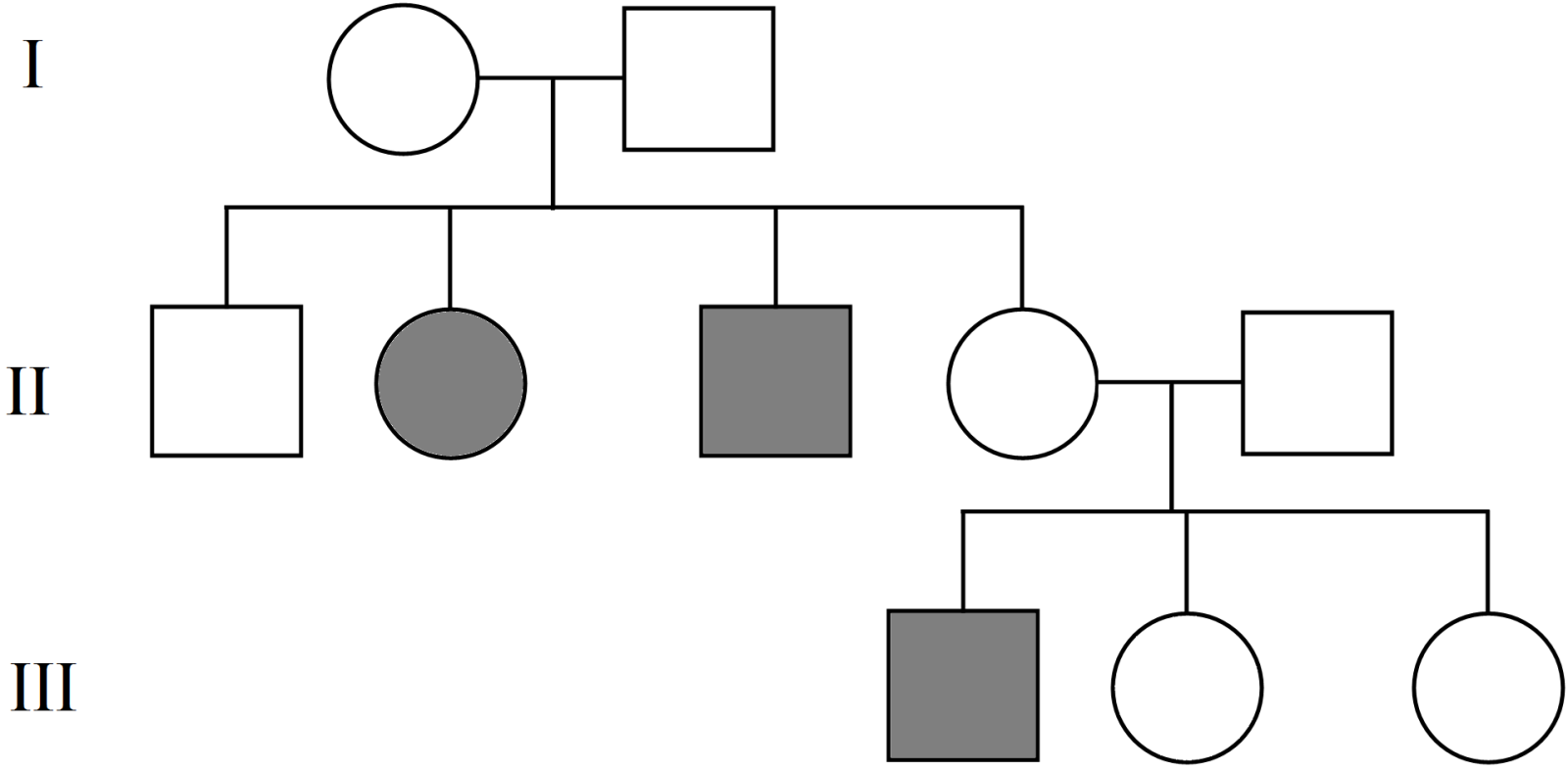
Study the given pedigree chart and answer the questions that follow:
  1. Is the trait recessive or dominant?
  2. Is the trait sex-linked or autosomal?
  3. Give the genotypes of the parents shown in generation I and of their third and fourth child in generation II.
Use of tobacco in any form is harmful to health. Explain .

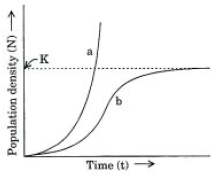
Study the population growth curves shown above.
  1. Identify curves ‘a’ and ‘b’.
  2. Mention the responsible for the curves ‘a’ and ‘b’ respectively.
  3. Give the necessary equation for the curve ‘b’.
How are bacteria made capable to take up recombinant DNA? Name the bacteria used for this process.
How do flowers reward their insect pollinators? Explain.
List three strategies that a bisexual flower can evolve to prevent self – pollination.
Write any four differences between bacteria and cyanobacteria.
What type of organs eye of an Octopus and that of a human called? Give another example from the animal group and one from the plants of such organs. Name and explain the evolutionary process they exhibit.