Question
If you are given a specimen, what are the steps that you would follow to classify it?
Answer


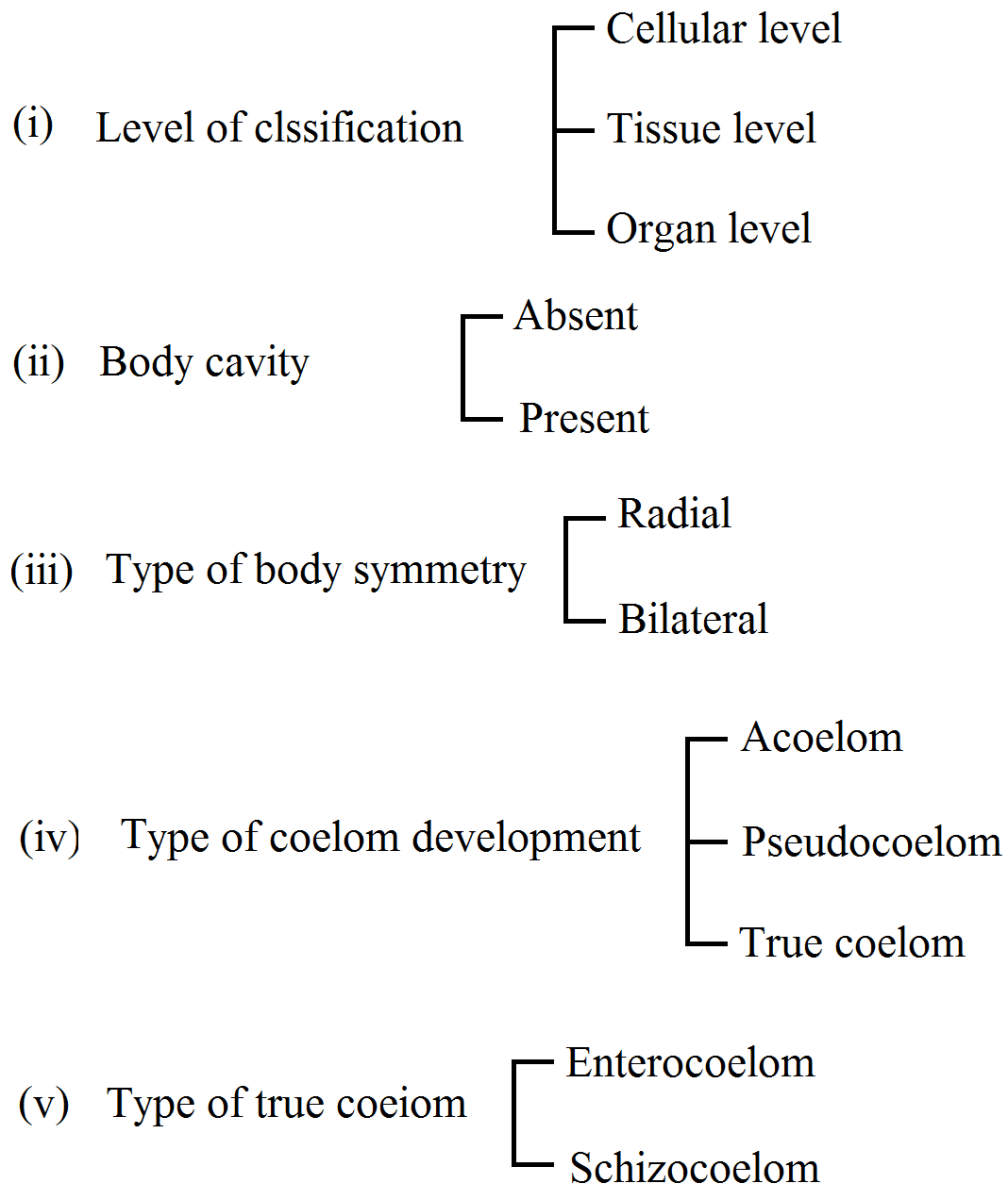
There is a certain common fundamental feature that helps in classification of living organisms. The features that can be used in classification for a given specimen are as follows.

On the basis of above features, we can easily classify a specimen into its respective category.

Need a full question paper?

Generate a complete, print-ready paper with questions like this in minutes — across 16+ boards, with answer keys.
Start Generating Free

Similar questions

The role of ethylene and abscissic acid is both positive and negative. Justify the statement.
Does a group of smaller cells have a higher metabolic rate than a single large cell of the same volume? Explain.
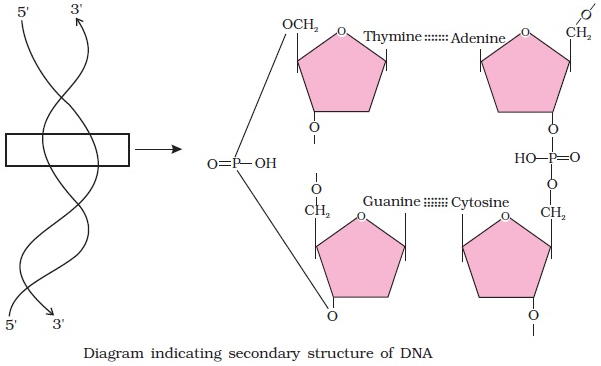
  1. Identify the structure shown in figure.
  2. Write the measurement (distance) of the parts marked (A), (B), (C).
  3. How many H-bonds are there at the place marked as (6)?
  4. Which form of DNA is shown in the figure?
  5. Whether B type DNA has left-handed spiral structure or right- handed?
Match the terms in column I with those in column II:
 
Column I
 
Column II
(a)
Compound epithelium
(i)
Alimentary canal
(b)
Compound eye
(ii)
Cockroach
(c)
Septal nephridia
(iii)
Skin
(d)
Open circulatory system
(iv)
Mosaic vision
(e)
Typhlosole
(v)
Earthworm
(f)
Osteocytes
(vi)
Phallomere
(g)
Genitalia
(vii)
Bone
We know that plants require nutrients. If we supply these in excess, will it be beneficial to the plants? If yes, how/ If no, why?
Which features make mammals as most successful and dominant animals?
Write three specific characteristics of the phylum Annelida and name the four phyla in which the larval stage is found during development.
With the help of a schematic diagram describe the haplo-diplontic life cycle pattern of a plant group.
Describe the main characteristics of Arthropoda phylum and make labelled diagrams of any two animals.
Write short notes on following:
  1. Malpighian tubules.
  2. Excretion in Frogs.
  3. Economic importance of cockroach.
  4. Glandular Epithelium.
  5. Neuron.