Question
Name the enzyme produced by Streptococcus bacterium. Explain its importance in medical sciences.

Answer

Streptokinase is the enzyme produced by Streptococcus:
  • It is used as a clot-buster to remove clots from the blood vessels of patients who have suffered myocardial infarction.

Need a full question paper?

Generate a complete, print-ready paper with questions like this in minutes — across 16+ boards, with answer keys.

Start Generating Free

Similar questions

Name and explain the technique that helps in separation of DNA fragments for recombinant DNA technology experiments. How can these separated DNA fragments be visualised?

OR

  1. Name the technique used for the separation of DNA fragments.
  2. Write the type of matrix used in this technique.
  3. How is the separated DNA visualised and extracted for use in recombinant DNA technology?
State Mendel’s principle of segregation.


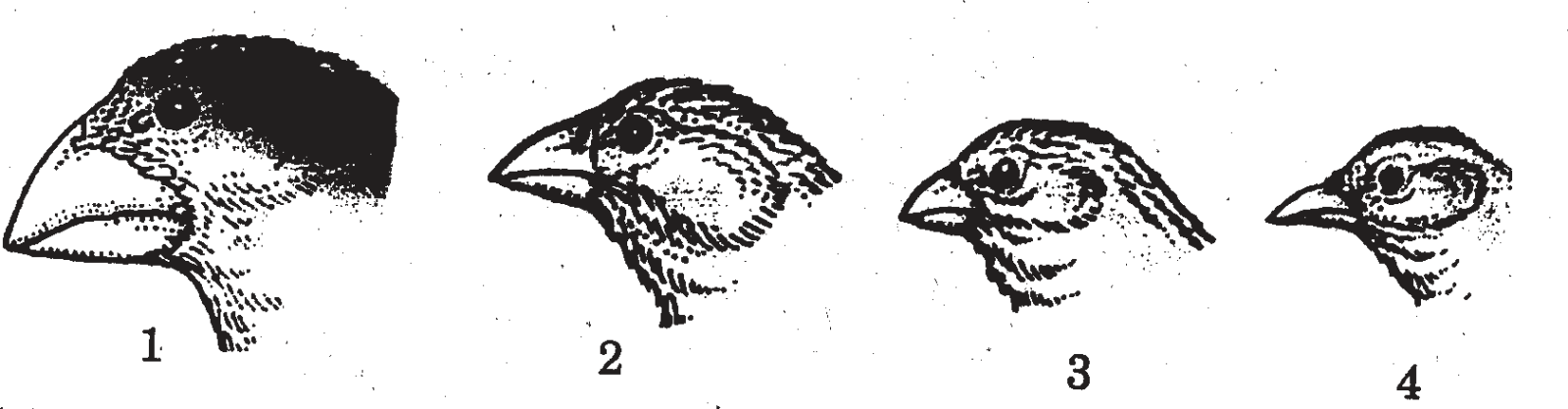
  1. Write your observations on the variations seen in the Darwin’s finches shown above.
  2. How did Darwin explain the existence of different varieties of finches on Galapagos Islands?
To which category of cells do B-cells and T-cells belong? How do they differ from each other with reference to their formation and response to antigens?
'Predation is beneficial in long run'. Comment.
Explain the following two components of Darwin's theory of natural selection.
  1. Variations.
  2. Formation of new species.
  1. Name the causative agent of typhoid in humans.
  2. Name the test administered to confirm the disease.
  3. How does the pathogen gain entry into the human body? Write the diagnostic symptoms and mention the body organ that gets affected in severe cases.
What will happen to an ecosystem if:
All organisms of herbivore level are eliminated.
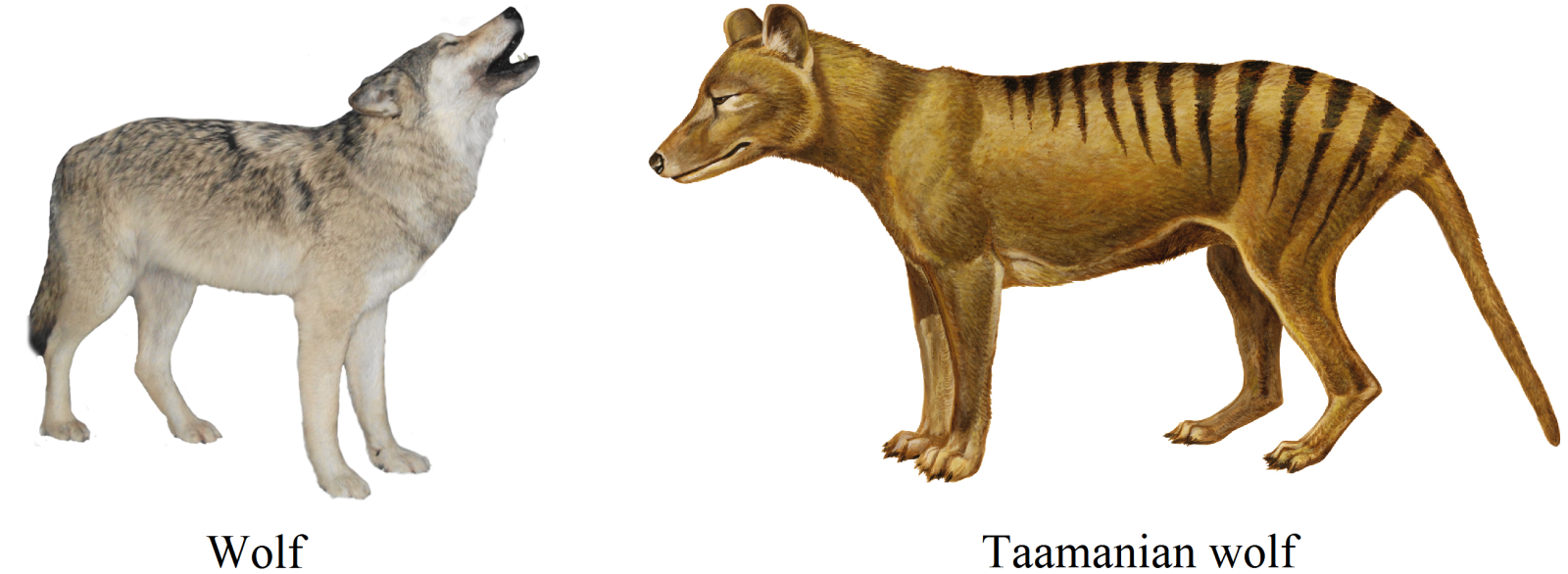
Refer to the figure given below and answer the questions that follow:

  1. Recognize and explain the process by which Tasmanian wolf evolved.
  2. Give one example of an animal that has evolved along with Tasmanian wolf.
  3. Compare and contrast the two animals shown?
Both Down’s syndrome and Turner’s syndrome are examples of chromosomal disorders. Cite the differences between the two.