Question
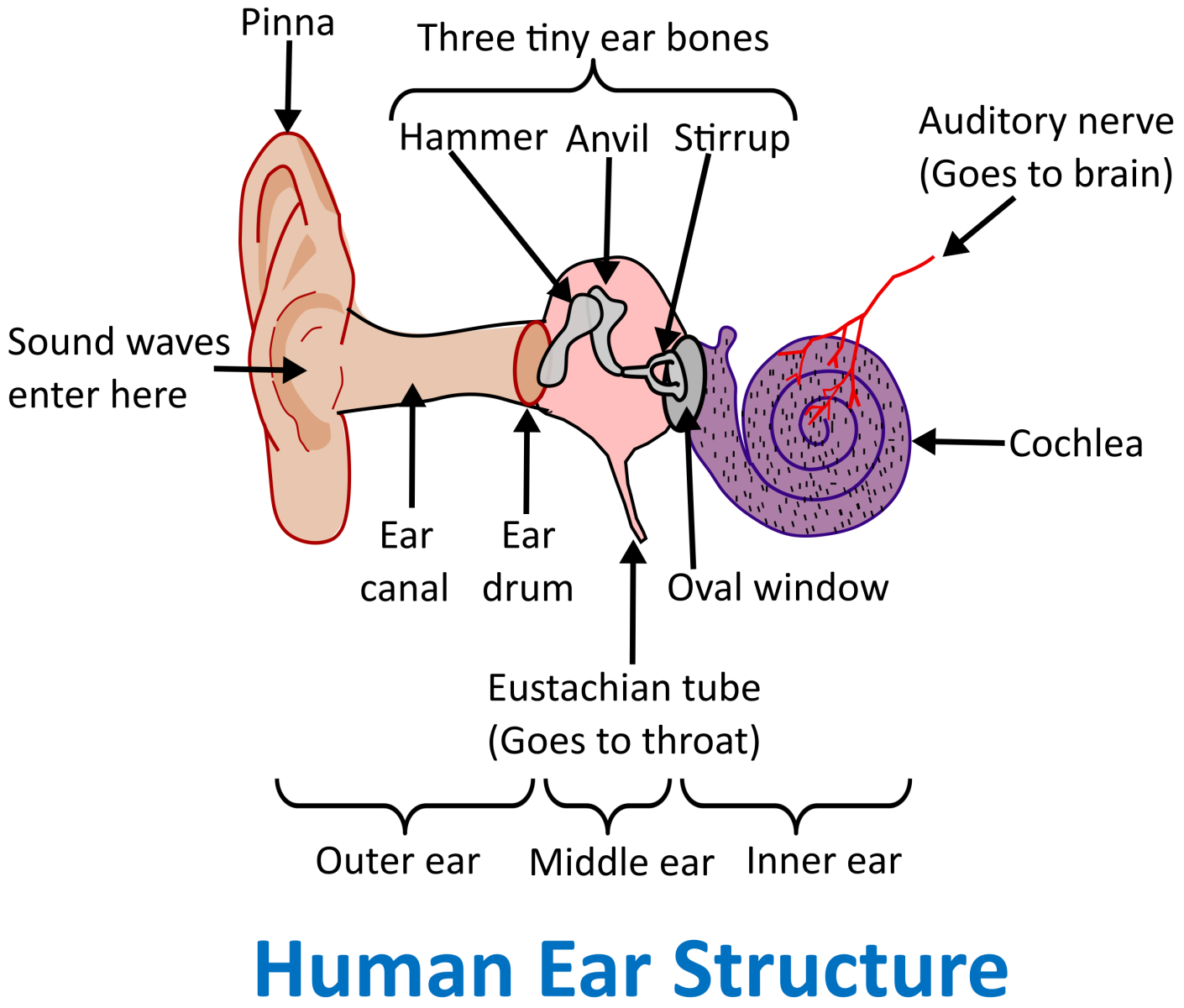
Name the three tiny bones present in the middle part of ear.
Answer


The three tiny bones – the malleus, incus, and stapes – are found in the middle ear. Each bone is named in Latin for its shape.

Need a full question paper?

Generate a complete, print-ready paper with questions like this in minutes — across 16+ boards, with answer keys.
Start Generating Free

Similar questions

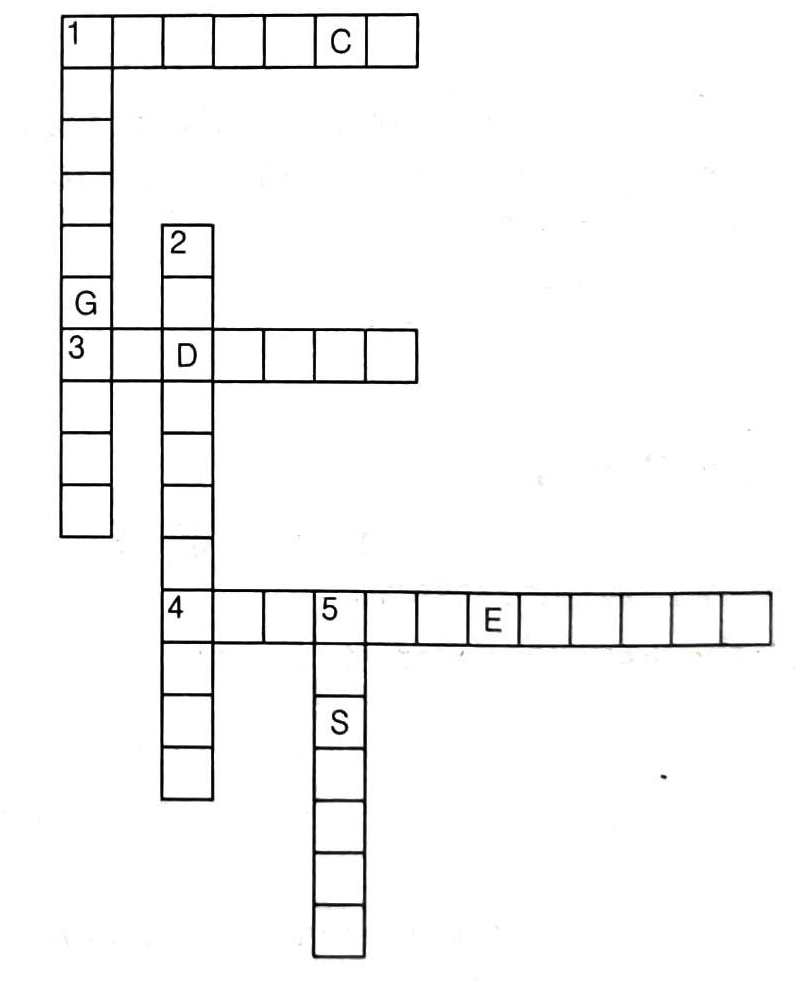
Complete the word puzzle.
Down
$\quad$1. Species on the verge of extinction.
$\quad$2. A book carrying information about endangered species.
$\quad$5. Consequence of deforestation.
Across
$\quad$1. Species which have vanished.
$\quad$3. Species found only in a particular habitat.
$\quad$4. Variety of plants, animals and microorganisms found in an area.
Image
Explain the process of formation of petroleum.
Name the part which vibrates to produce sound in the following:
$a.$ Drums.
$b.$ Sitar.
$c.$ Flute.
Explain why, people are advised to use iodized salt in cooking food.
What is polyester? Name a popular polyester.
In severe cold weather, Mohan's family burnt wood in the room during the night keeping the windows close After some time, they felt suffocation. Mohan Immediately opened the windows and get relief.
(i) What did actually happen ?
(ii) What values are associated with Mohan ?
Define the terms:
$i.$ Harvesting.
$ii.$ Threshing.
$iii.$ Winnowing.

Sonakshi investigated how a pencil cell travels on a ramp when the table is covered with different surfaces (wood, cotton cloth and silk cloth). She noted the time taken by the pencil cell to travel on each surface three times. Her results are mentioned below.

Surface

Time (s)

Time (s)

Time (s)

Wooden

5.01

4.99

5.21

Cotton cloth

7.02

7.25

7.20

Silk cloth

4.20

4.20

4.25

Q.1. Name the two factors on which the magnitude of a frictional force depends.
Q.2. From the chart given above, state which travelled fastest and find the average time it took.
Q.3. Explain with one example how friction can be both a positive and a negative part in our everyday life?

Explain the process which enables us to perceive motion in a cartoon film.
Consider the following elements: Sodium, Sulphur, Carbon, Magnesium Which of these elements will form?
$a.$ Acidic oxides.
$b.$ Basic oxides.