Question
Sketch the graphs to show directional and stabilizing selection.
Get the step-by-step solution for this question inside the Vidyadip app.
Get the answer in the appGenerate a complete, print-ready paper with questions like this in minutes — across 16+ boards, with answer keys.
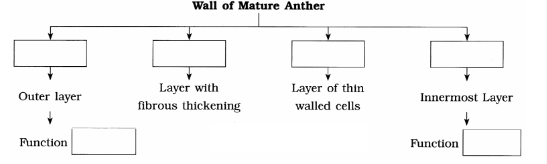
| Name of polluting gas | Source | Effect |
| —————— | ————– | Combining with haemoglobin and causing respiratory problems |
| $NO_2$ | Chemical industries | —————– |
| $CO_2$ | ————— | —————— |
| ——————- | Biogas plants | Greenhouse effect |
| Plasmodium species | Incubation period | Pattern of fever |
| ———— | ————– | High fever after 48 hours. |
| ————– | 28 days | ————– |
| ————– | 17 days | ————- |
| ———— | ————- | High fever at irregular intervals between 22 to 48 hours. |
| Hypohydrophily | Epihydrophily |
| 1. Porogamy | ————– |
| 2. ————– | Entry of pollen tube in Ovule piercing integuments |
| 3. ————— | Entry of pollen tube in Ovule through Chalaza |
Column A | Column B |
(1) Lac Operon | ————– |
(2) Central dogma in retroviruses | ————– |
(3) Coined the term Genome | ————– |
(4) Coined the term Genomics | ————– |
(5) Enzymatic synthesis of RNA | ————– |
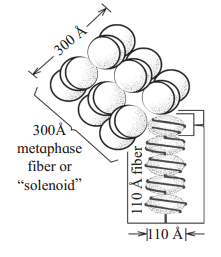
(6) DNA is associated with histones and non-histones | ————– |
| Crop | Variety | Insect pest |
| Brassica | Pusa Gaurav | ————- |
| ————- | Pusa sem 2 m Pusa sem 3 | Jassids, aphids, fruit borer |
| Okra | ————– | Shoot and fruit borer |
| Pattern of population growth | Name of the countries |
| (1) Rapid growth | ————– |
| (2) Slow growth | ————— |
| (3) Zero growth | ————– |
| (4) Negative growth | ————– |