Question
State two differences between:
Rusting and burning.

Answer

Difference between rusting and burning
Rusting Burning
  1. Rusting is the process in which iron slowly reacts with oxygen in the air and produces a flaky substance called rust.
  2. Air and moisture are necessary for rusting.
  1. Burning is fast oxidation process in which large amount of energy is produced.
  2. Only air is necessary for burning.

Need a full question paper?

Generate a complete, print-ready paper with questions like this in minutes — across 16+ boards, with answer keys.

Start Generating Free

Similar questions

On what principle are the following methods of separation based? Give one example of a mixture for each of the methods mentioned in which they are used
Fractional distillation :
How will you prove by an experiment that solids occupy space ?
State two uses for each of the following acids :
a. Hydrochloric acid
b. Nitric acid
c. Sulphuric acid
Solve this crossword by using the clues that follow-
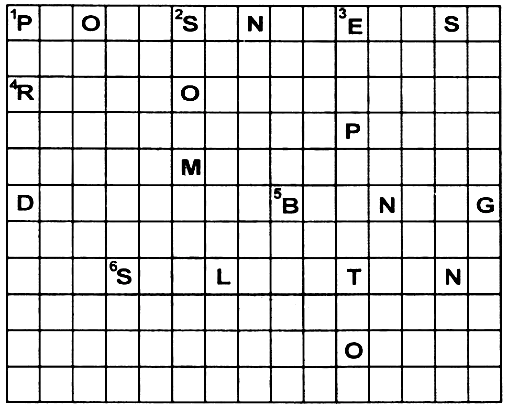
Across
1. Energy in the form of sunlight is absorbed by the green plants in this process.
4. The reddish-brown substance formed over iron in the presence of oxygen and moisture.
5. This change is permanent and irreversible.
6. The process in which a solid directly changes into gaseous state.
Down
1 . It is the change that takes place in case of swinging pendulum of a clock. –
2. Occurrence of this is a non-periodic change as well as a natural change.
3. It is a physical change.
What is the difference between a strong base and a weak base ? Explain with examples.
On what principle are the following methods of separation based? Give one example of a mixture for each of the methods mentioned in which they are used
Filtration
Rainwater harvesting has become important these days.
On what principle are the following methods of separation based? Give one example of a mixture for each of the methods mentioned in which they are used
By using a separating funnel
Mention the contribution of the following scientists :
  1. Antoine Lavoisier
  2. Robert Boyle
  3. Joseph Priestley
  4. Sir W. Ramsay
What are the advantages of chromatography?