Question
The following table shows certain diseases, their causative organisms and symptoms. Fill the gaps.
  Name of the Disease Causative organism Symptoms
i. Ascariasis Ascaris ________
ii. ________ Trichophyton Appearance of dry, scaly lesions on various parts of the body.
iii. Typhoid ________ High fever, weakness, headache, stomach pain, constipation.
iv. Pneumonia Streptococcus pneumoniae ________
v. ________ Rhino viruses Nasal congestion and discharge, sorethroat, cough, headache.
vi. Filariasis ________ Inflammation in lower limbs.

Answer

  Name of the Disease Causative organism Symptoms
i. Ascariasis Ascaris Internal bleeding, muscular pain, anemia, fever, blockage of intestinal passage.
ii. Ringworm Trichophyton Appearance of dry, scaly lesions on various parts of the body.
iii. Typhoid Salmonella typhi High fever, weakness, headache, stomach pain, constipation.
iv. Pneumonia Streptococcus pneumoniae Fluid in lungs, fever, difficulty in breathing.
v. Common cold Rhino viruses Nasal congestion and discharge, sorethroat, cough, headache.
vi. Filariasis W. bancrofti and W. malayi Inflammation in lower limbs.

Need a full question paper?

Generate a complete, print-ready paper with questions like this in minutes — across 16+ boards, with answer keys.

Start Generating Free

Similar questions

Define decomposition and describe the processes and products of decomposition.
Ramesh visited a National Park on a school trip where he saw tiger eating a deer. He got disturbed and asked his teacher why is he doing so. His teacher replied that it is natural population controlling phenomenon.
  1. Which type of interspecific interaction is found between tiger and deer?
  2. State the role of predators.
  3. What other type of population interactions are seen in nature?
  4. State the values of Ramesh towards animals.
What is Implantation? Describe the process of implantation with diagram.
Draw a labelled sketch of L.S. of pistil showing the progamous type of fertilization.
A group of scientists is working on creating transgenic cows to produce milk with medicinal properties. But there are adverse side effects seen on the cows due to this procedure. Their lifespan shortened; they became prone to diseases and died very early.
  1. What do you mean by transgenic animals?
  2. Should the scientists continue with the production of transgenic cows? Give reason.
  3. Is there any law to regulate such acts?
  4. What values did scientists lack?
Given below is a table showing the genotypes and the phenotypes of blood groups in the human population.
Genotype
Phenotype
W
Y
$I^BI^O$
Z
$I^AI^B$
O
X
O
  1. Identify the genotype Wand X, and the phenotype Y and Z.
  2. Name the pattern of inheritance exhibited by the phenotypes Y and Z in the table.
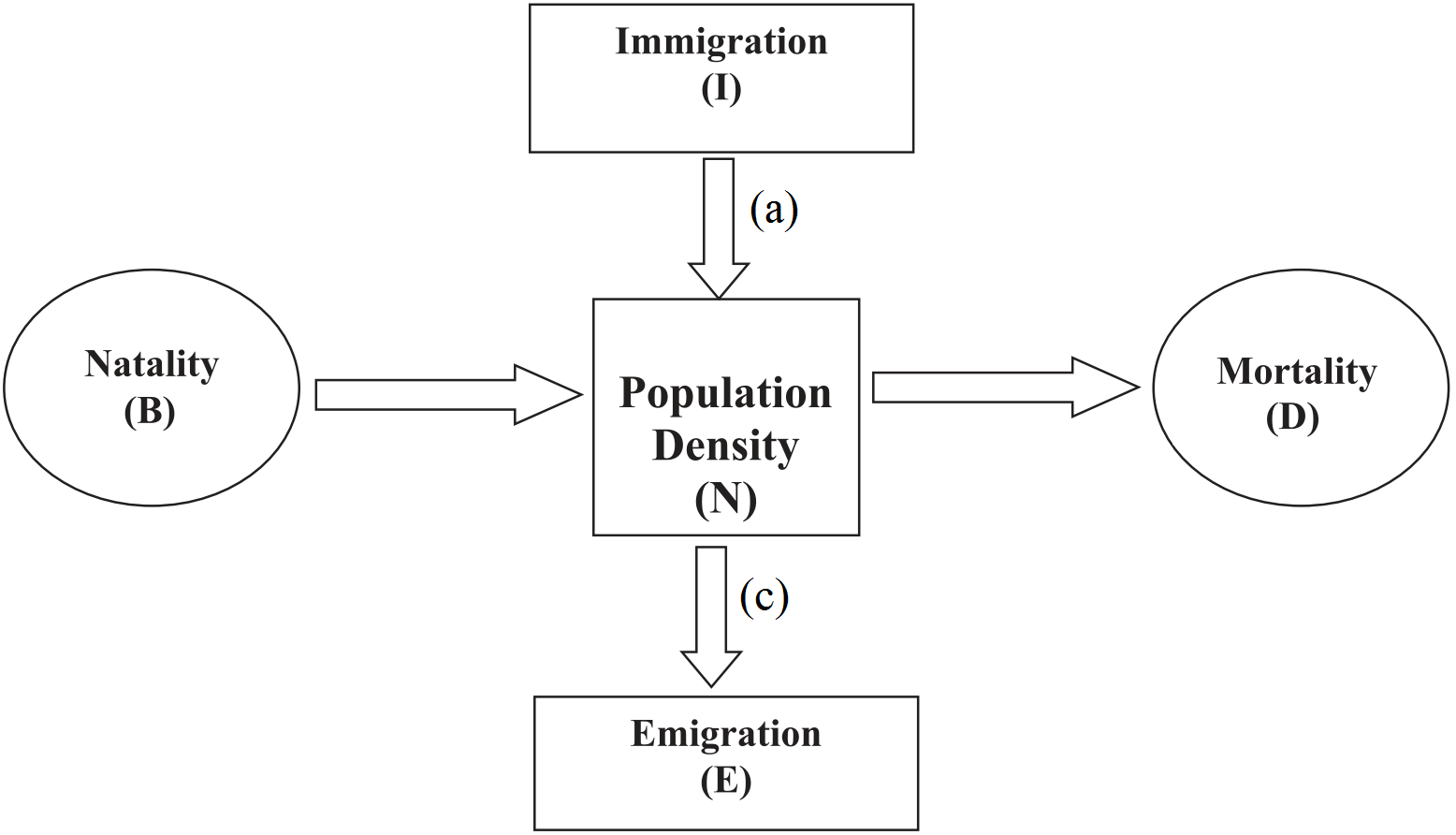
  1. Which of the above represents the increase or decrease of population?
  2. If N is the population density at time t, then what would be its density at time (t + 1)? Give the formula.
  3. In a barn there were 30 rats. 5 more rats enter the barn and 6 out of the total rats were eaten by the cats. If 8 rats were born during the time period under consideration and 7 rats left the barn, find out the resultant population at time (t + 1).
  4. If a new habitat is just being colonized, out of the four factors affecting the population growth, which factor contributes the most?
Discuss the different barrier of innate immunity.
List the components of the embryo sac and mention their fate on fertilisation.
OR
Mention the fate of all the components of the embryo sac after fertilisation.
Thalassemia and haemophilia are both Mendelian disorders related to blood. Write the symptoms of the diseases. Explain with the help of crosses the difference in the inheritance pattern of the two diseases.
OR
Why are thalassemia and hemophilia categorised as Mendelian disorders? Write the symptoms of these diseases. Explain their pattern of inheritance in humans. Write the genotypes of the normal parents producing a haemophilic son.