MCQ
Two taxonomic species are distinguished from each other by:
- ATheir failure to interbreed.
- BTheir ability to exchange gene freely.
- CTheir similarity in morphological characters.
- DDiscontinuity in a set of correlated characters.
Explanation:
Two taxonomic species are distinguished from each other by their failure to interbreed.
Generate a complete, print-ready paper with questions like this in minutes — across 16+ boards, with answer keys.
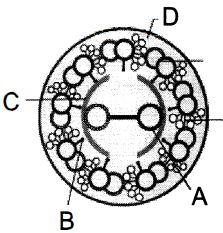
$I$. They reproduce asexually by non-motile spores and sexually by non-motile gametes
$II$. In this class, sexual reproduction is oogamous and accompanied by complex post-fertilisation developments
$III$. The common members are Polysiphonia, Porphyra, Gracilaria and Gelidium
The above characteristics are belongs to which class of algae
|
Column $-I$ |
Column $-II$ |
|
$(a)$ Ureotelic |
$(I)$ Bony fishes, aquatic amphibians and aquatic insects |
|
$(b)$ Ammonotelic |
$(II)$ Mammals, marine fishes |
|
$(c)$ Uricotelic |
$(III)$ Reptiles, birds, land snails and insects |
| Column$-I$ | Column$-II$ |
| $(a). Br$ | $(i)$ Corolla |
| $(b). K$ | $(ii)$ Perianth |
| $(c). C$ | $(iii)$ Calyx |
| $(d). P$ | $(iv)$ Bracteate |