Question
What are the fundamental difference between In-situ and Ex-situ conservation.
| S.No. | In-situ Conservation | Ex-situ Comervation |
| 1 | It means onsite conservation. | It means offsite conservation. |
| 2 | It is the conservation of wild species in their natural habitates in order to maintain and recover endangered species. | It is conservation of species in the man-made habitat hut imitate the natural habitats of species. |
| 3 | It is more dynamic as it involves natural habitats of organisms. | It is less dynamic as it involves man-made hubitats. |
| 4 | It provides protection to endangered species against predators. | It provides protection against all hostile factors. |
| 5 | It is suitable for animals that are found in abundance | It is suitable for animals that are not found in abundance. |
| 6 | It is not suitable in the event of a rapid decline in the number of a species due to environmental genetic or any other factor. | It is an ideal option in case of rapid decline in the number of a species due to environmental or any other reason. |
| 7 | Wildlife and livestock conservation involve in in-situ conservation. | It can be used to conserve crops and their wild relatives. |
| 8 | Examples include national parks, wildlife sanctuaries, biospheres reserve etc. | Examples include zoo, aquarium and botanical garden. |
| 9 | It involves designation, management and monitoring of the target species in their natural habitat. | It involves sampling, storage and transfer of target species from their natural habitats to man-made habitats. |
| 10 | It helps maintain the ongoing process of evolution and adaptation within the natural environment of the species. | It separates the animals from the ongoing process of evolution and adaptation within their natural environment. |
Generate a complete, print-ready paper with questions like this in minutes — across 16+ boards, with answer keys.
OR
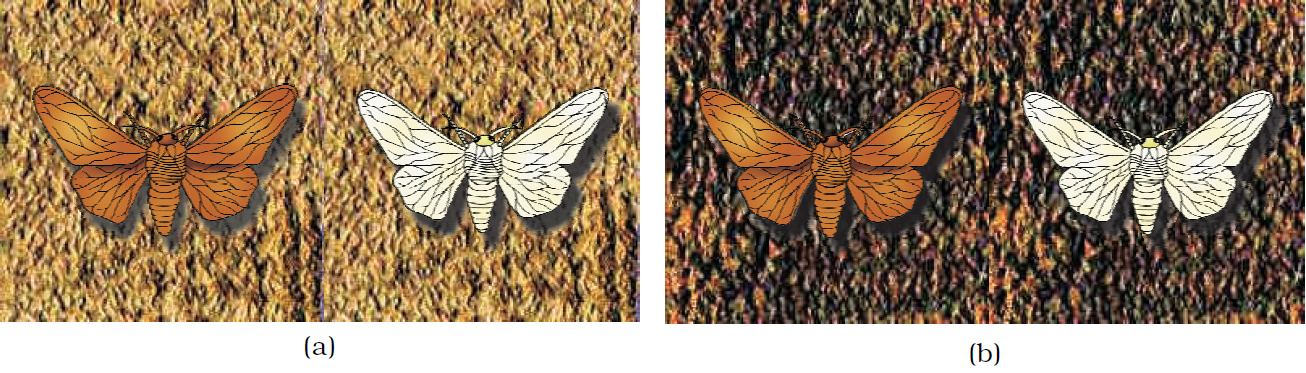
How can evolution by natural selection be explained by melanised moths before and after industrialisation in England?OR
How did industrialisation play a role in Natural Selection of light and dark-coloured moth in England?OR