Question
What is the need for database normalisation?

Answer

Database Normalisation refers to the process of organising and maintaining the data into the database in an efficient manner. The basic rationales behind normalising the database are:
  1. To eliminate the data redundancy i.e. to avoid/ eliminate the storage of the same data at more than one places.
  2. To ensure data dependency i.e. to store the related data in the database.
Database Normalisation is a very important process as it makes the database free from storage of irrelevant data and removes the duplicate data items from the database. As a result, normalisation ensures more free space available in the database. In addition, normalisation also enhances the reliability and consistency of the database by protecting the database against the data anomalies such as logical and structural problems.

Need a full question paper?

Generate a complete, print-ready paper with questions like this in minutes — across 16+ boards, with answer keys.
Start Generating Free

Similar questions

Write any three characteristics of Single Entry System.
Prepare a ‘Total Creditors Account with imaginary figures.
Why are duplicate tuples not allowed in a relation?
How are computers useful in processing the accounting data?
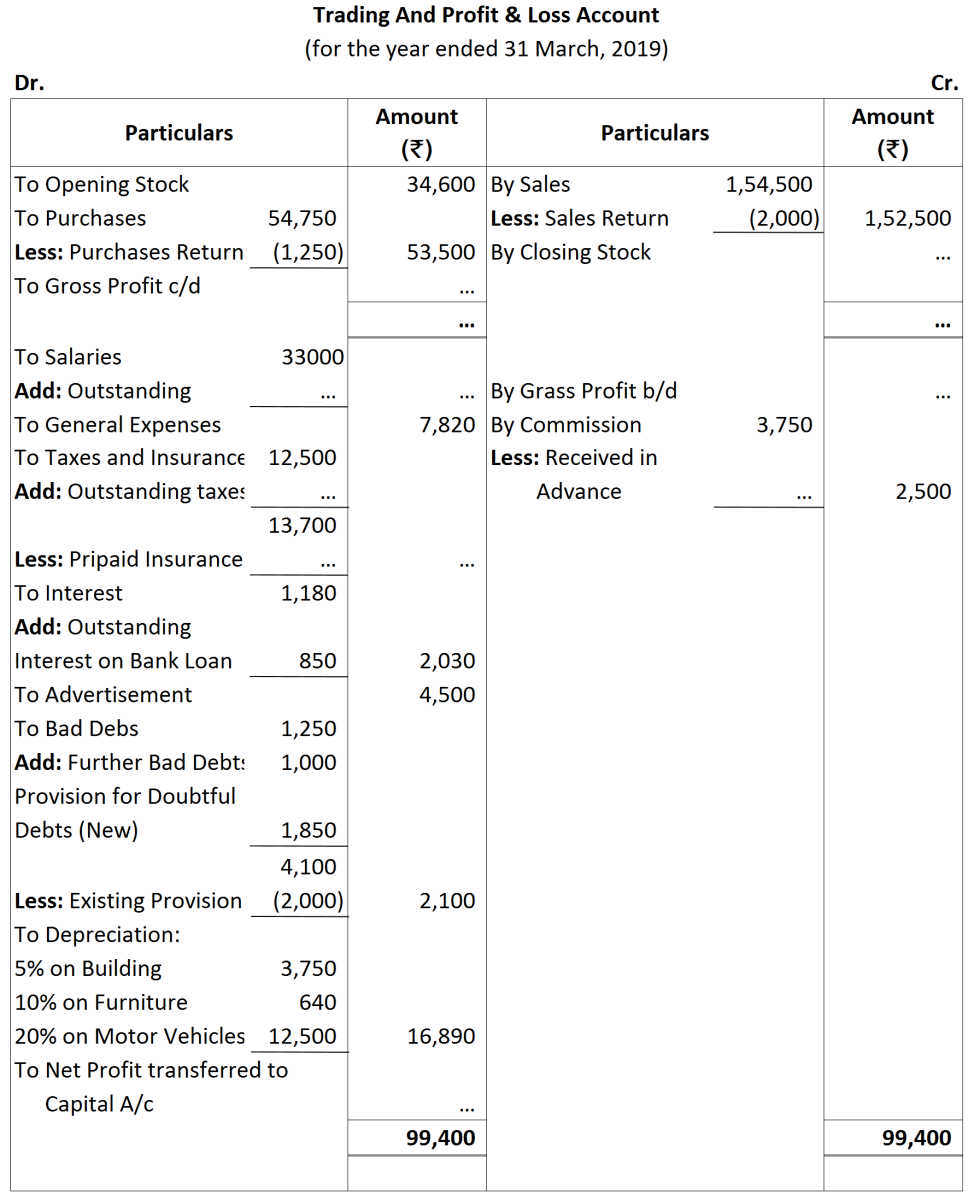
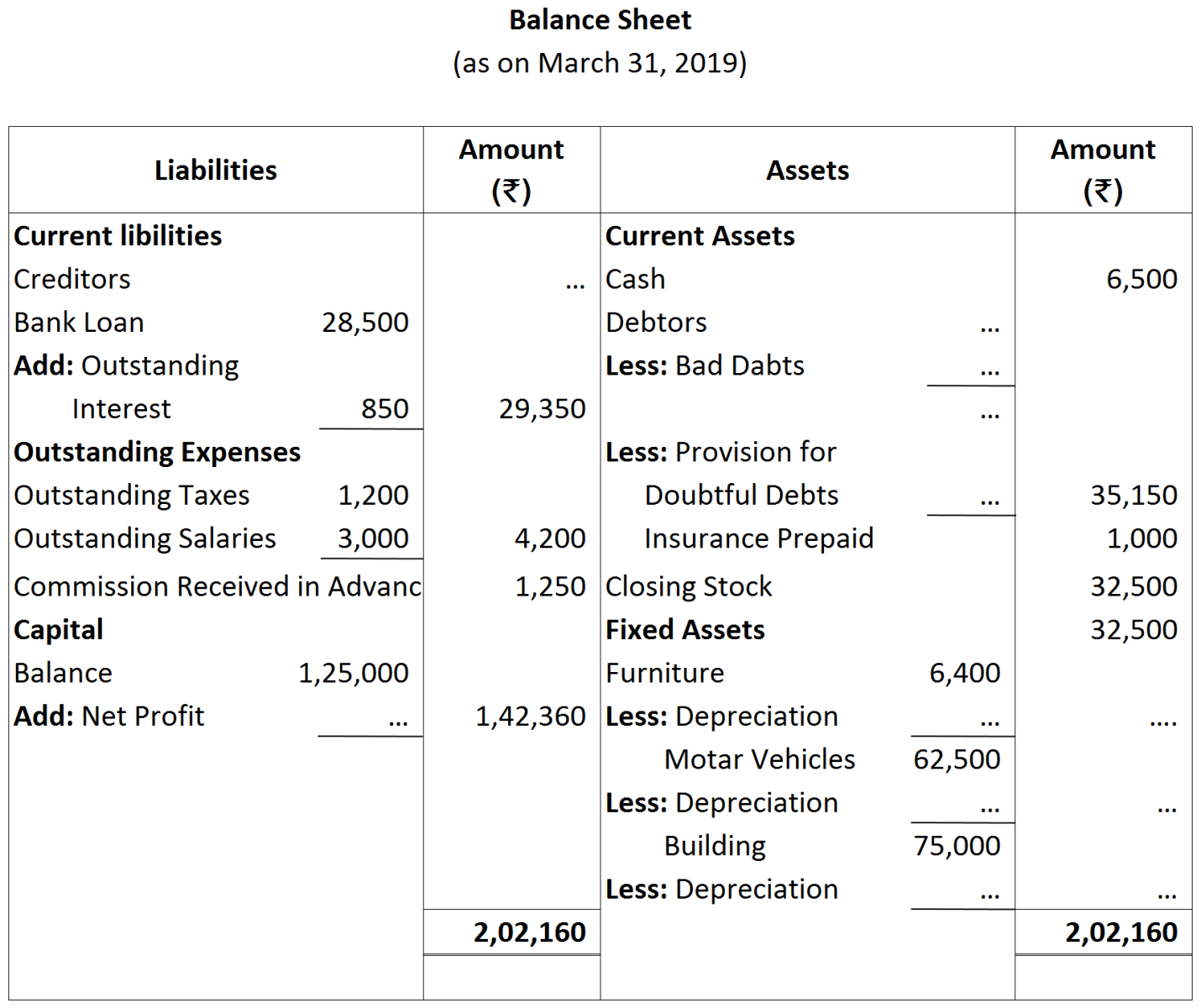
In the following Trading and Profit and Loss Account for the ended 31st March, 2019 and Balance Sheet as on that date, determine the missing information:

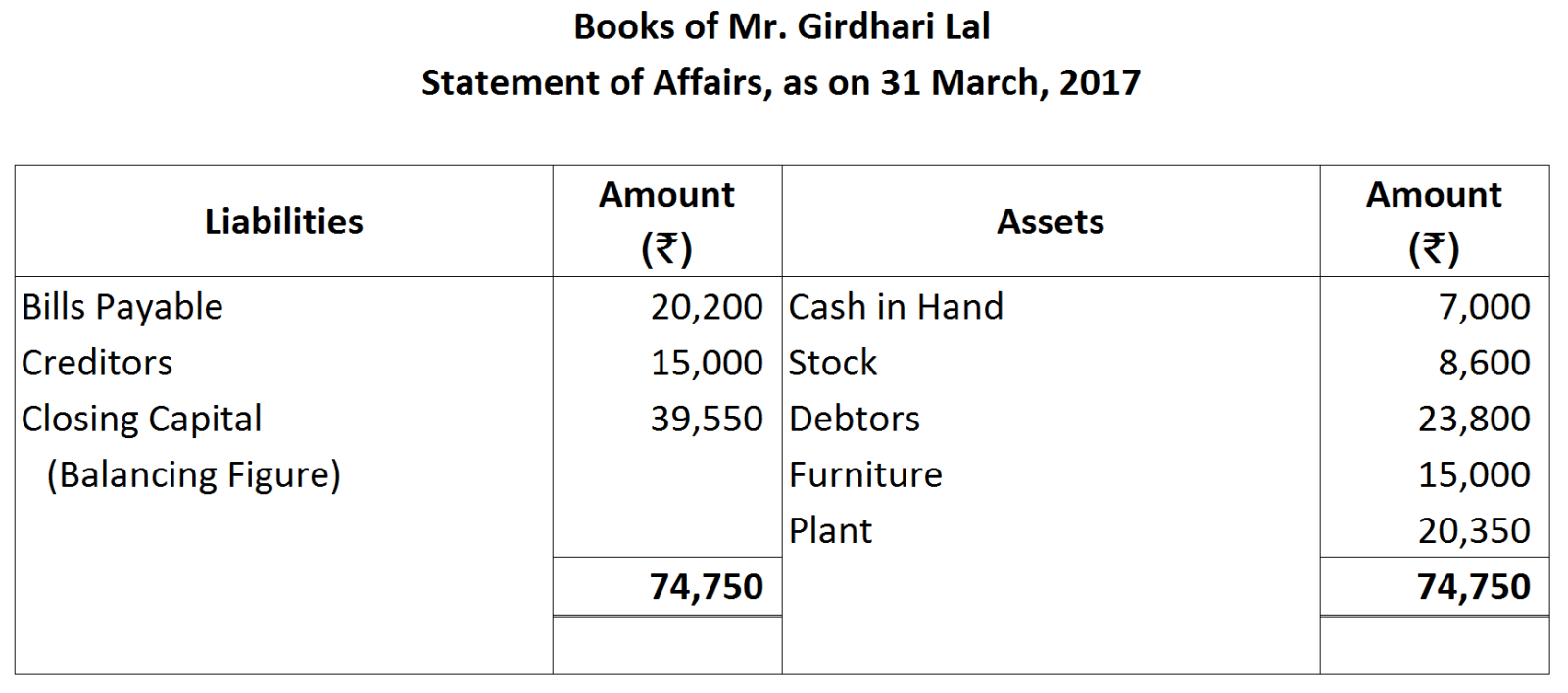
Mr. Girdhari Lal does not keep full double entry records. His balance as on April 01, 2016 is as.

His position at the end of the year is:
 
Cash in hand 7000
Stock 8,600
Debtors 23,800
Furniture 15,000
Plant 20,350
Bills payable 20,200
Creditors 15,000
He withdrew 500 per month out of which to spent 1,500 for business purpose. Prepare the statement of profit or loss.
From the following information, determine Gross Profit for the year ended $31^{st}$ March, $2019$:
[Hint: Packing Expenses on Sales' are indirect expenses, therefore, they are not considered whike computing Cost of Goods Sold.]
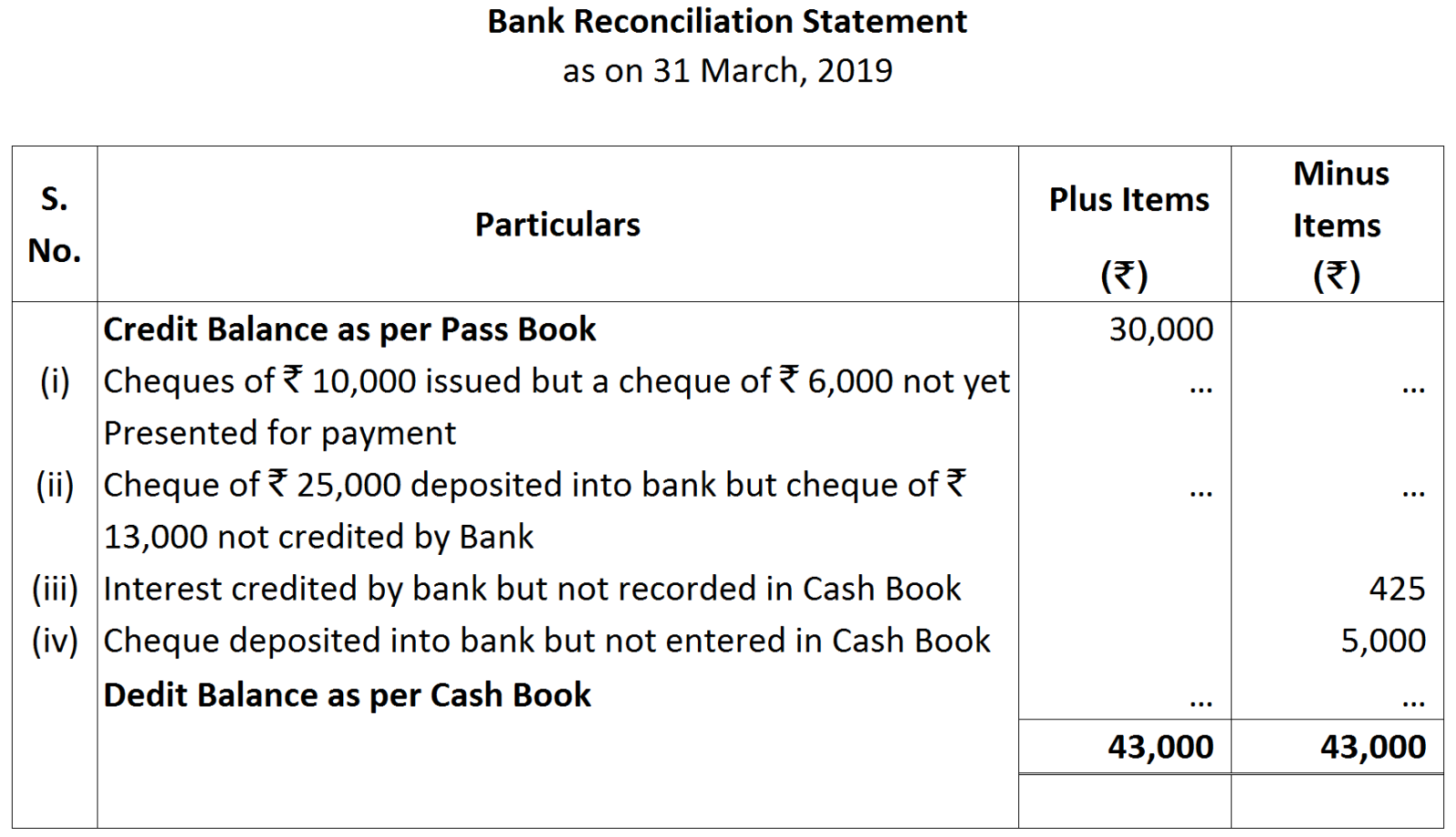
In the following Bank Reconciliation Statement. determine the missing amounts:
Record the following transactions in Double Columns Cash Book and balance the book on 31st March, 2019:
2019
 
March 1
Cash in Hand
12,750
 
Cash at Bank
72,400
March 4
Received from Asha cash ₹ 1,200 and a cheque for ₹ 3,200, allowed discount ₹ 400
 
March 7
Paid salary to staff by cheque
25,600
March 9
Withdrawn cash from bank for office use
21,900
March 12
Interest paid by bank on bank balance
1,200
March 16
Purchased furniture in cash
16,500
March 21
Paid Mohan & Co. by cheque, discount received ₹ 100
10,900
March 24
Proprietor withdrew from office cash for his personal use
11,600
March 29
Sold goods to Manoj for cash
14,800
March 31
Deposited office cash into bank
21,200
How will you record the following transactions in the books Kapadia?
  1. A bill received from Dalpat for ₹ 1,000 has to be renewed, Dalpat agrees to pay ₹ 20 as interest.
  2. Swamy's bill for ₹ 800 endorsed in favour of Ghosh dishonoured, Ghosh pays ₹ 10 as noting charges. Swamy pays ₹ 300 immediately and agrees to accept a new bill for 3 months for the balance together with interest at 6% p.a. Ghosh's Account is settled by cheque.