Vegetative propagation is a type of asexual reproduction. It is shown by almost every part of the plant body such as root, stem and leaves. Methods of vegetative propagation can be natural or artificial.
Natural Methods of Vegetative Propagation:
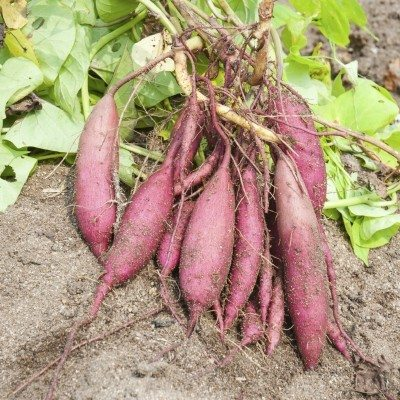
- From Root: Tuberous roots of sweet potato and asparagus become swollen due to storage of food. This forms the new plants in the next season.
- From Stem: Underground and subaerial stems are modified for vegetative propagation. Examples:
Tuber of potato is an underground stem which stores food. It has buds in the depression called eye which can give rise to a new plant.
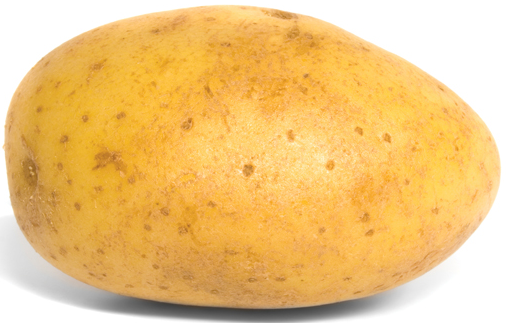
- By leaves: leaves of bryophyllum bear adventitious buds in the Notches in the margin of the leaf. When leaf follows the ground beef buds grow to form the independent plant.
Artificial Methods of Vegetative Propagation:
Artificial vegetative propagation are man – made method of vegetative propagation developed by plant growers horticulturist for commercial production of crops. These include methods of cutting, layering, grafting and micropagationby plant tissue culture.
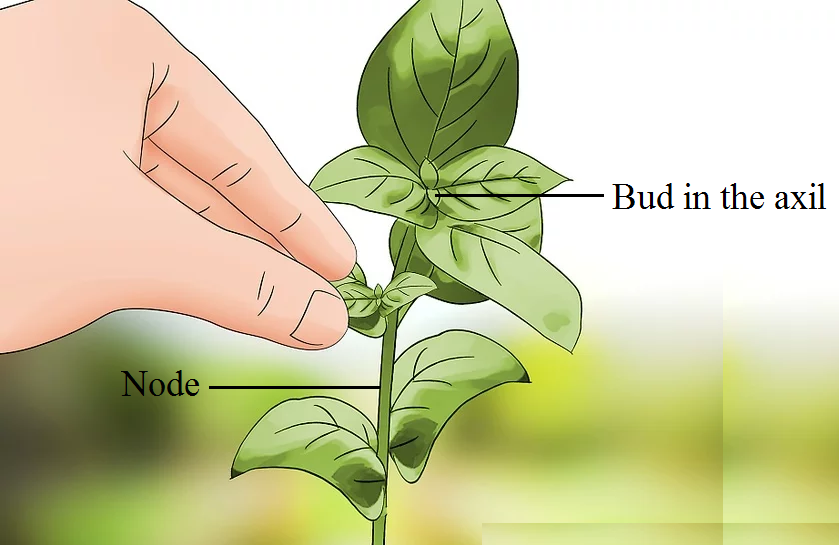
Cutting: Cutting is the method of propagation in which part from parent plant is cut and grown into a new plant. The various cutting include stem cutting, leaf cutting, etc. This method is often used in home gardening.
For example: Leaf cuttings of Begoniaare and Rose used to produce entire new plants.
 Grafting:
 Grafting is the common method of vegetative propagation. In this method two parts of plants-stock and scion are joined in such a way that they grow as one. It is performed between two closely relate dicotyledonous plants having vascular cambia.
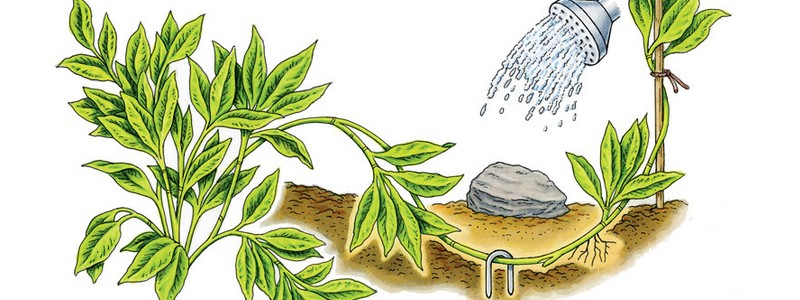
Layering: Layering is a type of artificial vegetative propagation. In this method, roots are artificially induced on the stem branches before they are detached from the parent plant for propagation.
For example: Mound layering is performed in jasmine.