Social Entrepreneurship: Social entrepreneurship is an attempt to draw upon business techniques to find solutions to social problems. In social entrepreneurship, the focus is not only on helping the poor and needy, but teaching them some competencies, some skills, using which, they can later improve their lives and economic conditions on a sustainable basis.
J Gregory Dees defines social entrepreneurship as, “Social entrepreneurship is which combines the passion of a social mission with an image of business like discipline, innovation and determination”.
Social Entrepreneurs: Social entrepreneurs are ambitious and persistent individuals, tackling major social issues, and offering new ideas for wide scale change. Rather than leaving societal needs to the government, social entrepreneurs find what is not working and solve the problem by changing the system and spreading the solution. They are visionaries and also realists and are ultimately concerned with the practical implementation of their vision.
Martin and Osberg define social entrepreneur as, “The social entrepreneur aims for value in the form of large-scale transformational benefit that accrues either to a significant segment of society or to society at large”.
Need for Social Entrepreneurs: In the current economic crisis, financial pressures are further worsening the existing social problems of poverty and unemployment. According to J Gregory Dees, “Social entrepreneurship is necessary to mitigate the financial repercussions among vulnerable".
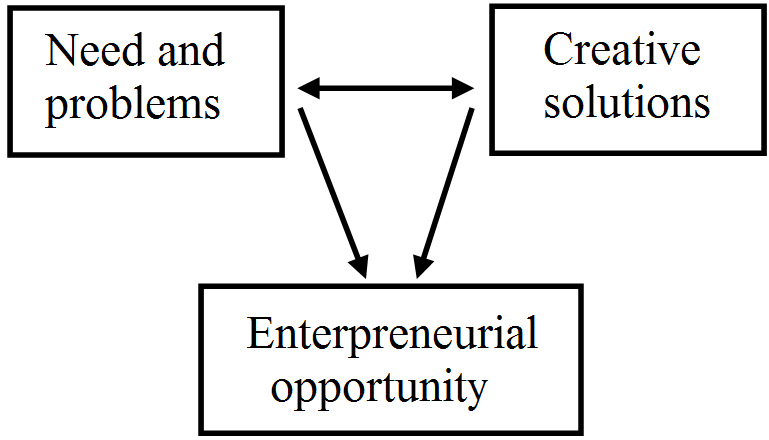
With pay cuts and job losses happening all over the world, the needs of the hour are ideas, innovations, creative solutions and fresh perspectives that can cater to the changing market demands, emerging economies and a new world economic order and social entrepreneurs fulfil these needs.
So, in the light of the above discussion, it can be concluded that social entrepreneurs are needed in a society because of the below mentioned reasons:
- They lead to employment development: The first major advantage of a social entrepreneur is that he/ she creates jobs and employment opportunities in a society.
- They develop new goods and services: Social entrepreneurs develop an environment conducive for the growth of innovation, thereby, leading to the development of new goods and services. e.g. Brazilian social entrepreneur Veronica Khosa developed a new home based care model for AIDS patients which later changed the government's health policy.
- They provide social capital: Social entrepreneurs provide the much needed capital for the development of society by channelising the savings of the unorganized section of society.
- They promote equity: Social entrepreneurs promote a equitable society by addressing social issues and trying to achieve ongoing sustainable impact through their social mission.