1. Diabetes is a metabolism abnormality that affects the way your body uses blood sugar (glucose), your main source of energy. To understand diabetes, you have to start from the beginning with food. Your body converts a portion of the food you eat and digest into glucose. Glucose is then absorbed into your bloodstream, where it can enter the individual cells of tissue throughout your body to be used as energy. Before your cells will let glucose in, however, they need the help of insulin.
2. Insulin is a hormone produced by your pancreas - a gland located just behind your stomach. Normally, insulin acts as a master key, unlocking the doors of your cells and allowing glucose inside. To simply maintain this process, such as at night when you're asleep, the pancreas releases a low level of insulin on a constant basis. When necessary, such as after a meal, your pancreas increases insulin supply to meet demand.
3. After you eat a meal or a snack, your pancreas releases more insulin to make sure the extra glucose in your bloodstream can enter your cells. If you have more glucose than you need, your body can remove the excess from your blood and store it in your liver and muscles or convert it to fat. Then, when you run low on fuel, your body can release this stored energy back into your bloodstream, where insulin is waiting to usher it into your cells.
4. If you have diabetes, this whole process goes awry. Instead of entering cells throughout your body, excess glucose builds up in your bloodstream and some of it may eventually be excreted in your urine. This can happen when your pancreas doesn't produce enough insulin (Type 1 diabetes), when your cells have become resistant to the effects of insulin (Type 2 diabetes) or, more commonly, when both of these problems occur.
(i) Give one conversion function of our body, based on information in paragraph 1.
(ii) Select the appropriate option to fill in the blanks based on paragraph 1. When ________ is ingested, it enters our bloodstream and goes to all of the tissue cells in our body where it can be used as ________.
(1) Glucose (2) Insulin (3) Fat (4) Energy (5) Metabolism
a. 2,3
b. 1,4
c. 4,5
d. 5,3
(iii) Complete the following analogy correctly with a word/ phrase from paragraph 1. Water: Absorbed in Soil :: ________ : Absorbed in bloodstream,
(Clue: Just like water is absorbed in Soil, similarly ________ is absorbed in bloodstream.)
a. Metabolism
b. Glucose
c. Insulin
d. Energy
(iv) Select the correct option to complete the following sentence: (Paragraph 1)..
Diabetes affects how our body uses our primary source of energy i.e blood sugar due to ________.
a. Lack of insulin and glucose
b. Process of glucose transmission
c. Abnormalities in our metabolism
d. Presence of high-level fats
From Paragraph 2, choose the option that best describes the organ that secretes insulin.
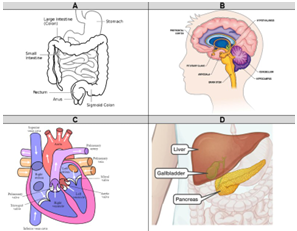
(vi) Fill in the blank by selecting the correct option.
By opening the ________ doors and letting glucose in, insulin functions as a master key.
a. cell
b. pancreas
c. blood stream
d. vein
(vii) Substitute the word 'excess' with ONE WORD similar in meaning, in the following, sentence from paragraph 3.
If you have more glucose than you need, your body can remove the
excess from your blood and store it in your liver and muscles or convert it to fat.
(viii) List any 2 organs of our body mentioned in Paragraph 3.