What was Estates General?
- APost of army general.
- ✓A political body.
- CHead of all landed property.
- DAdvisor of the king.
Answer: B.
View full solution →850 questions across 18 question groups — pick any mix to generate a Social Studies paper with step-by-step answer keys.
MCQ (1 Mark)
226 Q→02True Or False.[1 Marks Each]
3 Q→03Fill In The Blanks [1 Mark]
3 Q→04Question(1 Marks)
66 Q→05SHORT ANSWER QUESTIONS(3 Mark)
67 Q→06LONG ANS. QUESTIONS(5 Mark)
37 Q→07Assertion and Reason (1 Mark)
11 Q→08MAP SKILL BASED QUESTION(2M)
2 Q→09MAP SKILL BASED QUESTION(3 Marks)
2 Q→10CASE BASED QUESTIONS(4 Mark)
10 Q→11MCQ [1M - HISTORY]
226 Q→12Assertion and Reason [1M - HISTORY]
11 Q→13True Or False. [1M - HISTORY]
3 Q→14Fill In The Blanks [1M - HISTORY]
3 Q→15VSQ [2M - HISTORY]
66 Q→16SHORT ANSWER QUESTIONS [3M - HISTORY]
67 Q→17LONG ANS. QUESTIONS [5M - HISTORY]
37 Q→18CASE BASED QUESTIONS [4M - HISTORY]
10 Q→One sample from each question group in this chapter. Select any group above to see the full set with answer keys.
Answer: B.
View full solution →Answer: C.
View full solution →Answer: C.
View full solution →Answer: C.
View full solution →Answer: D.
View full solution →Reason (R) : These were frequently read aloud in groups for the benefit of those who could not read or write.
(a) Assertion (A) and Reason (R) are true but Reason (R) is the correct explanation of Assertion (A).
(b) Assertion (A) and Reason (R) are true but Reason (R) is not the correct explanation of Assertion (A).
(c) Assertion (A) is true but Reason (R) is false.
(d) Assertion (A) is false but Reason (R) is true.
Reason (R) : Only royal family members can participate in the body.
(a) Assertion (A) and Reason (R) are true but Reason (R) is the correct explanation of Assertion (A).
(b) Assertion (A) and Reason (R) are true but Reason (R) is not the correct explanation of Assertion (A).
(c) Assertion (A) is true but Reason (R) is false.
(d) Assertion (A) is false but Reason (R) is true.
Reason (R) : They wanted to protest against increasing taxes and food security.
(a) Assertion (A) and Reason (R) are true but Reason (R) is the correct explanation of Assertion (A).
(b) Assertion (A) and Reason (R) are true but Reason (R) is not the correct explanation of Assertion (A).
(c) Assertion (A) is true but Reason (R) is false.
(d) Assertion (A) is false but Reason (R) is true.
Reason (R) : In the countryside rumours spread from village to village that the price of the foodgrains are going to increase.
(a) Assertion (A) and Reason (R) are true but Reason (R) is the correct explanation of Assertion (A).
(b) Assertion (A) and Reason (R) are true but Reason (R) is not the correct explanation of Assertion (A).
(c) Assertion (A) is true but Reason (R) is false.
(d) Assertion (A) is false but Reason (R) is true.
Reason (R): Rumours spread that he would soon order the army to open fire upon the citizens.
(a) Assertion (A) and Reason (R) are true but Reason (R) is the correct explanation of Assertion (A).
(b) Assertion (A) and Reason (R) are true but Reason (R) is not the correct explanation of Assertion (A).
(c) Assertion (A) is true but Reason (R) is false.
(d) Assertion (A) is false but Reason (R) is true.
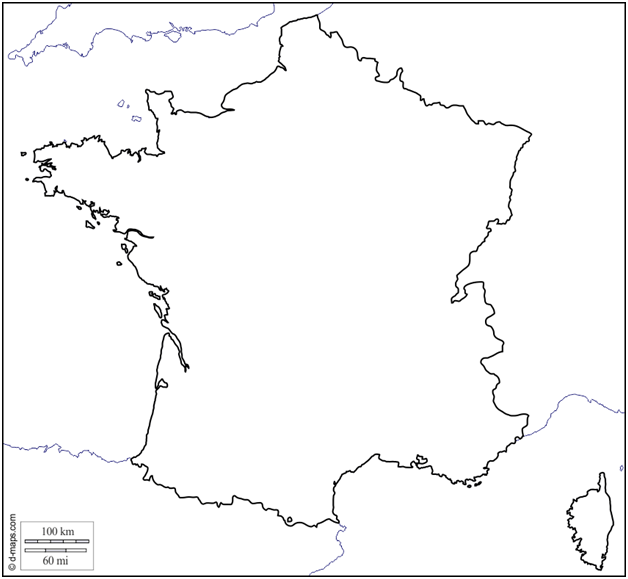
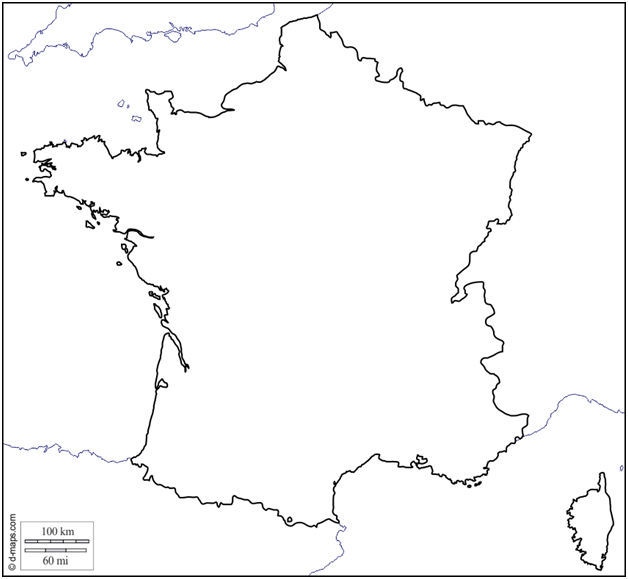
From the very beginning women were active participants in the events which brought about so many important changes in French society. They hoped that their involvement would pressurise the revolutionary government to introduce measures to improve their lives. Most women of the third estate had to work for a living. They worked as seamstresses or laundresses, sold flowers, fruits and vegetables at the market, or were employed as domestic servants in the houses of prosperous people. Most women did not have access to education or job training. Only daughters of nobles or wealthier members of the third estate could study at a convent, after which their families arranged a marriage for them. Working women had also to care for their families, that is, cook, fetch water, queue up for bread and look after the children. Their wages were lower than those of men.
(a) Name the most famous club started by women to voice their interests.
(b) What laws were introduced by the revolutionary government to help improve the lives of women? Mention any two laws.
(c) When did they finally get the right to vote ?
The Constitution of 1791 vested the power to make laws in the National Assembly, which was indirectly elected. That is, citizens voted for a group of electors, who in turn chose the Assembly. Not all citizens, however, had the right to vote. Only men above 25 years of age who paid taxes equal to at least 3 days of a labourer’s wage were given the status of active citizens, that is, they were entitled to vote. The remaining men and all women were classed as passive citizens. To qualify as an elector and then as a member of the Assembly, a man had to belong to the highest bracket of taxpayers. The Constitution began with a Declaration of the Rights of Man and Citizen.
(a) What was the main objective of the National Assembly ?
(b) What was the important provision of the Constitution of 1791 ?
(c) Mention any two rights under ‘The Declaration of the Rights of Man and Citizen’.
The period from 1793 to 1794 is referred to as the Reign of Terror. Robespierre followed a policy of severe control and punishment. All those whom he saw as being ‘enemies’ of the republic – ex-nobles and clergy, members of other political parties, even members of his own party who did not agree with his methods – were arrested, imprisoned and then tried by a revolutionary tribunal. If the court found them ‘guilty’ they were guillotined. The guillotine is a device consisting of two poles and a blade with which a person is beheaded.
(a) Who discovered the device of guillotine ?
(b) Which period is known as the “Reign of Terror”? Who were known as 'enemies' of the republic ?
(c) Why the period is known as the ‘Reign of Terror’ ?
In the summer of 1792 the Jacobins planned an insurrection of a large number of Parisians who were angered by the short supplies and high prices of food. On the morning of August 10 they stormed the Palace of the Tuileries, massacred the king’s guards and held the king himself as hostage for several hours. Later the Assembly voted to imprison the royal family. Elections were held. From now on all men of 21 years and above, regardless of wealth, got the right to vote. The newly elected assembly was called the Convention. On 21 September 1792 it abolished the monarchy and declared France a republic.
(a) Which is now the national anthem of France ?
(b) Who was the leader of Jacobins ?
(c) Name the assembly that abolished the monarchy. When did it abolished ?
Women of France were disappointed that the Constitution of 1791 reduced them to _________.
Without Rousseau, the French Revolution would not have taken place This was proclaimed by:
Why was the fortress-prison, the Bastille, hated by all?
Who wrote the influential pamphlet- ‘What is the Third Estate”?
Who wrote the book, Two Treatises of Government?
Reason (R) : A severe winter had meant a bad harvest; the price of bread rose, often bakers exploited the situation and hoarded supplies.
(a) Assertion (A) and Reason (R) are true but Reason (R) is the correct explanation of Assertion (A).
(b) Assertion (A) and Reason (R) are true but Reason (R) is not the correct explanation of Assertion (A).
(c) Assertion (A) is true but Reason (R) is false.
(d) Assertion (A) is false but Reason (R) is true.
Reason (R) : Directory was an executive made up of ten members.
(a) Assertion (A) and Reason (R) are true but Reason (R) is the correct explanation of Assertion (A).
(b) Assertion (A) and Reason (R) are true but Reason (R) is not the correct explanation of Assertion (A).
(c) Assertion (A) is true but Reason (R) is false.
(d) Assertion (A) is false but Reason (R) is true.
Reason (R) : These were frequently read aloud in groups for the benefit of those who could not read or write.
(a) Assertion (A) and Reason (R) are true but Reason (R) is the correct explanation of Assertion (A).
(b) Assertion (A) and Reason (R) are true but Reason (R) is not the correct explanation of Assertion (A).
(c) Assertion (A) is true but Reason (R) is false.
(d) Assertion (A) is false but Reason (R) is true.
The representatives of the third estate viewed themselves as spokesmen for the whole French nation. On 20th June they assembled in the hall of an indoor tennis court in the grounds of Versailles. They declared themselves a National Assembly and swore not to disperse till they had drafted a constitution for France that would limit the powers of the monarch. They were led by Mirabeau and Abbé Sieyès.
(a) Who was Mirabeau ?
(b) Why did the members of the third estate assemble in the hall of an indoor court in the grounds of Versailles ?
(c) Who was Abbe Sieyes ?
The population of France rose from about 23 million in 1715 to 28 million in 1789. This led to a rapid increase in the demand for foodgrains. Production of grains could not keep pace with the demand. So the price of bread which was the staple diet of the majority rose rapidly. Most workers were employed as labourers in workshops whose owner fixed their wages. But wages did not keep pace with the rise in prices. So the gap between the poor and the rich widened. Things became worse whenever drought or hail reduced the harvest. This led to a subsistence crisis, something that occurred frequently in France during the Old Regime.
(a) Which factors led to rapid increase in the demand of food grains? What was the consequence of this?
(b) What do you understand by the term ‘Old Regime’?
(c) On the basis of above mentioned passage, Define the term subsistence crisis.
The period from 1793 to 1794 is referred to as the Reign of Terror. Robespierre followed a policy of severe control and punishment. All those whom he saw as being ‘enemies’ of the republic – ex-nobles and clergy, members of other political parties, even members of his own party who did not agree with his methods – were arrested, imprisoned and then tried by a revolutionary tribunal. If the court found them ‘guilty’ they were guillotined. The guillotine is a device consisting of two poles and a blade with which a person is beheaded.
(a) Who discovered the device of guillotine ?
(b) Which period is known as the “Reign of Terror”? Who were known as 'enemies' of the republic ?
(c) Why the period is known as the ‘Reign of Terror’ ?
The members of the first two estates, that is, the clergy and the nobility, enjoyed certain privileges by birth. The most important of these was exemption from paying taxes to the state. The nobles further enjoyed feudal privileges. These included feudal dues, which they extracted from the peasants. Peasants were obliged to render services to the lord – to work in his house and fields – to serve in the army or to participate in building roads. The Church too extracted its share of taxes called tithes from the peasants, and finally, all members of the third estate had to pay taxes to the state. These included a direct tax, called taille, and a number of indirect taxes which were levied on articles of everyday consumption like salt or tobacco. The burden of financing activities of the state through taxes was borne by the third estate alone.
(a) Who was a group of people invested with special functions in the Church ?
(b) Difference between the tithe and taille.
(c) Which estate enjoyed privileges by birth as well as feudal privileges ?
The Constitution of 1791 vested the power to make laws in the National Assembly, which was indirectly elected. That is, citizens voted for a group of electors, who in turn chose the Assembly. Not all citizens, however, had the right to vote. Only men above 25 years of age who paid taxes equal to at least 3 days of a labourer’s wage were given the status of active citizens, that is, they were entitled to vote. The remaining men and all women were classed as passive citizens. To qualify as an elector and then as a member of the Assembly, a man had to belong to the highest bracket of taxpayers. The Constitution began with a Declaration of the Rights of Man and Citizen.
(a) What was the main objective of the National Assembly ?
(b) What was the important provision of the Constitution of 1791 ?
(c) Mention any two rights under ‘The Declaration of the Rights of Man and Citizen’.
Pick question groups from the list above, set marks and difficulty, and export a branded PDF with step-by-step answer keys. First 3 chapters free — no signup.