Factors Affecting Enzymatic Action Temperature and pH: Enzymes generally function in a narrow range of temperature and pH. Each enzyme shows its highest activity at a particular temperature and pH called the optimum temperature and optimum pH. Activity declines both below and above the optimum value. Low temperature preserves the enzyme in a temporarily inactive state whereas high temperature destroys enzymatic activity because proteins are denatured by heat.
Concentration of Substrate: With the increase in substrate concentration, the velocity of the enzymatic reaction rises at first. The reaction ultimately reaches a maximum velocity (Vmax) which is not exceeded by any further rise in concentration of the substrate. This is because the enzyme molecules are fewer than the substrate molecules and after saturation of these molecules, there are no free enzyme molecules to bind with the additional substrate molecules.
Effect of Inhibitor: The activity of an enzyme is also sensitive to the presence of specific chemicals that bind to the enzyme. When the binding of the chemical shuts off enzyme activity, the process is called inhibition and the chemical is called an inhibitor. When the inhibitor closely resembles the substrate in its molecular structure and inhibits the activity of the enzyme, it is known as.
Competitive inhibitor: Due to its close structural similarity with the substrate, the inhibitor competes with the substrate for the substrate binding site of the enzyme. Consequently, the substrate cannot bind and as a result, the enzyme action declines, e.g., inhibition of succinic dehydrogenase by malonate which closely resembles the substrate succinate in structure. Such competitive inhibitors are often used in the control of bacterial pathogens.
"Lock and Key” Model: Enzymes are very specific, and it was suggested by Emil Fischer in 1894 that this was because both the enzyme and the substrate possess specific complementary geometric shapes that fit exactly into one another. This is often referred to as “the lock and key” model. However, while this model explains enzyme specificity, it fails to explain the stabilization of the transition state that enzymes achieve. The “lock and key” model has proven inaccurate, and the induced fit model is the most currently accepted enzyme-substrate-coenzyme figure.
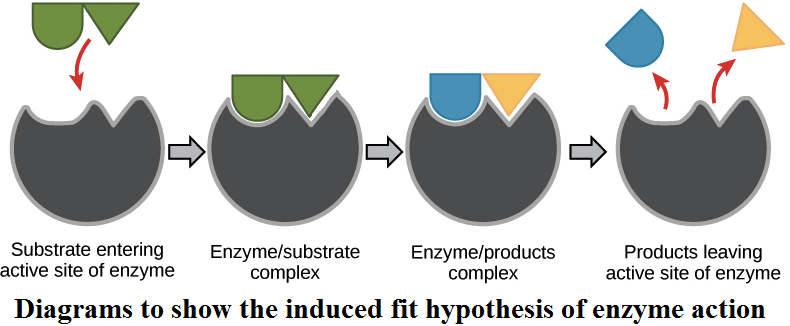 Induced Fit Mode
l
: In 1958, Daniel Koshland suggested a modification to the lock and key model: since enzymes are rather flexible structures, the active site is continually reshaped by interactions with the substrate as the substrate interacts with the enzyme. As a result, the substrate does not simply bind to a rigid active site; the amino acid side chains which make up the active site are molded into the precise positions that enable the enzyme to perform its catalytic function. In some cases, such as glycosidases, the substrate molecule also changes shape slightly as it enters the active site. The active site continues to change until the substrate is completely bound, at which point the final shape and charge is determined.
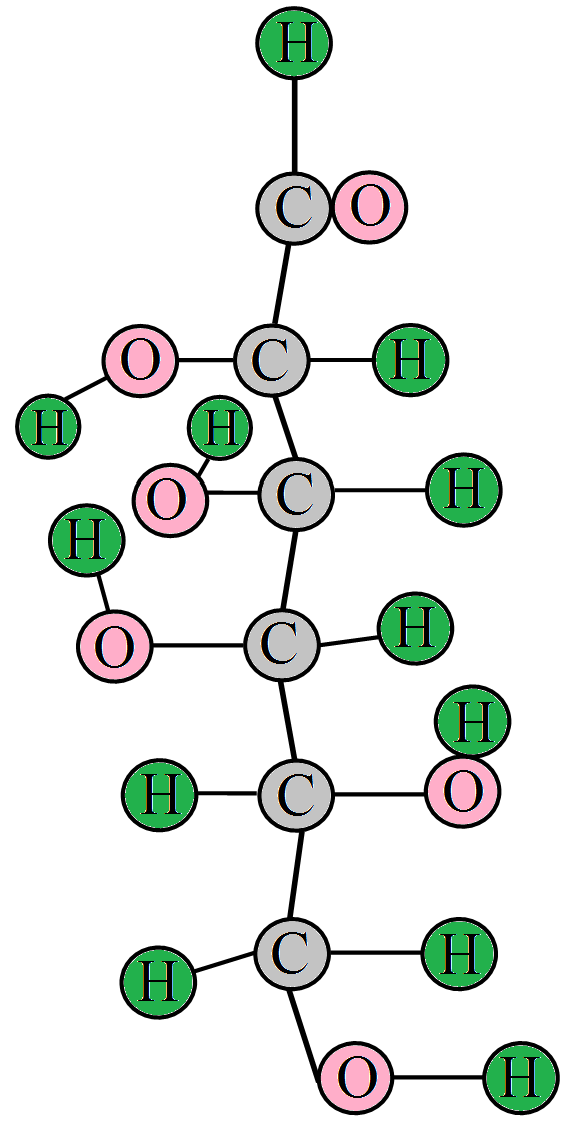 Yes. The biomolecules can be represented by the ball and stick model. The bonds which hold the atoms are represented by sticks, whereas the atoms are represented by balls.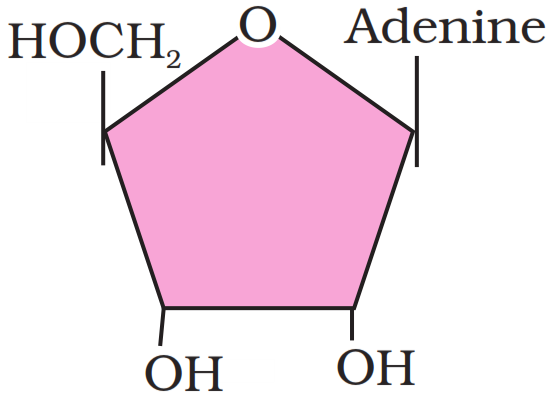
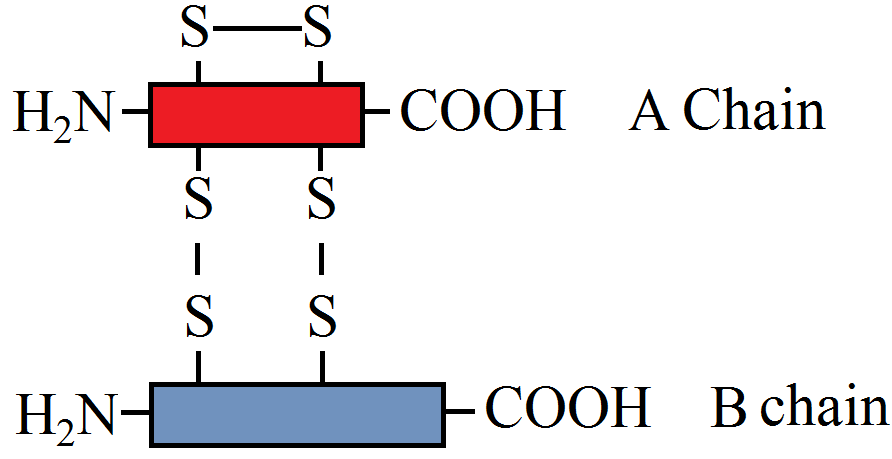
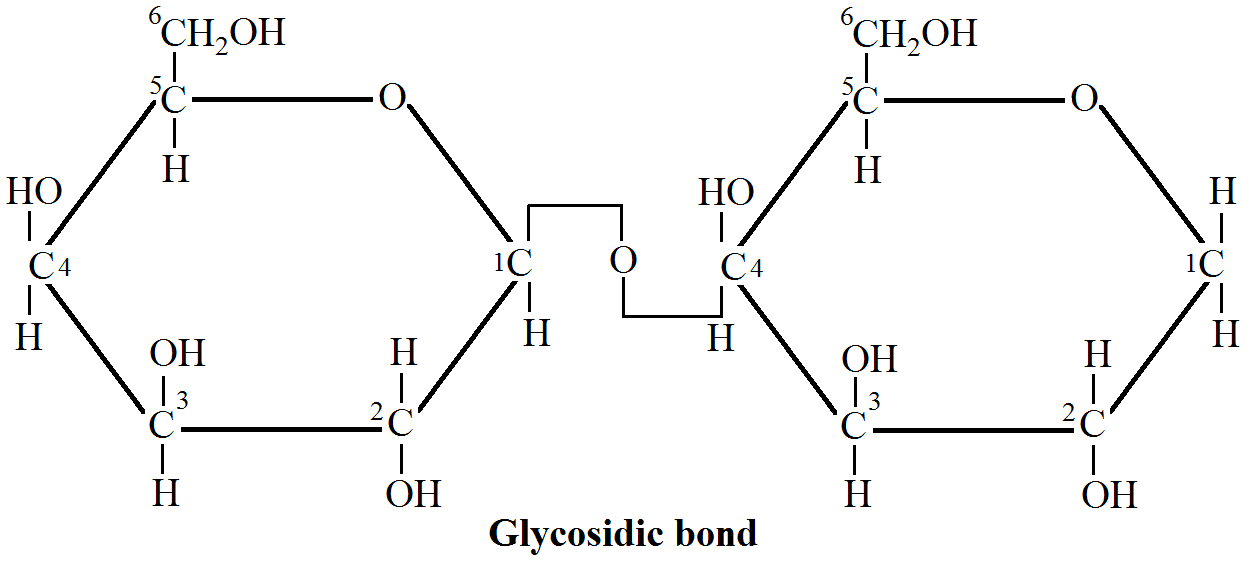
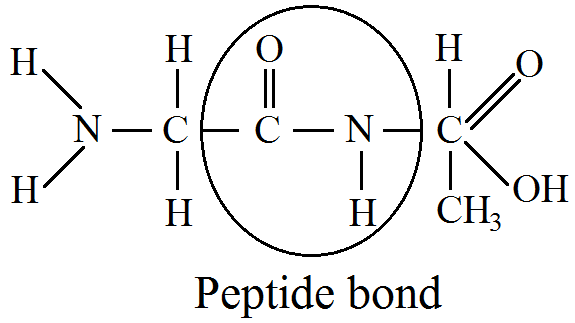
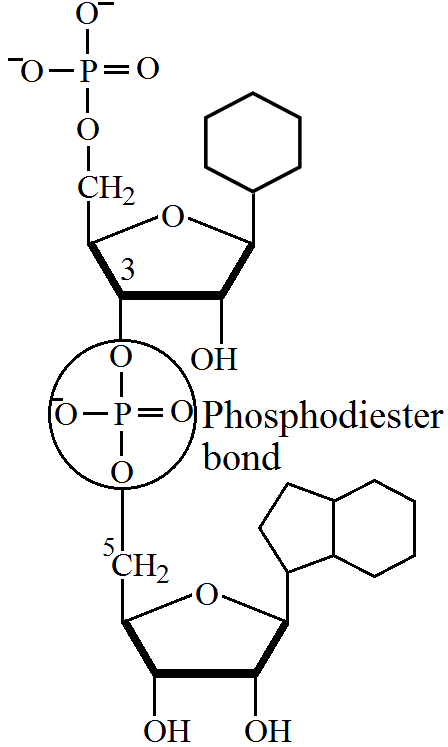
 Peptide Bond: A peptide bond (amide bond) is a chemical bond formed between two molecules when the carboxyl group of one molecule reacts with the amine group of the other molecule, thereby releasing a molecule of water (HO). This is a dehydration synthesis reaction (also known as a condensation reaction), and usually occurs between amino acids. The resulting CO-NH bond is called a peptide bond, and the resulting molecule is an amide. The four-atom functional group -C(=O)NH- is called an amide group or (in the context of proteins) a peptide group. Polypeptides and proteins are chains of amino acids held together by peptide bonds, as is the backbone of PNA. Polyamides, such as nylons and aramids, are synthetic molecules (polymers) that possess peptide bonds.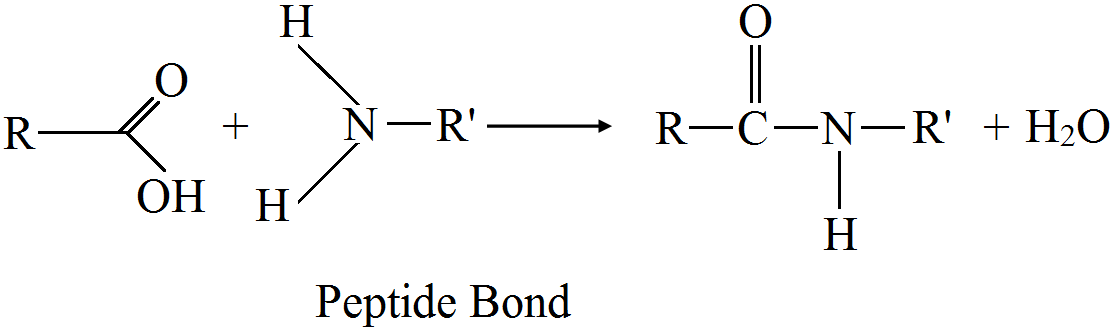

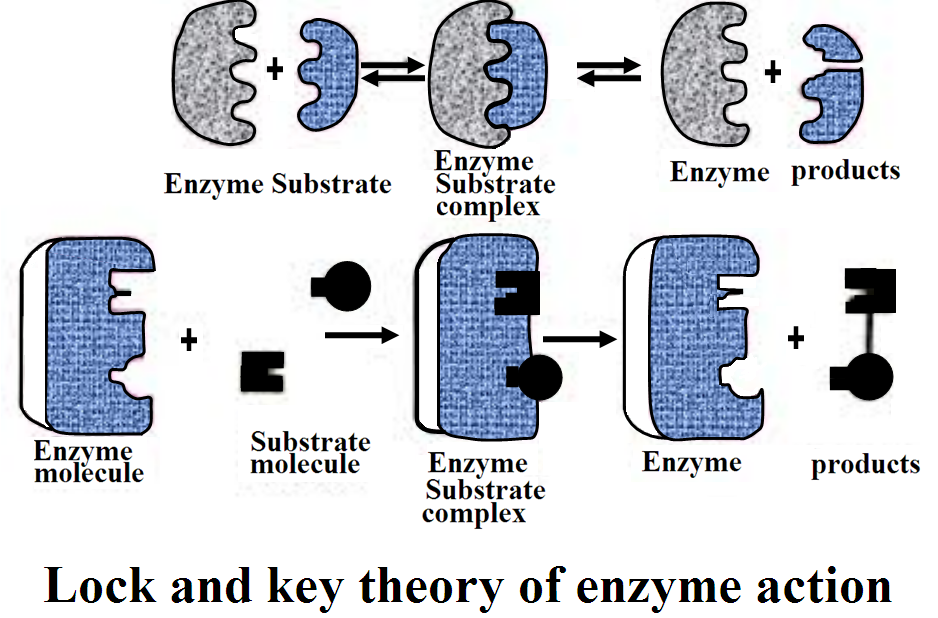 Upper series – Breakdown reaction Lower series – Biosynthetic reaction.
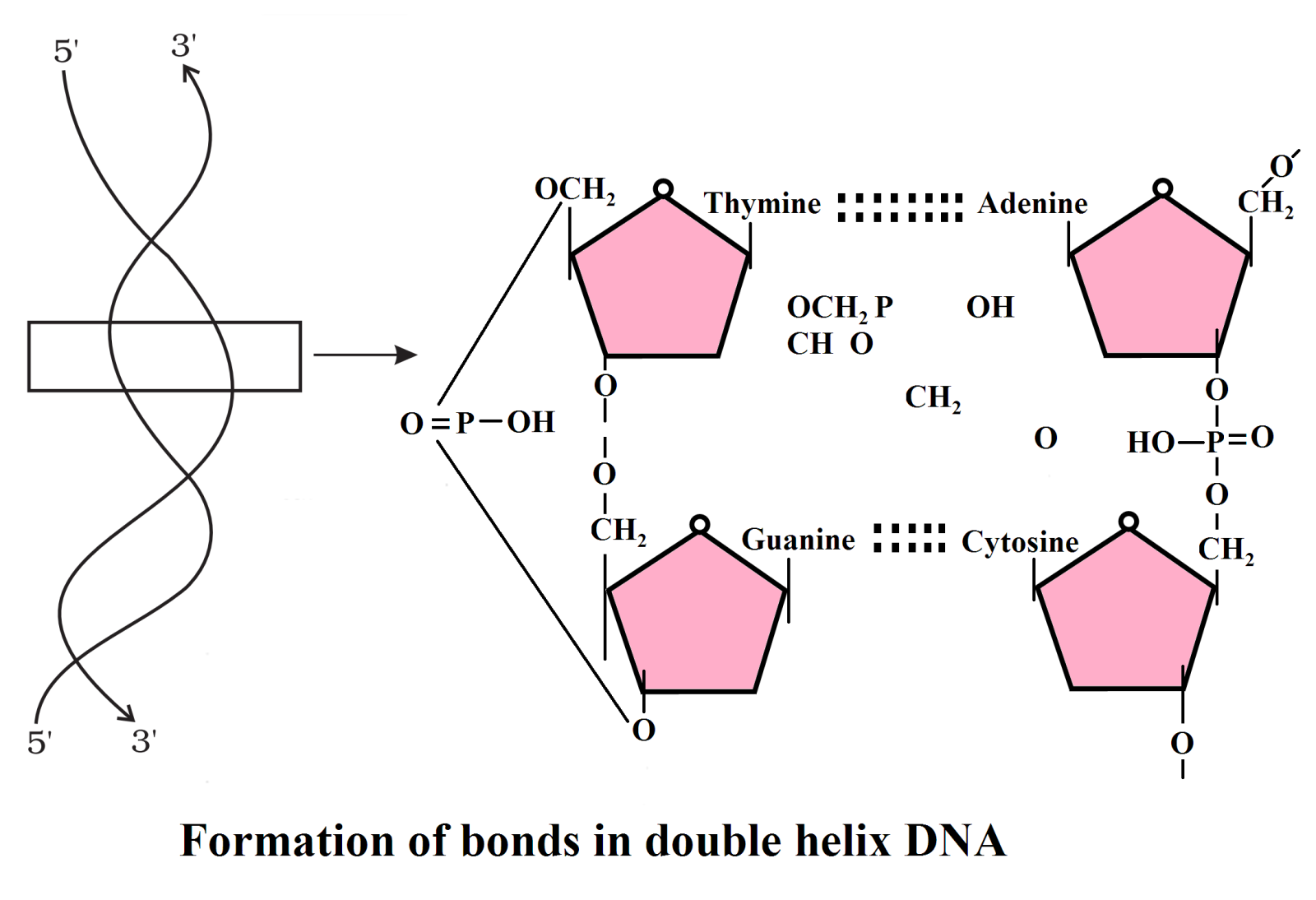
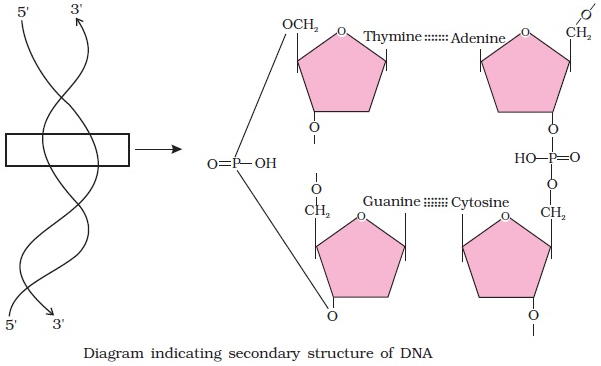
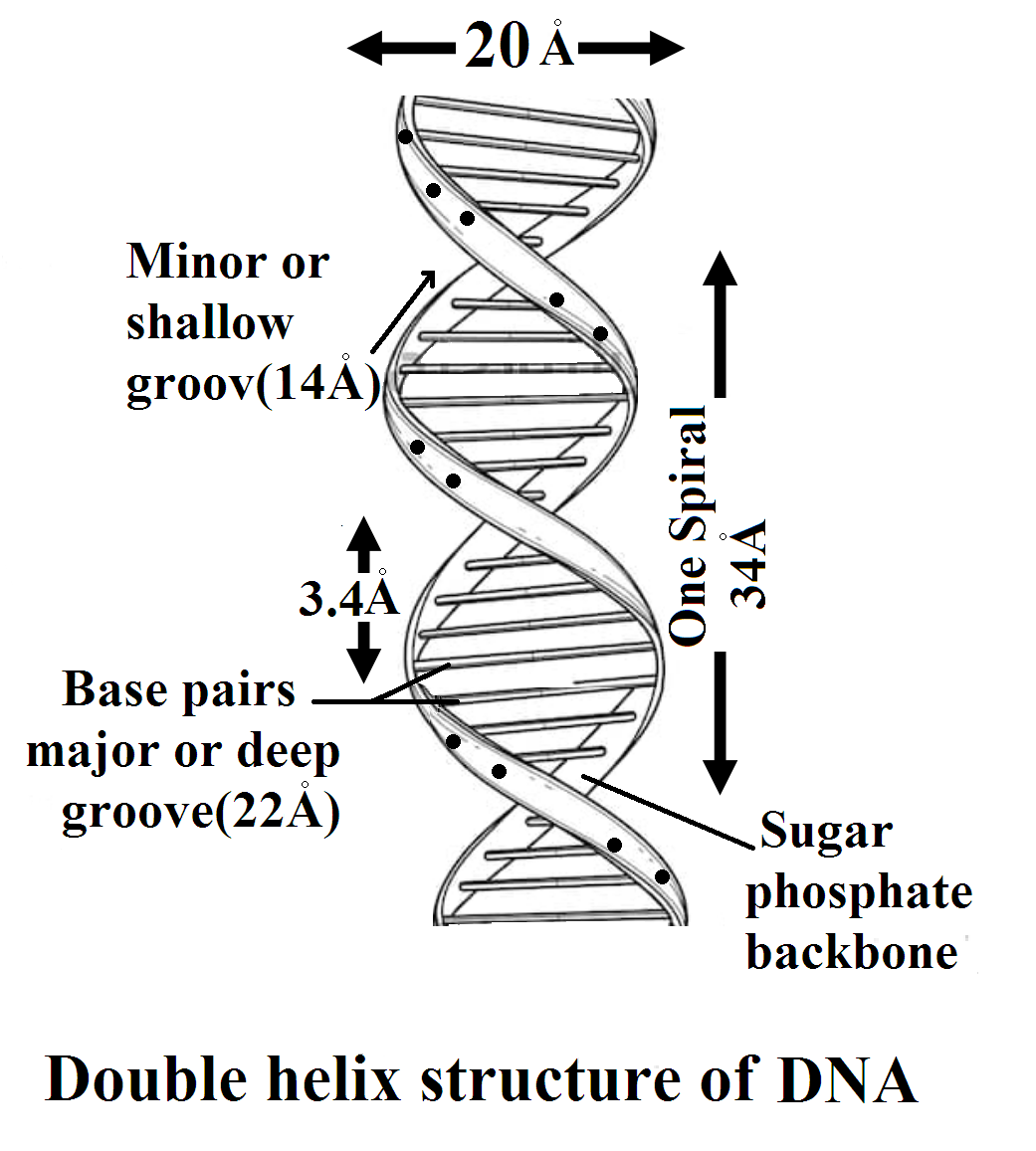 James Watson and Francis Crick proposed a secondary structure of DNA molecules based on the crystallographic studies.