(1) Growth-promoting : Several non-endocrine organs release many hormones that are known as growth promoting hormones. These hormones are necessary for the general growth, repair, and regeneration of tissues and organs.
(2) Gastrointestinal Tract : Various parts of the gastrointestinal tract contain endocrine cells that secrete four main peptide hormones, which are as follows :
(i) Gastrin : Acts on gastric glands to stimulate the secretion of H C l and pepsinogen.
(ii) Secretin : Acts on the exocrine pancreas, stimulating the secretion of water and bicarbonate ions.
(iii) Cholecystokinin : Acts successively on both the pancreas and gallbladder, promoting the secretion of pancreatic enzymes and bile.
(iv) Gastric Inhibitory Peptide (GIP) : Inhibits gastric secretion and its motility.
(3) Erythropoietin : Cells of the juxtaglomerular apparatus in the kidney produce erythropoietin, a hormone that stimulates the production of red blood cells (RBCs).
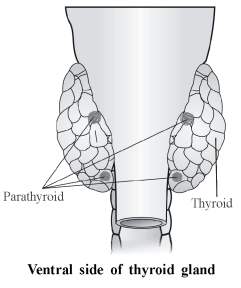
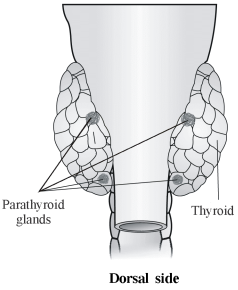
(4) Thyrocalcitonin : A protein hormone is secreted from the thyroid gland, known as thyrocalcitonin (TCT), which regulates the level of calcium in the blood.