What was a major reason for the ban on frog leg exports in India?
- ALack of demand
- BEcological damage
- CHigh production costs
- DDisease outbreak
88 questions across 8 question groups — pick any mix to generate a Science paper with step-by-step answer keys.
M.C.Q. [I MARKS]
12 Q→02as requested in detail. [5 marks ]
1 Q→03Fill in the blanks: [1 M]
10 Q→04questions in short. [2 marks ]
19 Q→05true or false. [1 M]
10 Q→06questions in short. [3 marks ]
13 Q→07questions in on sentence. [1 M]
17 Q→08Match the Following.
6 Q→One sample from each question group in this chapter. Select any group above to see the full set with answer keys.
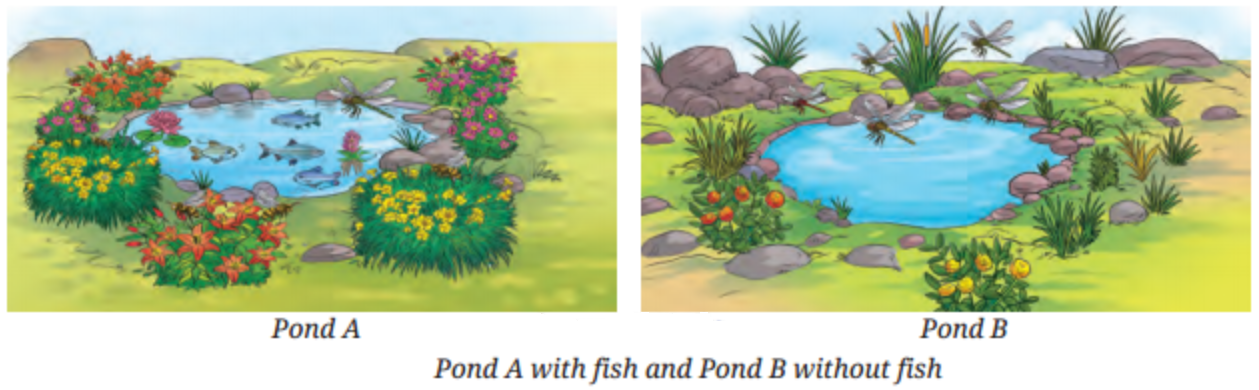
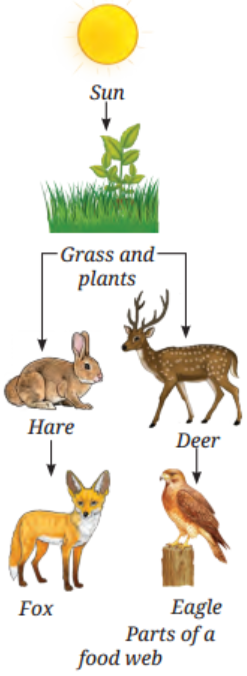
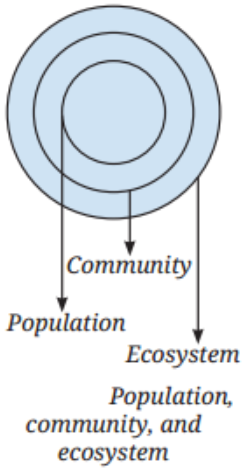
| Column A | Column B |
| Q.1. Mutualism | (a) Frog eating insects |
| Q.2. Parasitism | (b) Honeybees and flowers |
| Q.3. Predation | (c) Ticks on a dog |
| Q.4. Commensalism | (d) Orchids on tree branches |
| Column A | Column B |
| Q.1. Grass | (a) Second |
| Q.2. Hare | (b) Third |
| Q.3. Snake | (c) First |
| Q.4. Eagle | (d) Fourth |
| Column A | Column B |
| Q.1. Mutualism | (a) Mangroves slow tsunami waves |
| Q.2. Parasitism | (b) Honeybees and flowers |
| Q.3. Decomposition | (c) Ticks on a dog |
| Q.4. Ecosystem Service | (d) Fungi breaking down dead leaves |
| Column A | Column B |
| Q.1. Population | (a) Grass → Grasshopper → Frog |
| Q.2. Community | (b) All deer in a forest |
| Q.3. Ecosystem | (c) All species in a pond |
| Q.4. Food Chain | (d) Pond with fish, plants, and water |
| Column A | Column B |
| Q.1. Mushroom | (a) Eats other birds |
| Q.2. Bengal Fox | (b) Preys on small mammals |
| Q.3. Shikra (Bird) | (c) Eats frogs or grasshoppers |
| Q.4. Snake | (d) Eats both plants and animals |
Pick question groups from the list above, set marks and difficulty, and export a branded PDF with step-by-step answer keys. First 3 chapters free — no signup.