Questions · Page 3 of 4

[2 Mark Questions]

Question 1012 Marks
Why is blood called a ‘liquid connective tissue’?
Answer
Blood is called a fluid connective tissue because it develops from the mesoderm of the embryo like any other typical connective tissue and connects all the organ systems of the body by transporting oxygen, nutrients, hormones, etc., and removing wastes from these organs.
View full question & answer
Question 1022 Marks
Define "Saprophytic nutrition" Give one example of each type.
Answer
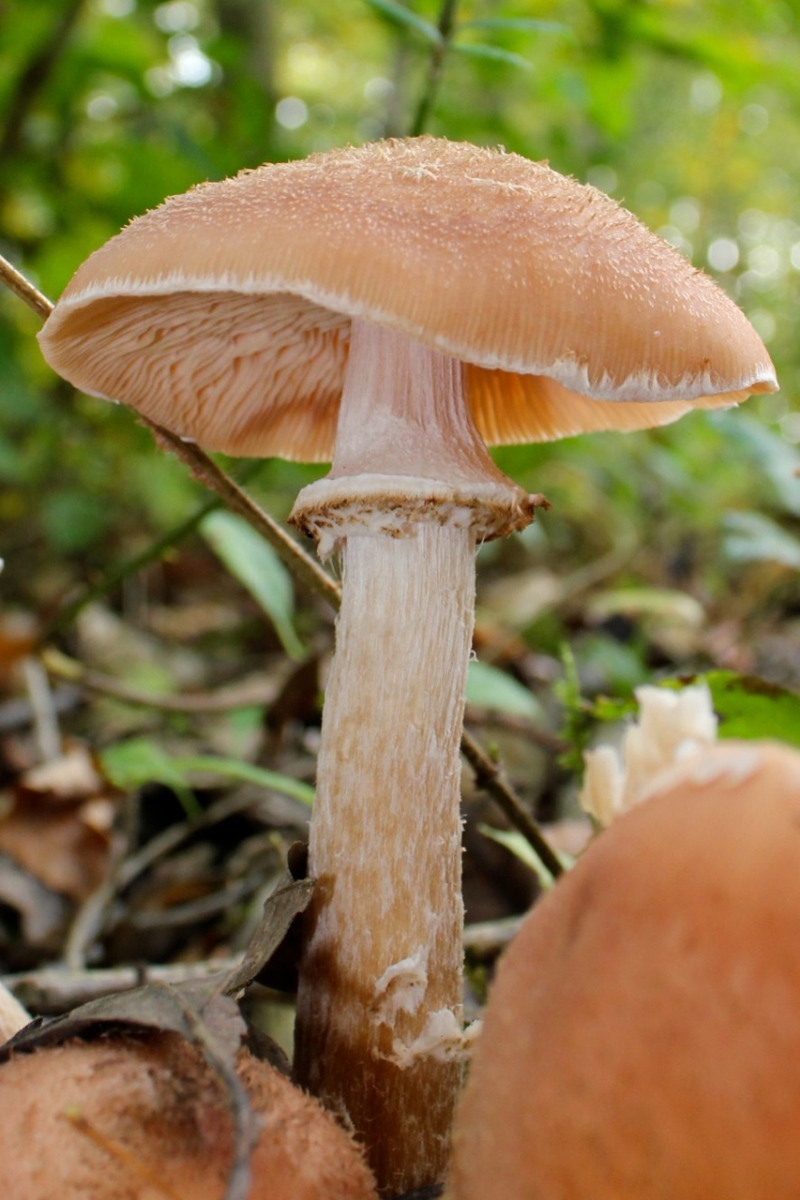
Saprophytic nutrition: It is that nutrition in which an organism obtains its food from dead organic matter of dead plants, dead animals and rotten bread.
Example: Fungi and many bacteria obtain food by saprophytic nutrition.
View full question & answer
Question 1032 Marks
Explain why, plants have low energy needs as compared to animals.
Answer
Plants do not move. In a large plant body there are many dead cells like sclerenchyma as a result it requires less energy as compared to animals.
View full question & answer
Question 1042 Marks
What type of arrangement exists in the bodies of large animals to meet their oxygen requirements adequately?
Answer
Large organisms contain a respiratory pigment called haemoglobin which carries the oxygen from the lungs to all the body cells very efficiently.
View full question & answer
Question 1052 Marks
What is the advantage of separate channels in mammals and birds for oxygenated and deoxygenated blood?
Answer
It is necessary to separate oxygenated and deoxygenated blood in mammals and birds, because they need high energy and large amount of oxygen. The separation of oxygenated and deoxygenated blood provides high oxygen supply to the organs.
View full question & answer
Question 1062 Marks
In which organisms the cell membrane acts as the respiratory surface?
Answer
The organism in which the cell membrane acts as a respiratory surface is Amoeba. In amoeba, the unicellular animal, the exchange of gases takes place through the cell membrane or the plasma membrane. The cell membrane of amoeba absorbs oxygen from the surrounding area and release carbon dioxide by the process of diffusion.
View full question & answer
Question 1072 Marks
How is food transported in plants?
Answer
Phloem transports food materials from the leaves to different parts of the plant. The transportation of food in phloem is achieved by utilizing energy from ATP which helps in creating osmotic pressure that transport food from the area of high concentration to low concentration.
View full question & answer
Question 1082 Marks
State the function of chlorophyll.
Answer
Chlorophyll is vital for photosynthesis, which allows plants to absorb energy from light. Chlorophyll molecules are arranged in and around photosystems that are embedded in the thylakoid membranes of chloroplasts. In these complexes, chlorophyll serves three functions.
View full question & answer
Question 1092 Marks
“All plants give out oxygen during day and carbon dioxide during night”. Do you agree with this statement? Give reason.
Answer
Yes. Respiration is going on throughout day and night. Photosynthesis occurs only during the day. Rate of photosynthesis is several times the rate of respiration. All the $CO _2$ produced in respiration is also consumed in photosynthesis during the day time. Therefore, during day time, plants give out oxygen, which is a product of photosynthesis. However, during night when there is no photosynthesis, plants liberate carbon dioxide.
View full question & answer
Question 1102 Marks
What are respiratory substrates? Give one example.
Answer
Respiratory substrates are those organic substances which are oxidised during respiration to liberate energy inside the living cells. The common respiratory substrates are carbohydrates, proteins, fats and organic acids. The most common respiratory substrate is glucose. It is a hexose monosaccharide.
View full question & answer
Question 1112 Marks
What is meant by dialysis? What type of patients are put on dialysis?
Answer
Dialysis: The procedure used for cleaning the blood of a person by separating the urea from it is called dialysis. The patients with kidney failure are put on dialysis.
View full question & answer
Question 1122 Marks
Where is bile juice produced?
Answer
Bile or gall is a dark green to yellowish brown fluid, produced by the liver of most vertebrates, that aids the digestion of lipids in the small intestine.
In humans, bile is produced continuously by the liver (liver bile), and stored and concentrated in the gallbladder.
View full question & answer
Question 1132 Marks
What advantage over an aquatic organism does a terrestrial organism have with regard to obtaining oxygen for respiration?
Answer
The rate of breathing is slower in terrestrial organisms as compared to aquatic organisms. This is due to the fact that in water, the amount of oxygen is less as compared to air so, in aquatic organisms the rate of breathing is faster.
View full question & answer
Question 1142 Marks
How are the lungs designed in human beings to maximise the area for exchange of gases?
Answer
In lungs, the bronchioles terminate in balloon-like structures called alveoli. The alveoli contains network of blood capillaries that increase the surface area for exchange of gases.
View full question & answer
Question 1152 Marks
State the photosynthetic reaction and where does it occur?
Answer
The Photosynthetic reaction takes place inside plant cells in small things called chloroplasts. The presence of chlorophyll (green pigment) is necessary for photosynthesis to occur and chlorophyll is present in leaves as green dots. The process of the photosynthetic process is depicted here:$6\text{CO}_{2}+6\text{H}_{2}\text{O}\xrightarrow[\text{Chlorophyll}]{\text{Sunlight}}\text{C}_{6}\text{H}_{12}\text{O}_{6}+\text{6O}_{2}\\ \ \ \ \ \ \ \ \ \ \ \ \ \ \ \ \ \ \ \ \ \ \ \ \ \ \ \ \ \ \ \ \ \ \ \ \ \ \ \ \ \ \ \ \ \ ^{(\text{Glucose})}$
View full question & answer
Question 1162 Marks
Explain why, a land plant may die if its roots remain water logged for a long time.
Answer
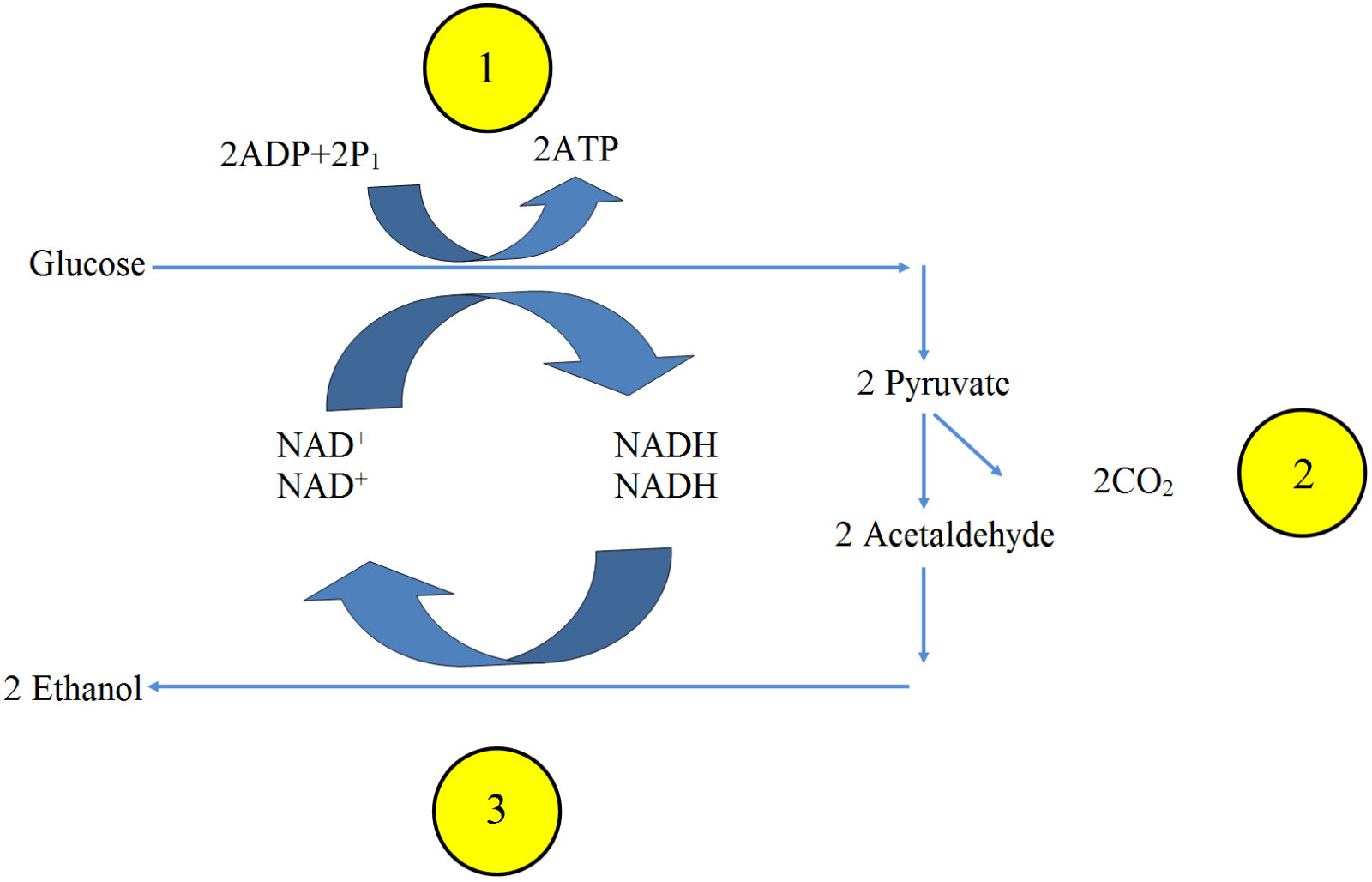
A land plant may die if its roots remain water logged for a long time because too much water expels all the air from in - between the soil particles. Due to this, oxygen is not available to the roots for aerobic respiration. Under these conditions the roots will respire anaerobically producing alcohol which may kill the plant.
View full question & answer
Question 1172 Marks
Define "Holozoic nutrition" Give one example of each type.
Answer
Holozoic nutrition: It is that nutrition in which an organism takes the complex organic food materials into its body by the process of ingestion the ingested food is digested and then absorbed into the body cells of the organism.
Example: Human beings obtain food by holozoic nutrition.
View full question & answer
Question 1182 Marks
Explain the term ingestion.
Answer
Ingestion refers to the consumption of food, water and other substances through the mouth into the gut. Ingestion is a general term used for taking in any substance into the digestive system.
View full question & answer
Question 1192 Marks
Name the energy currency in the living organisms. When and where is it produced?
Answer
The energy currency of the cell is ‘ATP’. It is produced in cytoplasm in lower organisms which respire anaerobically. In higher organisms, ‘ATP’ is produced in mitochondria when they respire aerobically.
View full question & answer
Question 1202 Marks
Why is it necessary to separate oxygenated and deoxygenated blood in mammals and birds?
Answer
It is necessary to separate the oxygenated blood from mixing with deoxygenated blood as mammals and birds have high energy needs because they constantly require energy to maintain their body temperature.
View full question & answer
Question 1212 Marks
Arrange the terms in correct sequence:
Glomerulus, renal vein, efferent arterioles, renal artery, afferent arterioles, secondary capillaries.
Answer
Renal artery, afferent arterioles, glomerulus, efferent arterioles, secondary capillaries.
View full question & answer
Question 1222 Marks
What is the significance of transpiration in plants?
Answer
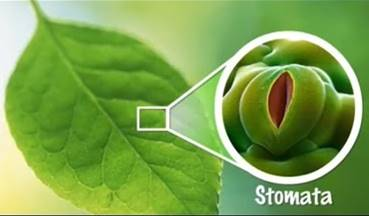
Transpiration is essential in the life of plants. It helps in the absorption of carbondioxide ($CO _2$) from the atmosphere during photosynthesis as the openings of stomata in day time facilitate gaseous exchange.
View full question & answer
Question 1232 Marks
Define "Parasite" Name two saprophytes and two parasites.
Answer
Parasite: A parasite is an organism (plant or animal) which feeds on another living organism called its host.
Example: Plasmodium and round worm.
View full question & answer
Question 1242 Marks
Blood does not clot in the blood vessels. Give reason.
Answer
The basophils(a type of WBC) and mast cells present in our body(a part of formed elements) secrete an anti-coagulant known as Heparin. Blood doesn't clot in the blood vessels because of a chemical called heparin.Heparin is an anticoagulant which does not allow the blood to clot in the blood vessels.
View full question & answer
Question 1252 Marks
Name the respiratory pigment present in human beings. Which major air pollutant has high affinity for this pigment?
Answer
Hemoglobin is the respiratory pigment present in humans Its main function is to transport oxygen to various parts of the body. Apart from oxygen transportation, hemoglobin has some role in transportation of carbon dioxide from body parts to lungs. About 10% of carbon dioxide transportation occurs through hemoglobin.
Carbon monoxide (CO) has a great affinity with haemoglobin. Increase in amount of CO in body can even cause the death of organism due to suffocation (insufficient blood supply).
View full question & answer
Question 1262 Marks
Define a nutrient. Name four important nutrients present in our food.
Answer
A nutrient can be defined as a substance which an organism obtains from its surroundings and uses it as a source of energy or for the biosynthesis of its body constituents (like tissues and organs). The four important nutrients present in our food are: carbohydrates, fats, proteins and mineral salts.
View full question & answer
Question 1272 Marks
When do we need artificial kidneys?
Answer
In case of kidney failure, an artificial kidney is needed. The kidneys lose the ability to remove the nitrogenous waste products from the body or their activity is highly reduced. They fail to perform their vital function. There are many reasons for kidney failure such as injury, infection and reduced blood flow that lead to accumulation of wastes in our body. Hence, an artificial kidney can be used.
View full question & answer
Question 1282 Marks
State the process by which chemicals from the blood enter the dialysing fluid?
Answer
The kidney is responsible for the removal of waste products from the blood. Damage from accidents or disease can lead to a build-up of poisonous wastes in the body.The chemicals (toxic waste products) from the blood enter the dialyzing fluid through the process of diffusion when blood is passed along the tubes.
View full question & answer
Question 1292 Marks
What is phloem tissue? Phloem contains two types of cells joined side by side. Name these two types of cells. State whether these cells are living or dead.
Answer
Phloem tissue is a vascular tissue which transports the food materials made in the leaves to the other parts of the plant. Phloem is made up of many cells joined end to end to form long tubes. The cells of the phloem are sieve tubes and companion cell. These are living cells.
View full question & answer
Question 1302 Marks
What type of nutrition occurs in fungi?
Answer
Fungi are heterotrophic organisms. They get their nutrition by absorbing organic compounds from the environment. Fungi, along with bacteria that are found in soil, are the primary decomposers of organic matter in terrestrial ecosystems. They break down the food material outside their body by secreting digestive enzymes and absorb nutrition from it.
View full question & answer
Question 1312 Marks
What is blood? Why is it red?
Answer
Blood is a red coloured liquid which circulates in our body. It is red because it contains a pigment called haemoglobin in its red cells.
View full question & answer
Question 1322 Marks
Explain the importance of soil for plant growth.
Answer
Importance of soil for plant growth:
  1. Soil provides the base on which a plant can grow.
  2. Soil serves as reservoir of water for plants.
  3. Soil serves as reservoir of different minerals which are essential for growth of plants.
  4. Soil contains many organic materials which provide nutrients to plants.
View full question & answer
Question 1332 Marks
Bile juice does not contain any digestive enzymes, yet it is essential for digestion, why so? Explain.
Answer
Bile is a digestive juice secreted by the liver. Although it does not contain any digestive enzymes, it plays an important role in the digestion of fats. Bile juice has bile pigments such as bilirubin and biliverdin. These break down large fat globules into smaller globules so that the pancreatic enzymes can easily act on them. This process is known as emulsification of fats. Bile juice also makes the medium alkaline deu to presense of $NaHCO_3$ and also activate lipase.
View full question & answer
Question 1342 Marks
How does water from the soil reach the leaves of a plant to be used in photosynthesis?
Answer
The water required by the plants for photosynthesis is absorbed by the roots of the plants from the soil through the process of osmosis. The absorbed water is then transported upward through the xylem vessels to the leaves where it reaches the photosynthetic cells and utilized in photosynthesis.
View full question & answer
Question 1352 Marks
What is blood pressure? What are the two factors used to express the blood pressure of a person?
Answer
Blood pressure: The pressure at which the blood is pumped around the body by the heart is called blood pressure. The two factors which expresses the blood pressure a person are systolic pressure and diastolic pressure.
View full question & answer
Question 1362 Marks
Why is small intestine in herbivores longer than in carnivores?
Answer
The food of herbivores contains a huge amount of cellulose. The animals need the assistance of certain bacteria to digest cellulose and this process takes time. Due to this, herbivores have longer small intestine than carnivores. Meat is easier to digest and hence carnivores have small intestine which is much smaller than in herbivores.
View full question & answer
Question 1372 Marks
What is photosynthesis?
Answer
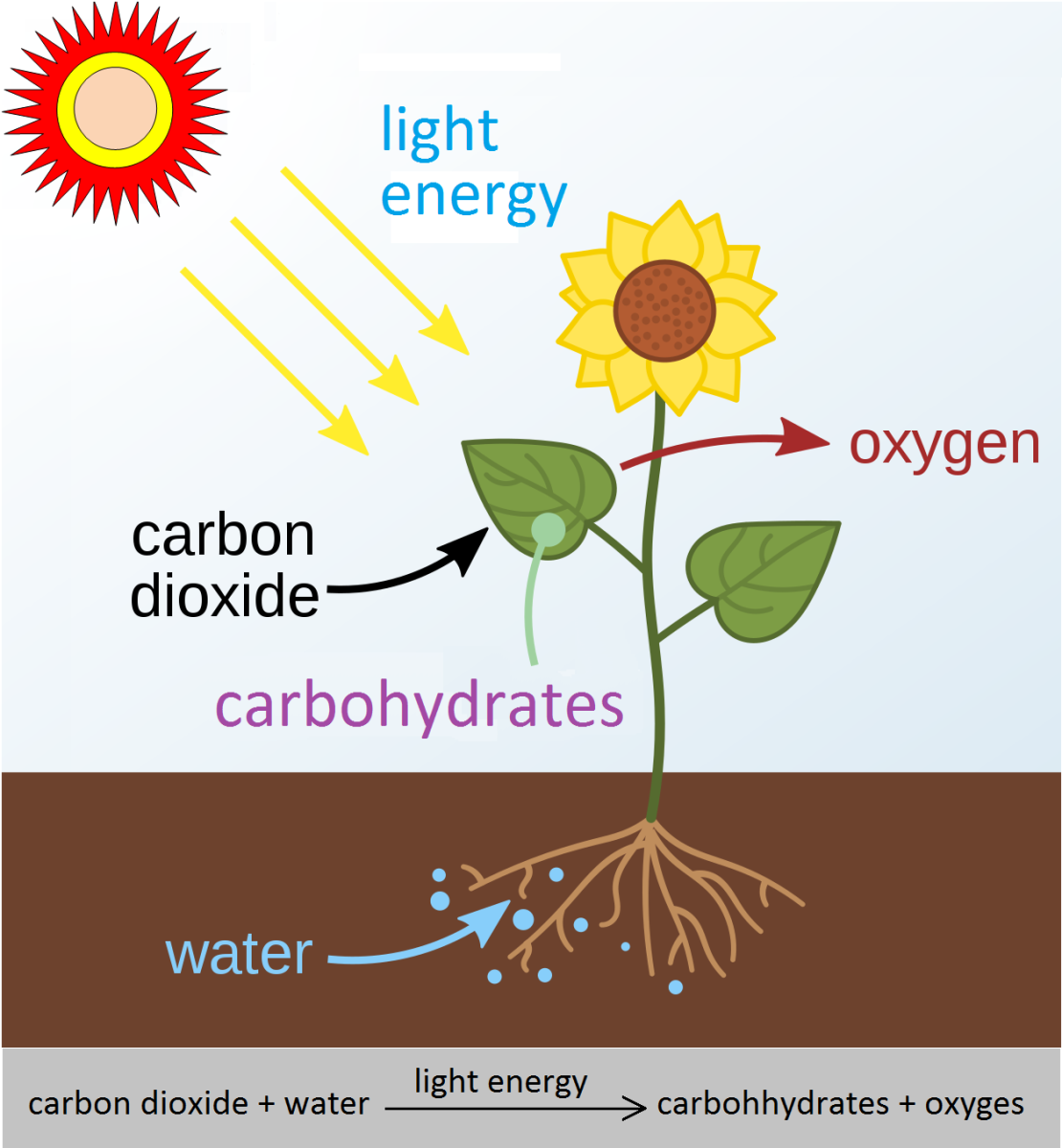
The process by which green plants make their own food (like glucose) from carbon dioxide and water by using sunlight energy in the presence of chlorophyll is called photosynthesis.
View full question & answer
Question 1382 Marks
Name the substances on which the following enzymes act in the human digestive system:
  1. Trypsin.
  2. Amylase.
  3. Pepsin.
  4. Lipase
Answer
  1. Proteins.
  2. Starch.
  3. Proteins.
  4. Fats.
View full question & answer
Question 1392 Marks
State the function of ATP.
Answer
A denosine triphosphate (ATP) is thought of as the "molecular currency" for energy transfer within the cell. Function: ATPs are used as the main energy source for metabolic functions. They are consumed by energy-requiring (endothermic) processes and produced by energy-releasing (exothermic) processes in the cell.
View full question & answer
Question 1402 Marks
Name the main nitrogenous waste in the human blood. How is it removed from the blood?
Answer
Urea is the main nitrogenous waste in human blood. It is removed from the body in the form of urine through the kidneys.
View full question & answer
Question 1412 Marks
What are the various conditions necessary for photosynthesis?
Answer
The conditions for photosynthesis are sunlight, chlorophy ll, carbon-dioxide and water.
View full question & answer
Question 1422 Marks
What is the role of saliva in the digestion of food?
Answer
The role of saliva in the digestion of food:
  1. It moistens the food for easy swallowing.
  2. It contains a digestive enzyme called salivary amylase, which breaks down starch into sugar.
View full question & answer
Question 1432 Marks
What is the function of excretory system in humans?
Answer
The excretory system removes the poisonous waste substances from the body in the form of urine and maintains ionic balance called osmoregulation.
View full question & answer
Question 1442 Marks
What type of respiration takes place in human muscles during vigorous physical exercise? Give reason for your answer.
Answer
Anaerobic respiration takes place in human muscles during vigorous physical exercise because oxygen gets used up faster in the muscle cells than can be supplied by the blood.
View full question & answer
Question 1452 Marks
With which human organ systems (or human systems) are the following associated?
  1. Vena cava.
  2. Glomerulus.
  3. Alveoli.
  4. Villi.
Answer
  1. Circulatory system.
  2. Excretory system.
  3. Respiratory system.
  4. Digestive system.
View full question & answer
Question 1462 Marks
What processes would you consider essential for maintaining life?
Answer
The processes essential for maintaining life are:
  1. Nutrition
  2. Respiration
  3. Transportation
  4. Excretion.
View full question & answer
Question 1472 Marks
Some plants excrete wastes through stomata, others through hydathodes. Name the processes occurring in them.
Answer
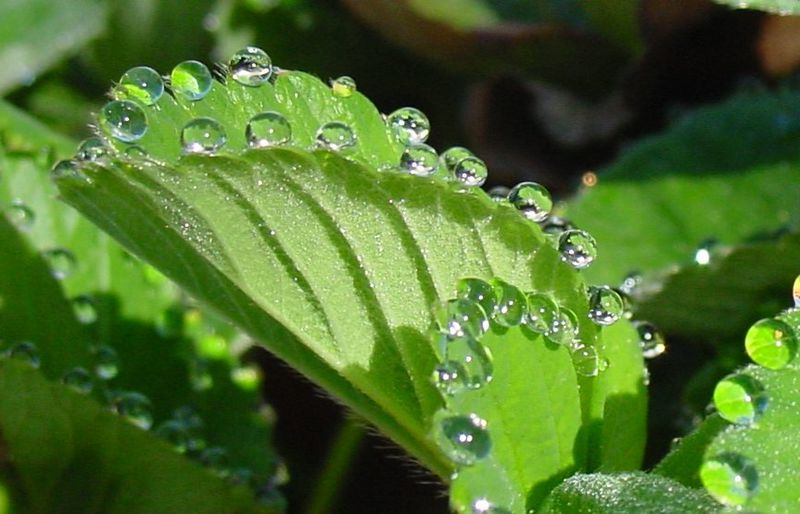
When water is lost in the form of vapours through the stomata present on leaves, it is called transpiration. Some plants lose excess water in the form of liquid droplets from the margins of leaves, through hydathodes. This process is called as guttation. Hydathodes are structurally modified pores present on leaf margin.

View full question & answer
Question 1482 Marks
In human beings, where does the gaseous exchange take place?
Answer
In humans, lungs are the major respiratory organ.Internally, lungs are divided into numerous sac like structures called as alveoli. respiratory is the process that occurs between oxygen and carbon dioxide. Oxygen is passed from the lungs to the bloodstream and carbon dioxide is eliminated from the bloodstream to the lungs. Exchange of Gas takes place in lungs between the alveoli and capillaries which are tiny blood vessels, placed at the walls of alveoli. The rate of diffusion depends on the thickness of the biological membrane which forms the boundary between the external environment.
View full question & answer
Question 1492 Marks
Identify the mode of nutrition where sunlight is used along with $CO _2$ and water to prepare food.
Answer
The process by which green plants make their own food from carbon dioxide and water by using sunlight energy in the presence of chlorophyll is called photosynthesis.
Plants make their own food in the presence of sunlight and hence they are autotrophs. Plants convert sunlight energy into chemical energy. They use carbon dioxide, water and sunlight to make their own food in the presence of chlorophyll.
View full question & answer
Question 1502 Marks
What is meant by saying that the blood pressure of a person is 120/80?
Answer
If the blood pressure of a person is 120/80 it means that the systolic pressure is 120mm Hg and diastolic pressure is 80mm Hg.
View full question & answer
[2 Mark Questions] - Page 3 - Science STD 10 Questions - Vidyadip