Question 15 Marks
Why does blowing over a spoonful of hot tea cools it? Does evaporation play a role? Does radiation play a role?
Answer
View full question & answer→Here, major role is played by convection. When we blow air over a spoonful of hot tea, the air coming from our mouth has less temperature than the air above the tea. Since hot air has less density, it rises up and cool air goes down. In this way, the tea cools down.
We know that any hot body radiates.
So, the spoonful of tea will also radiate and as the temperature of the surrounding is less then the tea, the tea will cool down with time. Evaporation is also involved in this. On blowing over the hot tea, rate of evaporation increases and the cools down.
We know that any hot body radiates.
So, the spoonful of tea will also radiate and as the temperature of the surrounding is less then the tea, the tea will cool down with time. Evaporation is also involved in this. On blowing over the hot tea, rate of evaporation increases and the cools down.
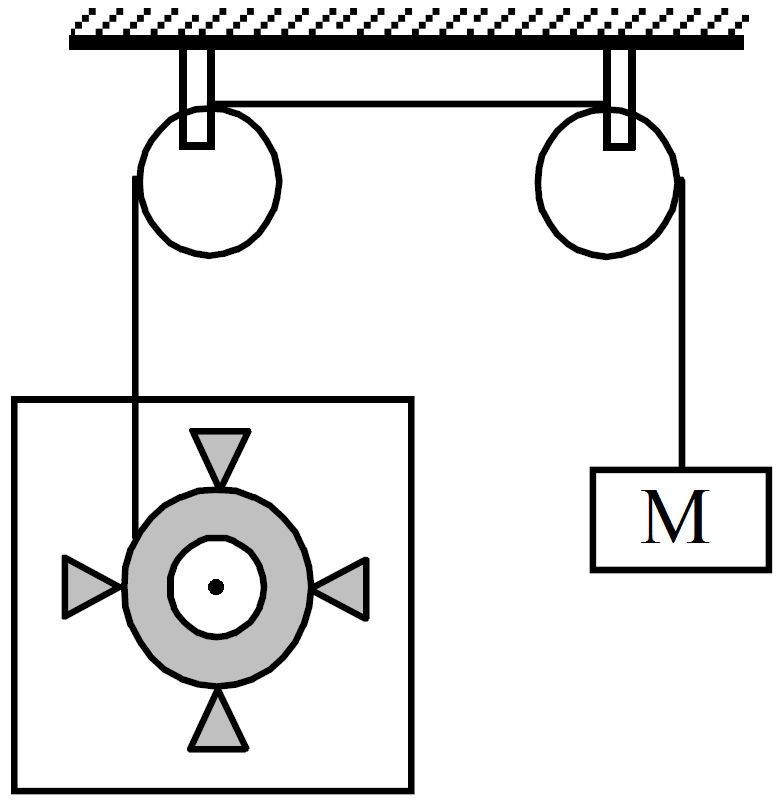
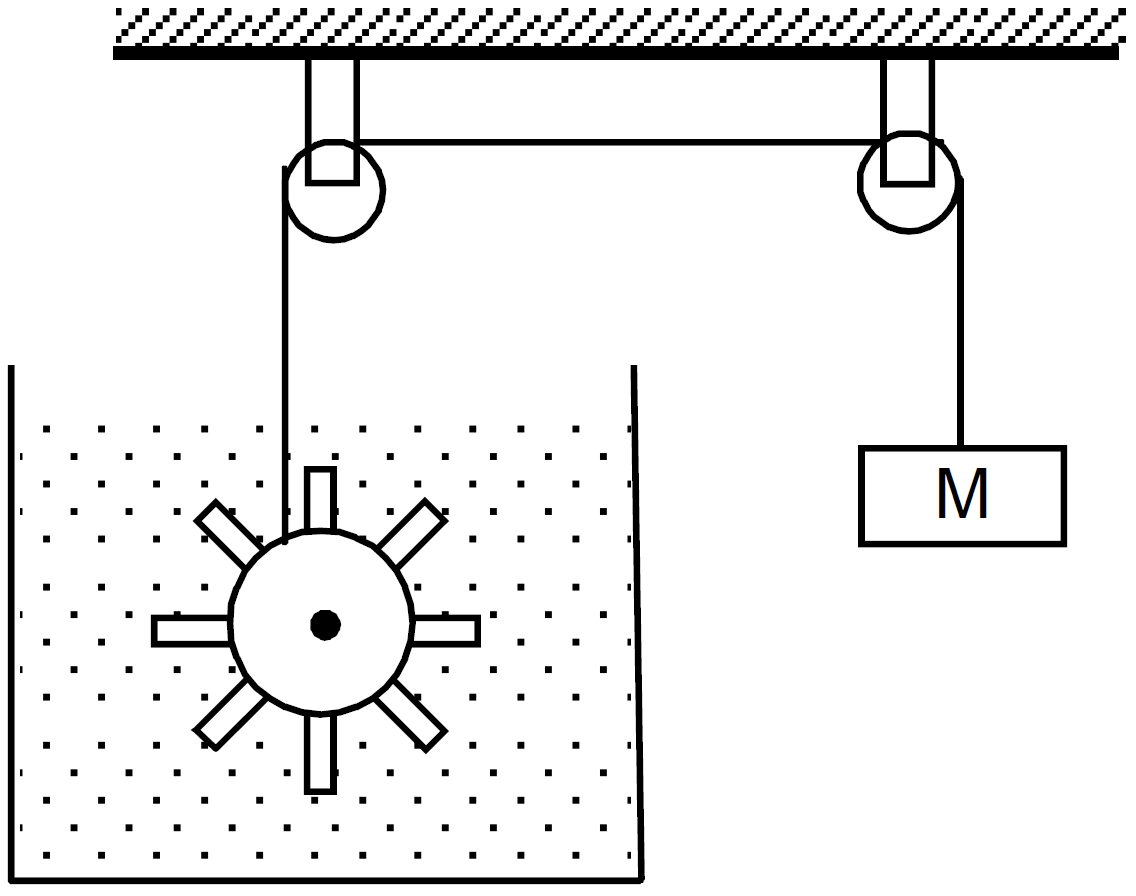
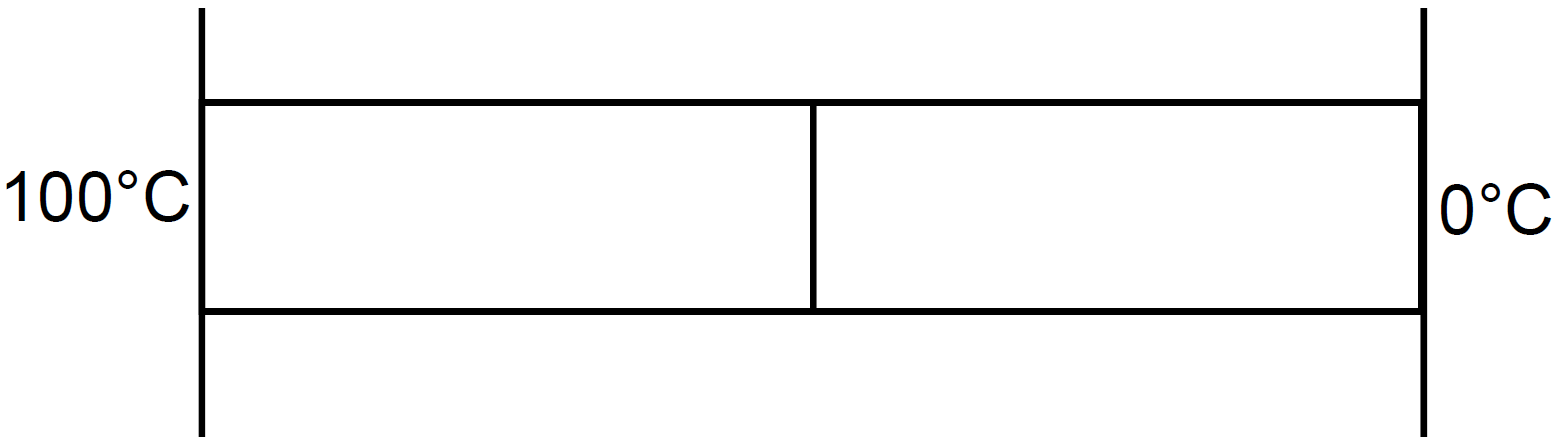
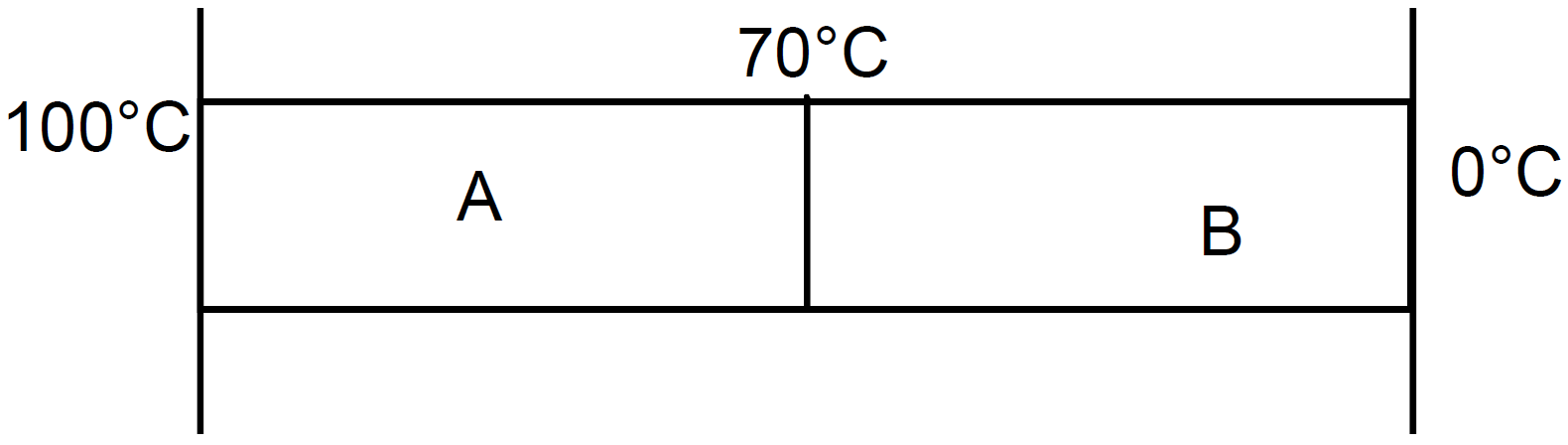 In case I: