Questions

1.5 Marks Questions

Take a timed test

46 questions · self-marked practice — reveal the answer and mark yourself.

Question 12 Marks
State the measures to prevent AIDS. ### Explain prevention of AIDS.
Answer
AIDS can not be cured, caution is the best option.
HIV infection which includes making blood (from blood banks) safe.
From HIV, ensuring the use of only disposable needles and syringes in public and private hospitals and clinics
Free distribution of condoms
Controlling drug abuse
Advocating safe sex and promoting regular check-ups for HIV in susceptible populations.
View full question & answer
Question 22 Marks
Explain vaccination and immunization.
Answer
The principle of immunisation or vaccination is based on the property of 'memory' of the immune system.
In vaccination, a preparation of antigenic proteins of pathogen or inactivated/weakened pathogen (vaccine) are introduced into the body.
The antibodies produced in the body against these antigens would neutralise the pathogenic agents during actual infection.
The vaccines also generate memory- B and T-cells that recognise the pathogen quickly on subsequent exposure and overwhelm the invaders with a massive production of antibodies.
If a person is infected with some deadly microbes to which quick immune response is required as in tetanus, we need to directly inject the preformed antibodies, or antitoxin (a preparation containing antibodies to the toxin).
Even in case of snakebites, the injection which is given to the patients, contains preformed antibodies against the snake venom. This type of immunisation is called passive immunization.
→Recombinant DNA technology has allowed the production of antigenic polypeptides of pathoges in bacteria or yeast.
Vaccines produced using this approach allow large scale production and hence greater availability for immunisation, e.g., hepatitis B vaccine produced from yeast. 


View full question & answer
Question 32 Marks
Short note: Pneumonia ### Explain the disease and their symptoms caused by haemophilus influenzae
Answer
→Pathogen: Streptococcus pneumonia and Haemophiles influenza
Spread through:
Droplets or aerosols released by an infected person through coughing or sneezing. Inhalation or by using the utensils of an infected person.
As a result of infection, the alveoli get filled with fluid leading to severe problem in respiration.
Symptoms:
Fever chills cough and headeche
In severe condition, the lips and fingers become gray to blue in color.
Treatment: Antibiotics
View full question & answer
Question 42 Marks
List the factors that affects our health?
Answer

Our health is affected by the following:
(1) Genetic Disorder: A child is born with a defect and the effects of defects which the child inherits from parents from birth.
(2) Infections
(3) Our way of life :Including the food we eat, the water we are drink, the rest and exercise we give the body, the habits we possess or lack.

View full question & answer
Question 62 Marks
Give the difference:
Answer
Active ImmunityPassive Immunity
1) Fast, and provides immune response 1)Slow and takes time to become effective
2) Antibodies are produced in the host body2) Ready-made antibodies are given to host
3) Provides immunological memory3) Does not provide immunological memory
4) Long lasting4) Short lived
View full question & answer
Question 72 Marks
Give the difference between Innate & Acquired Immunity.
Answer
Innate Immunity Aquired Immunity
1) Innate immunity includes all the defence elements with which an individual is born.1)The immunity which is acquired after the birth is called acquired immunity
2) It consists of various types of barriers that prevent the entry of foreign agents2)It consists of specialized cells (T-cells and B-cells) and antibodies that circulate in the body fluid
3) It remains throughout life.3)It can be short lived or life long.
View full question & answer
Question 82 Marks
Give the full name of the following.
Answer
MALT: Mucosal Associated Lymphoid Tissue
AIDS: Acquired Immuno Deficiency Syndrome
CMI: Cell Mediated Immunity
NACO: National AIDS Control Organization
HIV: Human Immunodeficiency Virus
View full question & answer
Question 92 Marks
Discuss with your teacher what does 'a suitable gene' means, in the context of DNA vaccines.
Answer
A suitable gene is a special DNA segment that can be injected into the host body to produce specific proteins. These specific proteins should be such that they can kill the particular disease- causing organism present in the host body.
View full question & answer
Question 102 Marks
Explain: Amoebiasis.
Answer
Amoebiasis (Amoebic dysentery): Pathogen is Entamoeba histolytica.
Mode of transmission : Houseflies (mechanical carriers) transmit parasites from faeces to food & water.
Symptoms: constipation, abdominal pain and cramps, stools with excess mucus and blood clots.

View full question & answer
Question 112 Marks
How does the study of biology help us to control infectious diseases?
Answer
Various advancements in the field of biology give us insight into how to fight various infectious diseases
With the use of biology, the life cycle of parasites, pathogens and disease carriers can be studied and measures can be taken to control them.
Infectious diseases like small pox, measles, tuberculosis can be controlled by vaccination.
With the help of biotechnology, new effective and safe drugs, antibiotics and vaccines can be prepared.
View full question & answer
Question 122 Marks
In your view what motivates youngsters to take to alcohol or drugs and how can this be avoided ?
Answer
There are many ways through which youngsters gets motivated toward alcohol and drugs.
Negative emotion: some youngsters start such consumption to overcome negative emotions like stress. Pressure or depression.
Motivation: Curiosity, need for adventure and excitement are initial cause of motivation.
Print Media: Movie, Newspaper, television etc. are responsible for promotion of use of drugs & alcohol.
Some times pressure and unstable & unsupportive family support is responsible for such uses.
Prevention of drugs & alcohol intake
(i) Communicate openly with the children, listen to their problems patiently and teach them how to handle the problems.
(ii) Take interest in children's activities and their friends circle.
(iii) This can be avoided by sharing our problems with our parents.
(iv) We should understand the bad effects of alcohols and should not took at alcohols as
a sign of greatness.
(v) There are many other ways to solve our problems other than alcoholic intake.
(vi) Youngsters should be taught about the moral values.
View full question & answer
Question 132 Marks
Why is that once a person starts taking alcohol or drugs, it is difficult to get rid of this habit? Discuss it with your teacher.
Answer
Psychological & physiological dependence of an individual to the intake of certain kinds of drugs and alcohol is called addiction. Once a person start taking alcohol & drugs, it is very difficult to get rid this habit because addiction drive people to take them even when these are not needed or even when their use becomes self destructive. With repeated use of durgs, the tolerance level of the receptors present in the body increases, consequently, the receptors responds only to higher doses of drugs or alcohol leading to greater intake and addiction. Thus, the addiction potential of drugs, alcohol, pull the user into a vicious circle leading to their regular used (abuse) from which he/she may not able to get out.
View full question & answer
Question 142 Marks
Do you think that friends can influence one to take alcohol/drugs? If yes, how may one protect himself/herself from such an influence?
Answer
Yes, friends can influence one to take drugs. Following measure can be taken :
(i) Avoiding measures peer pressure.
(ii) Not taking undue pressure of failures beyond its threshold.
(iii) Getting counselling from some counsellor
(iv) Seeking help from parents and peers
(v) Seeking medical help.
View full question & answer
Question 152 Marks
List the harmful effect caused by drug/ Stray alcohol abuse.
Answer
Harmful effect caused by alcohol
(i) Liver cirrhosis
(ii) It leads to gastric ulcers & gastritis
(iii) In chronic alcoholism, the axon of the nerve inflame thus causing neuritis.
(iv) Permanent damage to liver cells occur due to deposition of fats (cirrhosis).
Harmful effects caused by drug abuse are -
(i) Excessive doses of drugs may lead to coma & death due to respiratory failure, heart
(ii) Lack of interest in personal hygiene, withdrawal, isolation, depression, fatigue aggressive & rebellious behaviour etc.
(iii) It may cause serious infections like AIDS & hepatitis B, When someone takes drugs intravenously.
(iv) The adverse effects of drugs are manifested in the form of reckless behaviour, vandalism & violence.

View full question & answer
Question 162 Marks
How do cancer cells differ from normal cells?
Answer
Cell growth and differentiation is highly controlled and regulated which is lacking in cancerous cells
Normal cell shows a property- Contact inhibition- inhibits uncontrolled growth
Cancer cells appear to have lost this property. As a result of this, cancerous cells just continue to divide giving rise to masses of cells called tumors.
View full question & answer
Question 172 Marks
Write the mechanism of action of HIV infection?
Answer
Mechanism of action/replication of HIV:
1) HIV (Human Immunodeficiency virus) is an RNA virus
Its structure includes identical RNA strands, reverse transcriptase which are enclosed in protein coat.
Target cell of HIV- Macrophage & Helper T- lymphocyte (TH).
HIV first binds to the receptor on host macrophage where fusion of HIV takes place.
HIV RNA/ viral RNA- released in cytoplasm which undergoes reverse transcription with Reverse transcriptase enzyme- HIV DNA/ viral DNA.
Viral DNA enters host nucleus & integrates with host DNA transcription- new viral RNA forms viral genome & some translates in cytoplasm to new viral proteins.
Viral proteins & RNA- moves to surface of cell & buds off as new HIV.
They target helper T-lymphocyte- replicates & produce progeny virus- reduces helper T- lymphocytes.
View full question & answer
Question 182 Marks
Mention the mode of transmission of HIV. ### What are the various routes by which transmission of human immunodeficiency virus takes place.
Answer
Modes of Transmission of HIV infection:
(a) sexual contact with infected person.
(b) transfusion of contaminated blood and blood products
(c) sharing infected needles as in the case of intravenous drugs abusers
(d) from infected mother to her child through placenta.
View full question & answer
Question 192 Marks
What are the various public health measures, which you would suggest as safeguard against infectious diseases ?
Answer
Health measures as a safeguard against infectious diseases. The public health measures that can be taken be avoid infectious are as follows:
→The populations should be vaccinated timely against infectious disease and properly so that they don't develop diseases.
→Everybody should be educated or made aware of infectious diseases so that they can protect themselved from them.
→Public sanitation measures is good for avaoiding infectious diseases. We should maintain cleanliness in our surroundings. One should also maintain cleanliness and consume only clean drinking water and contamination-free fruits and vegetables.
→The vectors of diseases must be eradicated by destroying the breeding sites of many vectors.
View full question & answer
Question 202 Marks
What is active immunity?
Answer
Active immunity:
It is the immunity in which antibodies are produced in a host body when the host is exposed to antigens (e.g. living or dead microbes or other proteins). It is a slow process. It is produced in two ways:
(a) Natural Active Immunity :
It is developed during natural infection by microbes.
(b) Artificial Active Immunity :
It is developed by injecting the microbes deliberately during immunization.
View full question & answer
Question 212 Marks
Explain autoimmunity.
Answer
In higher lineages, memory-based acquired immunity is based on the ability to distinguish between self and non self (pathogens), which can be understood from two principles:
→Higher order lineages can differentiate into individual cells as well as individual organisms.
→Much of experimental immunology runs on this aspect.
→Sometimes due to genetic or other unknown reasons, the body attacks its own cells, resulting in damage to the body, which is called an auto- immune disease.
→Example :
→Gout (rheumatoid arthritis).
View full question & answer
Question 222 Marks
What is innate immunity? Explain its various barriers
Answer
Innate immunity is non-specific immunity, which is present at the time of birth.
1) Physical barrier
2) Physiological barrier
3) Cellular Barrier
4) Cytokine barrier
View full question & answer
Question 232 Marks
What is allergy? Discuss in detail about allergies?
Answer
An exaggerated response of the immune system to certain antigens present in the environment is called allergy.
Allergens Substances causing allergy are called Allergens. e.g. Dust mites, pollen, animal dung etc. are common examples of allergens.
View full question & answer
Question 242 Marks
State the symptoms of AIDS.
Answer
There is a time-lag (from few months to 5-10 years) between the infection and apperance of symptoms.
During this period person suffers from fever, diarrhoea and weight loss.
Due to deficiency of TH cells, he may be infected with mycobacterium, viruse, fungi & parasite like Taxoplasma.

View full question & answer
Question 252 Marks
State the diagnosis and treatment of AIDS.
Answer
Diagnosis
Diagnostic test for AIDS- Enzyme Linked Immuno-Sorbent Assay (ELISA).
Treatment of AIDS
Treatment of AIDS with anti-retroviral drugs- partially effective
Drugs can only prolong the life of the patient but can not prevent death, which is inevitable.
View full question & answer
Question 262 Marks
What is passive immunity?
Answer
Passive immunity:
Here, readymade antibodies are directly given to the body. It is of two types:
(a) Natural Passive Immunity :
→E.g. Antibodies (IgG) from mother Placenta Foetus
Antibodies (IgA) in colostrum - infants
→(b) Artificial Passive Immunity :
→E.g. Anti-tetanus serum (ATS)
View full question & answer
Question 272 Marks
State the types of acquired immunity?
Answer
There are 2 types of acquired immunity :
(1) Antibody mediated (B-cell based)
(2) Cell Mediated Immunity (CMI) (T-cell based)
View full question & answer
Question 282 Marks
What measures will you take to prevent the spread of water borne diseases?
Answer
→Water borne diseases:
Cholera, Typhoid, Amoebiasis, Ascariasis etc.
→Measures to prevent spread :
Reservoirs, pools, cess pools, tanks etc. should be periodically cleaned and kept clean.
Purification of waste water through sewage plant. 
→Chlorination of water and use as drinking water.
View full question & answer
Question 292 Marks
Mention the effects of smoking on human health
Answer
It contains alkaloid nicotine which is a stimulant and toxin.
Nicotine stimulates adrenal gland to release adrenaline & nor-adrenaline which increases blood pressure & heart rate.
Smoking of tobacco increases chances of lung cancer, bronchitis, emphysema, coronary heart diseases, cancer of throat, gastric ulcer, cancer of urinary bladder etc.
Chewing of tobacco causes oral cancer. Tobacco is usually chewed or smoked or used as snuff.
Smoking of tobacco also increases carbon monoxide content of blood & reduces concentration of haem-bound oxygen which causes oxygen deficiency in the body.
View full question & answer
Question 302 Marks
Once a person starts taking alcohol or drugs, why is it difficult to quit?
Answer
Consumption of alcohol or drugs is intuitively addictive in nature, it increases euphoria and provides temporary euphoria.
Repeated use of drugs increases the tolerance score of the body's sensitizers and leads to more and more drug use.
View full question & answer
Question 312 Marks
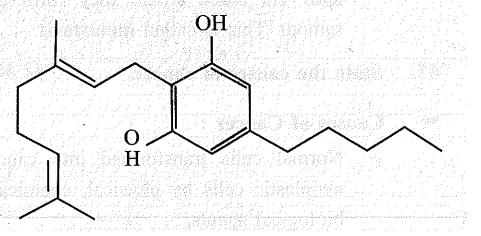
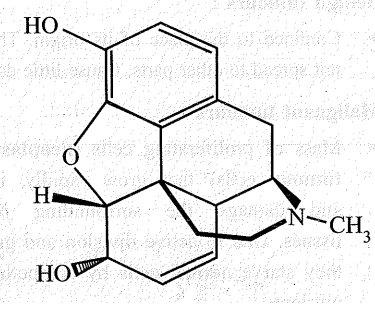
Draw the chemical structure of molecule of morphine and cannabinoids.
Answer
Chemical structure of morphine: (C17H19NO3)  molecule

Image
Cannabinoids : (C21H30o2) Chemical structure of the molecule
Image
View full question & answer
Question 322 Marks
Give information about cocaine drug.
Answer
Coca is obtained from the South American plant called Coca Alkaloids/ Cocaine. (Cocaine also called coke or crack Erythroxylan coca).
Interferes with the transport of neurotransmitter, dopamine
Cocaine also called coke or crack which is taken by inhalation (nasal).
Stimulates CNS & induces euphoria & increased energy.
Suppresses appetite and induces insomnia as well as hallucinations in excess.
Cocaine abuse can cause persistent headaches, physical stress and convulsions, or death from cardiac arrest or respiratory failure.
View full question & answer
Question 332 Marks
Write about treatment of Cancer.
Answer
Surgery, radiation therapy and immunotherapy are commonly used to treat cancer.
→In radiation therapy, the tumor is treated with lethal radiation, but care is taken not to injure the surrounding normal cells. 
Some chemotherapy drugs (chemotherapeutic drugs) are used to kill cancer cells. Some of these drugs are specific for specific tumors.
Most medicines have side effects like hair loss, anaemia etc.
Most cancers are treated by combination of surgery, radiotherapy and chemotherapy.
Immunotherapy - involves use of biological response modifier like a-interferon which activates immune system to detect the cancer cells & destroy them.
View full question & answer
Question 342 Marks
What public awareness measures do you suggest to protect against communicable diseases?
Answer
The following measures can be taken for awareness of infectious diseases:
→People should be given knowledge about infectious diseases, so that they can protect themselves against infectious diseases.
→Vaccines for infectious diseases should be taken at the right time
→Personal hygiene and community hygiene prevent the spread of infectious diseases.
→Control and destruction of fixed vectors and their breeding sites is essential.
→Water should not be allowed to accumulate in and around residential areas.
View full question & answer
Question 352 Marks
What can we do as individuals to prevent and control many infectious diseases?
Answer
Keeping the body clean in personal hygiene; Pure water for drinking; Attention should be paid to the consumption of food, vegetables etc.
Proper disposal of waste and excreta in public sanitation, periodic cleaning and keeping clean of reservoirs, cisterns, wells, tanks etc.
Avoid close contact with an infected person and the things used by them.
Disease vectors and their breeding places should be controlled and destroyed.
Using Gambusia fish that eat mosquito eggs in stagnant water.
View full question & answer
Question 362 Marks
Advancement in biology have given us effective efforts to combat many infectious diseases. - Explain in brief.
Answer
Due to programs like vaccination and immunization, deadly diseases like smallpox have been eradicated (erased). With the use of vaccines, many infectious diseases like polio, diphtheria, pneumonia and tetanus have been controlled to a great extent.
→New and safer vaccines have been developed through biotechnology.
→Ability to effectively treat infectious diseases through research into antibiotics and other drugs.
View full question & answer
Question 372 Marks
Short note: Ringworm
Answer
→Pathogen: Fungi- like Microsporum, trichophyton, Epidermophyton.
Spread through :
This fungus is usually spread through soil or through the use of towels, clothes or combs of an infected person.
Symptoms:
It appears as dry, scaly lesions on various parts of the body like skin, nails and scalp etc.
Such lesions are intensely itchy.
A warm and moist environment in areas such as folded skin, thighs and toes encourages the growth of fungus.
View full question & answer
Question 382 Marks
What is a disease? which groups are diseases classified into? Explain with example.
Answer
When the functions of one or more organs or systems of the body are adversely affected, due to which various signs or symptoms are observed. It is called a disease.
→When we say that we are not healthy, that means we are sick.
→Diseases are mostly divided in to groups like infectious and non-infectious or communicable or non-communicable.
Communicable diseases: Diseases that can be transfered/spread easily from one person to another are called communicable diseases. Infectious diseases are common but some infectious diseases such as AIDS are fatal.
→Non-communicable diseases:
Diseases which can not be spread from one person to another are called non-communicable diseases.
Cancer is a non-communicable disease, but it is a main reason of death.
Consumption of intoxicating substances and alcohol also adversely affects our health.
View full question & answer
Question 392 Marks
Give information about Opium.
Answer
Opium is a caffeic substance that binds to specific receptors present in the central nervous system and gastrointestinal tract.
Opium is a dry latex obtained by incising the unripe pods of the opium poppy plant (Papaver sominiferum).
The drugs morphine and codeine are derived from opium.
Morphine is a well-known sedative & pain- killer & used to reduce pain after surgery.
It also acts on the neurons in the cerebellum and relieves the body from pain by inhibiting pain. It acts as a stimulant.
Codeine, another alkaloid derived from opium, is an analgesic. Often used in cough syrups, it calms the process.
Used to prevent tension in the stomach and intestines.
→Heroin (smack):
Chemically diacetyl morphine
Bitter, white, odorless, crystalline compound
Obtained by acetylation of morphine
Taken by snorting & injection
Acts as depressant & slows down body function.
View full question & answer
Question 402 Marks
Give information about Cannabinoids.
Answer
Chemicals which interact with cannabinoid receptors present in brain.
Natural cannabinoids-obtained frominflorescence of Cannabis sativa.
Marijuana, hashish, ganja and charas- produced by various combination of flower tops, leaves & resins of Cannabis plant.
The main active ingredient in the Merijuana plant is a Delta-9 tetrahydro cannabinol [THC].
When merijuana medicine is taken, the pupil of the eye becomes dilated.
Increases urine production and increases blood sugar levels and affects the circulatory system of the body.
These medicines are usually taken by inhalation & oral ingestion.
View full question & answer
Question 412 Marks
Explain detection and diagnosis of cancer.
Answer
→Detection of Cancer:
→Biopsy and histopathological study
(a) Tissue and blood and bone marrow tests for increased cell counts (leukemias);
(b) Biopsy of a piece of the suspected tissue cut into thin sections is stained and examined under microscope (histopathological studies) by a pathologist.
→Radiography like X-rays, CT (computerized tomography)
(a) CT Scan :Computed tomography uses X-rays to generate a three-dimensional image of the internals of an object.
(b) Used to detect cancers of the internal organs.
(c) MRI (magnetic resonance imaging) uses strong magnetic fields and non-ionizing radiations to accurately detect pathological and physiological changes in the living tissue.
Use of antibodies against cancer - specific antigen

View full question & answer
Question 422 Marks
Give information about some hallucinogenic drugs.
Answer
Stimulate CNS & induce euphoria and high doses induce hallucinations.
Products from plants like Atropa belladona & Datura spp. are hallucinogenic
LSD (Lysergic acid Diethylamide)-obtained from fungus, barbiturates, amphetamines, benzodiazepines- treat mental
illnesses like depression and insomnia.
Abusede They are used medicinally, but these drugs are abused, which is harmful
Barbiturates sedative synthetic drugs known as sleeping pills.
Amphetamines are stimulants, often used by individuals to keep them awake at night.
LSD (Lysergic acid Diethylamide) basically a common hallucinogen and a very powerful mind-altering chemical.
Herbs, fruits and seeds with hallucinogenic properties have been used for years in folk medicine, religious festivals and rituals around the world.
If these substances are used in large quantities, interference is created in the physical or mental functions.
View full question & answer
Question 432 Marks
Short note on: Typhoid
Answer
→Pathogen: Salmonella typhi
Spread through:
contaminated food-water
Signs/symptoms:
Persistent high fever (39°C to 40°C)
→Weakness, abdominal pain, constipation, headache and loss of appetite.
→In severe cases intestinal perforation and sometimes death are possible.
→Diagnosis:
Widal test
→Treatment:
Antibiotics
View full question & answer
Question 442 Marks
What is health? What is important to maintain good health?
Answer
Health is not the 'absence of disease' or 'physical well-being' but health is being physically, mentally and socially healthy. Health is increased life expectancy, as well as reduced infant and maternal mortality.
→When people are healthy, they can work more efficiently.
A balanced diet, personal hygiene and regular exercises also help to maintain good health is important.
Yoga has also been practiced since ancient times to achieve physical and mental health.
Awareness of diseases and their effects on various functions of the body, vaccination against communicable diseases, proper disposal of excreta, control of vectors and maintenance of hygienic food and water supply etc are essential for attaining good health.
View full question & answer
Question 452 Marks
State the causes of cancer.
Answer
→Causes of Cancer:
Normal cells transformed into cancerous neoplastic cells by physical, chemical and biological agents.
→These agents are called carcinogens.
→Physical agents:
ionizing radiation like X-rays, gamma rays, non-ionizing radiations like UV-rays.
→Chemical agents: Tobacco smoke, sodium azaide, Methyl ethane sulphonate.
→Biological agents:
Cancer causing viruses called oncogenic viruses have a gene called viral oncogenes, induce transformation of neoplastic cells.
Cellular oncogenes (c-onc) or proto oncogenes in normal cells, when activated lead to oncogenic transformation of the normal cells.
View full question & answer
Question 462 Marks
Short note: Common cold
Answer

→Pathogen: Rhino virus and some other viruses.
→Spread through:
Droplets resulting from cough and sneeze of an infected person are either inhalated director transmitted through pen, book, glass, door handle, computer keyboard or mouse etc.
Rhino virus infects the nose and respiratory tract, but does not infect the lungs.
Symptoms:
Nasal congestion and discharge, dry throat, runny nose, cough, headache, fatigue etc.
These symptoms are observed for three to seven days.

View full question & answer