Questions

[3 Marks Each] QUE-ANS

Take a timed test

19 questions · self-marked practice — reveal the answer and mark yourself.

Question 13 Marks
You are provided with the following materials-turmeric, honey, mustard oil, water, glucose, rice flour, groundnut oil.
Make any three pairs of substances where one substance is soluble in the other and any three pairs of substances where one substance remains insoluble in the other substances.
Answer
Substances which are soluble:
  • Honey in water.
  • Glucose in water.
Groundnut oil in mustard oil substances which are insoluble:
  • Turmeric in water.
  • Rice flour in water.
  • Mustard oil in water.
View full question & answer
Question 23 Marks
Write any four properties of materials.
Answer
Four properties of materials are:
  1. Appearance.
  2. Hardness.
  3. Solubility or insolubility.
  4. Float or buoyancy.
  5. Transparency.
View full question & answer
Question 33 Marks
List five objects that are made from an opaque material.
Answer
  1. Books.
  2. Blackboard.
  3. Cardboard.
  4. Wall.
  5. Wooden furniture.
View full question & answer
Question 43 Marks
Define soluble, insoluble substances and solubility.
Answer
The substances which dissolves in water are called soluble substances. For example: Salt, sugar, milk, etc. The substances which do not dissolve in water are called insoluble substances. For example: Chalk powder, sand, stone, etc. The property of substance due to which it dissolves in water is called solubility.
View full question & answer
Question 53 Marks
On what basis are the various objects grouped?
Answer
The grouping of various objects can be done on the basis of following characters:
  • Size.
  • Shape.
  • Colour.
  • Hardness.
  • Solubility in water.
  • Attraction towards magnet.
  • Conduction of heat.
  • Transparency, etc.
View full question & answer
Question 63 Marks
What is the need for classification?
Answer
Classification is essential for:
  1. Identification of objects.
  2. Sorting of objects.
  3. Lozating things.
  4. Understanding similarities and dissimilarities among objects.
  5. Making the study of objects easy and more meaningful.
View full question & answer
Question 73 Marks
Why do you think oxygen dissolved in water is important for the survival of aquatic animals and plants?
Answer
Oxygen gas dissolves in water i.e. oxygen gas is soluble in water. The plants and animals which live in water use the oxygen dissolved in water for respiration. Thus, oxygen gas dissolved in water is very important for the survival of animals and plants that live in water.
View full question & answer
Question 83 Marks
Arrange the jumbled words to arrive at the appropriate names of materials and also write two uses of each.
  1. Milaunuim.
  2. Tcaslpi.
  3. Soekrnee.
  4. Gavnier.
Answer
Arrangement of the words and their uses are as follows:
  1. Aluminium It is used in foil, aircrafts, etc.
  2. Plastic It is used in making bucket, pencil box, etc.
  3. Kerosene It is used as a fuel, solvent, etc.
  4. Vinegar It is used in food ingredient, preservative, etc
View full question & answer
Question 93 Marks
It was Paheli’s birthday. Her grandmother gave her two gifts made of metals, one old dull silver spoon and a pair of lustrous gold earrings. She was surprised to see the difference in the appearance of the two metals. Can you explain the reason for this difference?
Answer
Gold metal does not lose its shine or luster when exposed to atmosphere. So gold ornaments look new even after several years of use. Actually, gold metal is highly unreactive metal which remains unaffected by air, water and other gases in the atmosphere whereas silver metal on long exposure to moist air loses its shine and becomes dull. That why old silver spoon was giving dull appearance.
View full question & answer
Question 103 Marks
Which among the following materials would you identify as soft materials and why?
Ice, rubber band, leaf, eraser, pencil, pearl, a piece of wooden board, cooked rice, pulses and fresh chapati.
Answer
Materials which can be compressed, cut, bent (moulded) or scratched easily are called soft materials.Rubber band, leaf, eraser, cooked rice and fresh chapati are soft materials because they can be compressed, cut, bent or scratched easily.
View full question & answer
Question 113 Marks
List five objects that are made from transparent materials.
Answer
  1. Beaker.
  2. Test tube.
  3. Conical flask.
  4. Glass jug.
  5. Glass doors.
View full question & answer
Question 123 Marks
Sugar, salt, mustard oil, sand, sawdust, honey, chalk powder, petals of flower, soil, copper sulphate crystals, glucose, wheat flour are some substances given to Paheli. She wants to know whether these substances are soluble in water or not. Help her in identifying soluble and insoluble substances in water.
Answer
Substances which completely dissolve in water are soluble in water. Substances soluble in water are sugar, salt, honey, copper sulphate crystals, glucose. Substances which does not dissolve in water are insoluble in water. Substances insoluble in water are mustard oil, sand, sawdust, chalk powder, petals of flower, soil, wheat flour.
View full question & answer
Question 133 Marks
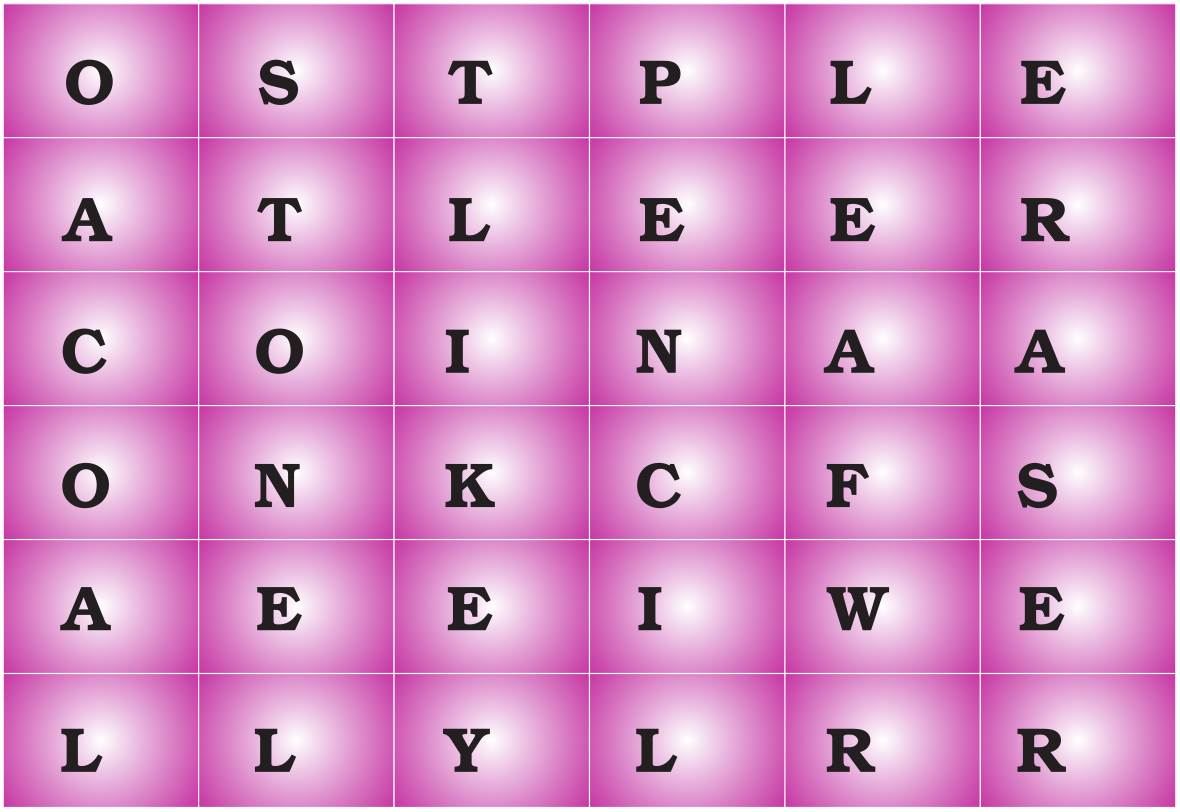
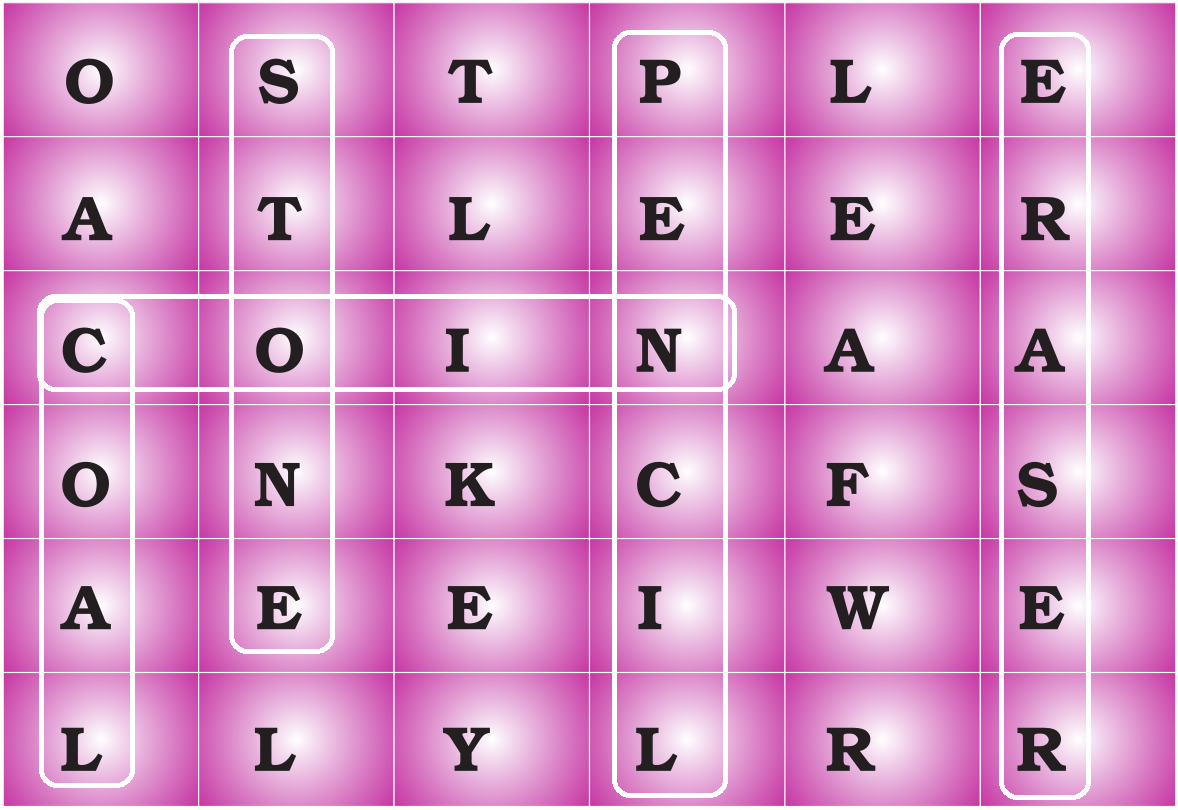
Pick five objects from the word box given as which are opaque and would sink in water.
Answer
Name of the objects, which are opaque and would sink in water are:
  1. Coal
  2. Stone
  3. Pencil
  4. Eraser
  5. Coin
View full question & answer
Question 143 Marks
Differentiate among opaque, translucent and transparent materials, giving one example of each.
Answer
Opaque Those materials through which we cannot see at all are called opaque materials, e.g. Car board. Translucent Those materials through which we cannot see clearly are called translucent materials, e.g. Butter paper. Transparent Those materials through which we can see clearly are called transparent materials e.g. Glass.
View full question & answer
Question 153 Marks
On a bright sunny day, Shikha was playing hide and seek with her brother. She hid herself behind a glass door. Do you think her brother will be able to locate her. If yes, why? If no, why not?
Answer
Yes, her brother can easily locate her because glass door is a transparent material. The transparent materials allow almost all the light to pass through them due to which the object or person behind them can be seen clearly.
View full question & answer
Question 163 Marks
Classify the following as transparent or translucent or opaque material.
Cardboard, glass, water, oily paper, wood, stone, metal.
Answer
Transparent: Glass, water.
Translucent: Oily paper.
Opaque: Cardboard, wood, stone, metal.
View full question & answer
Question 173 Marks
Chalk, iron nail, wood, aluminium, candle, cotton usually look different from each other. Give some properties by which we can prove that these materials are different.
Answer
We can differentiate these materials on the basis of lustre, hardness, softness, roughness or smoothness.
Material
Properties
Chalk
Rough on the surface, cannot be compressed.
Iron nail
Shine (lustre), hard
Aluminium
Shine (lustre), hard
Wood
Shine (lustre), hard
Candle
Soft to compress
Cotton
Soft to compress
View full question & answer
Question 193 Marks
Name the various materials from which following things can be made:
Shoes, chair, coins, utensils, clothes.
Answer
  • Shoes: Leather, rubber, plastic, canvas
  • Chair: Wood, metal, plastic, concrete
  • Coins: Copper, silver, gold
  • Utensils: Iron, copper, aluminium
  • Clothes: Cotton, wool, silk, rayon, nylon.
View full question & answer