Question
Classify the following:
Xerarch, Epipelagic, Hydrosere, Sublittotral, Intertidal, Benthic.
PhenomenaExamples
(1) Stratification————–
(2) Zonation—————
(3) Succession————–

Answer

PhenomenaExamples
(1) Stratification(a) Epipelagic, Benthic
(2) Zonation(b) Sublittotral, Intertidal
(3) Succession(c) Xerarch, Hydrosere

Need a full question paper?

Generate a complete, print-ready paper with questions like this in minutes — across 16+ boards, with answer keys.

Start Generating Free

Similar questions

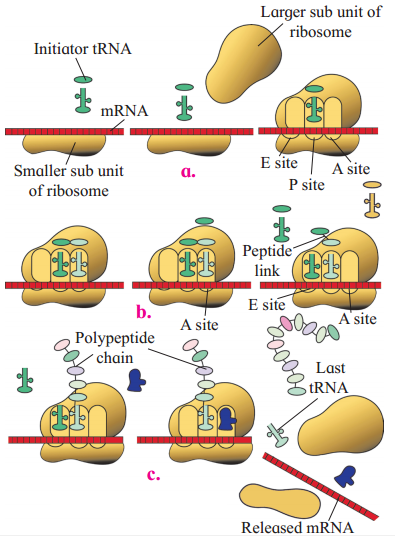
Observe the diagrams (a), (b) and (c)
1.Which step of protein synthesis is shown in the following diagrams?
2.During initiation, which subunit of ribosome binds with m-RNA?
3.What are the three binding sites for t-RNA on ribosomes?
4.On which site of ribosome second and subsequent t-RNA arrives?
5.Which link is binding amino acids in diagram (b)?
6.Which chain is being released from ribosome in diagram (c) ?
Image
Enlist the names of following cranial nerves : III, W VI, XI
Genetic Disorders
[Turner’s syndrome, Sickle-cell anaemia, Thalassemia, Edward’s syndrome, Klinefelter’s syndrome, Down’s syndrome]
Column AColumn B
 (A) Autosomal disorder —————–
 (B) Sex chromosomal disorder —————–
 (C) Mendelian disorder —————–
Classify the given plant hormones as their specific effect observed in plants in Column A and complete Column B.
(ABA, GA, Ethylene, Kinetin)
Column AColumn B
(1) Bolting of rosette plants————
(2) Epinasty————
(3) Closure of stomata————
(4) Proliferation of callus————
Complete the table
Plasmodium speciesIncubation periodPattern of fever 
————————–High fever after 48 hours.
————–28 days————–
————–17 days————-
————————-High fever at irregular intervals between 22 to 48 hours.
Waves on ECGHeart ActivityCaused due to
P waveAtrial contraction—————-
QRS wave—————–Ventricular depolarization
T wave—————–Ventricular repolarization
Epiphytic orchid and mango tree, Ascaris and human, Egret and cattle, Lichen having alga and fungus, Bumblebee and flowering plant, Plasmodium vivax and man.
Column AColumn B
(1) Mutualism————–
(2) Commensalism—————
(3) Parasitism————–
Complete the following table by placing the categories and the given signs + : Benefited ; – : Inhibited ; 0 : Not affected
InteractionsSpecies
AB
1. Neutralism – …………………..
2. Negative interactions …………………………
3. Positive interactions …………………….
4. Both positive and negative interactions …………………………..
Classify the following:
Hormones: Estrogen, Glucagon, Epinephrine, Relaxin, Somatostatin, Nor-Adrenalin
Column AColumn B
(1) Ovary ————
(2) Pancreas————
(3) Adrenal Medulla————
Classify the following:
Estuarine waters, Taiga, Aquarium tank, Lake, Evergreen forest, Flower garden.
Types of ecosystemsExamples
(1) Aquatic————–
(2) Terrestrial—————
(3) Artificial————–