Question

Complete the table-Related to outbreeding devices.

TypeDescriptionExample
1. ————Unisexual flowers/Monoecious or dioecious plantsPapaya, Maize
2. ————Mechanical device to prevent Self-Pollination – Natural physical barrier—————-
3. Prepotency——————–Apple
4.Heteromorphy——————–Primula
5. ProtandryAndroecium matures earlier than gynoecium—————-

Answer

TypeDescriptionExample
1. UnisexualityUnisexual flowers/Monoecious or dioecious plantsPapaya, Maize
2. HerkogamyMechanical device to prevent Self-Pollination – Natural physical barrierCalotropis
3. PrepotencyPollens of other flower germinate rapidly rather than from sameApple
4.HeteromorphyPresence of different forms of flowers with respect to Stigma and anthersPrimula
5. ProtandryAndroecium matures earlier than gynoeciumSunflower disc florets

Need a full question paper?

Generate a complete, print-ready paper with questions like this in minutes — across 16+ boards, with answer keys.

Start Generating Free

Similar questions

Complete the following table:
OrganismDiploid chromosome number
Mouse————-
Fruitfly————
Roundworm————-
Yeast————–
Complete the table.
Number Type No. of Pairs Region
———— Cervical ————- —————
$T_1– T_{12}$ ————- $12$ pairs ————-
$L_1 – L_5$ ————- $5$ pairs Lower back
————- Sacral ————- Pelvic
————– Coccygeal ————— Tall region
Enlist the names of following cranial nerves : III, W VI, XI
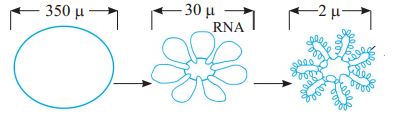
(1) Identify A, B and C.
(2) What are their sizes?
Image
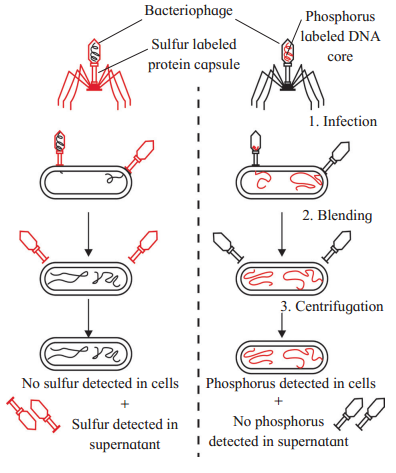
Identify A, B, C and name the scientists who carried out the experiment given in the diagram.

Image

Complete the following table
Action ReflexVoluntary
1. Optic nerve———–———–
2. Facial———–————
3. Hypoglossal————————–
4. Trigeminal———–————
5. Auditory  
6. Glosso-pharyngeal 
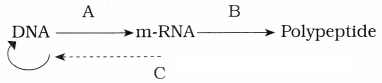
Identify A, B and C in the following diagram.
Image
Genetic Disorders
[Turner’s syndrome, Sickle-cell anaemia, Thalassemia, Edward’s syndrome, Klinefelter’s syndrome, Down’s syndrome]
Column AColumn B
 (A) Autosomal disorder —————–
 (B) Sex chromosomal disorder —————–
 (C) Mendelian disorder —————–
Classify the following:
Xerarch, Epipelagic, Hydrosere, Sublittotral, Intertidal, Benthic.
PhenomenaExamples
(1) Stratification————–
(2) Zonation—————
(3) Succession————–
Epiphytic orchid and mango tree, Ascaris and human, Egret and cattle, Lichen having alga and fungus, Bumblebee and flowering plant, Plasmodium vivax and man.
Column AColumn B
(1) Mutualism————–
(2) Commensalism—————
(3) Parasitism————–