Question
Define aluminothermy.

Answer

In aluminothermy reduction of metal oxide take place by aluminium. In it concentrated oxide ore and aluminium powder commonly called thermite is taken in a steel crucible and ignited. Large amount of heat released during reduction fuses both alumina and metal.

Need a full question paper?

Generate a complete, print-ready paper with questions like this in minutes — across 16+ boards, with answer keys.

Start Generating Free

Similar questions

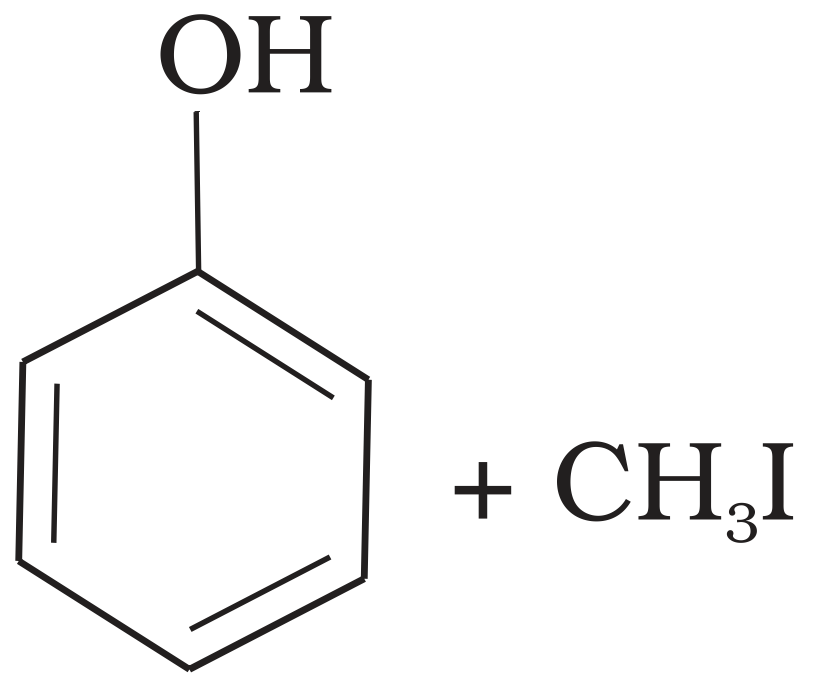
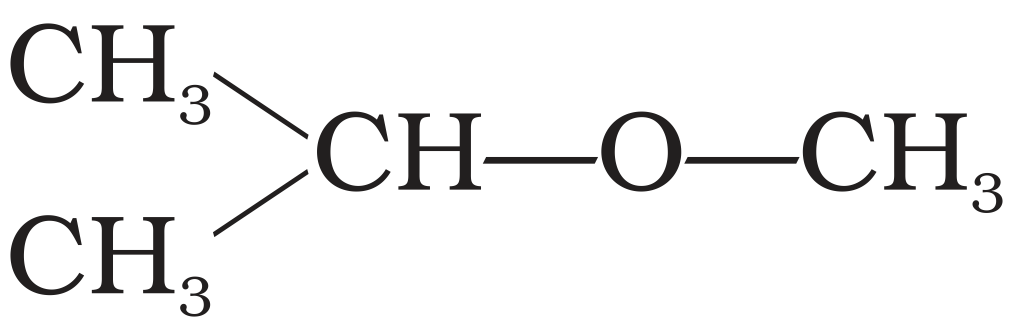
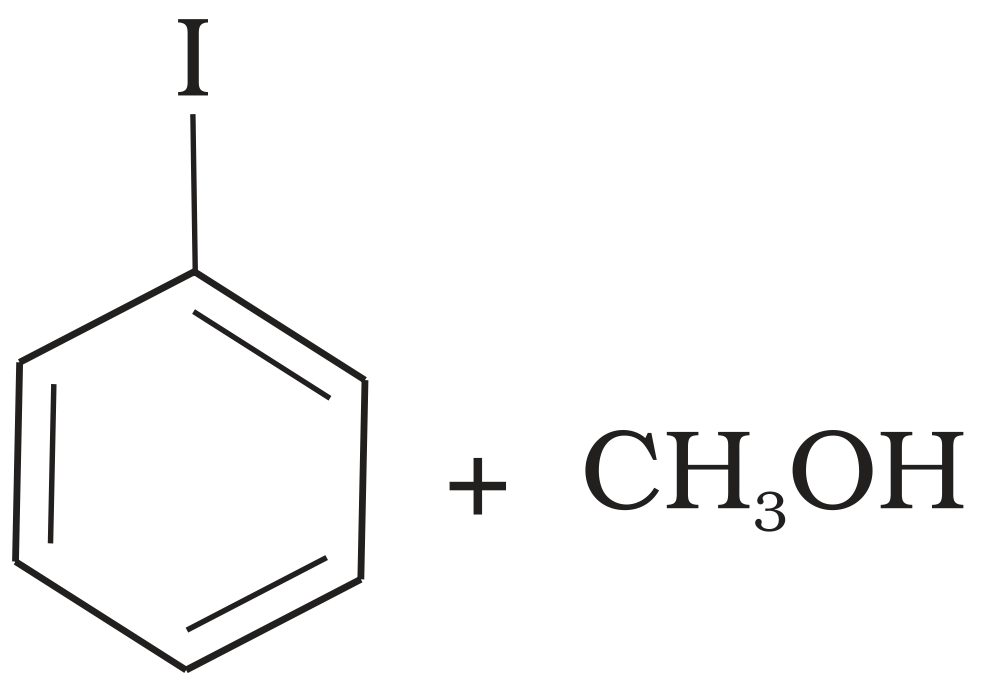
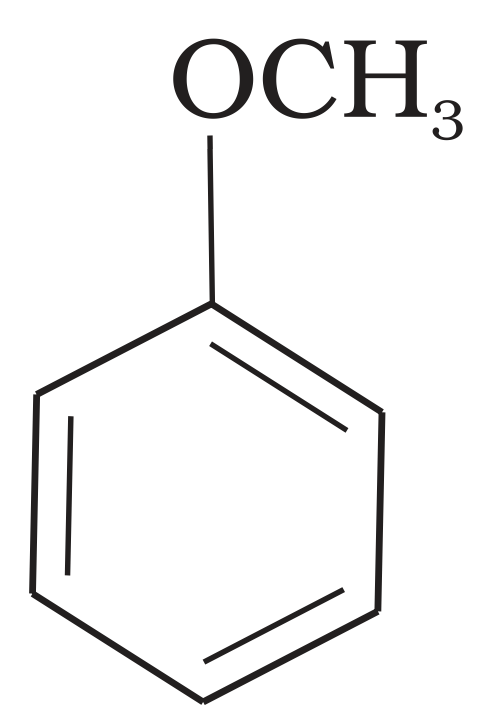
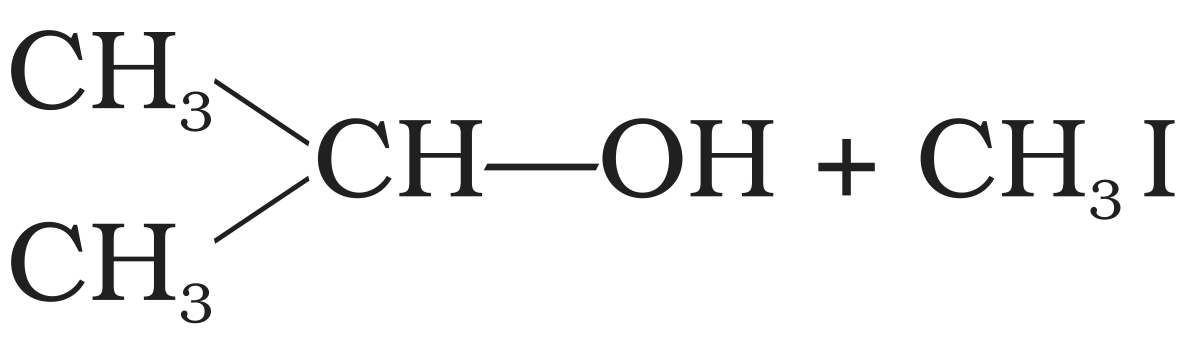
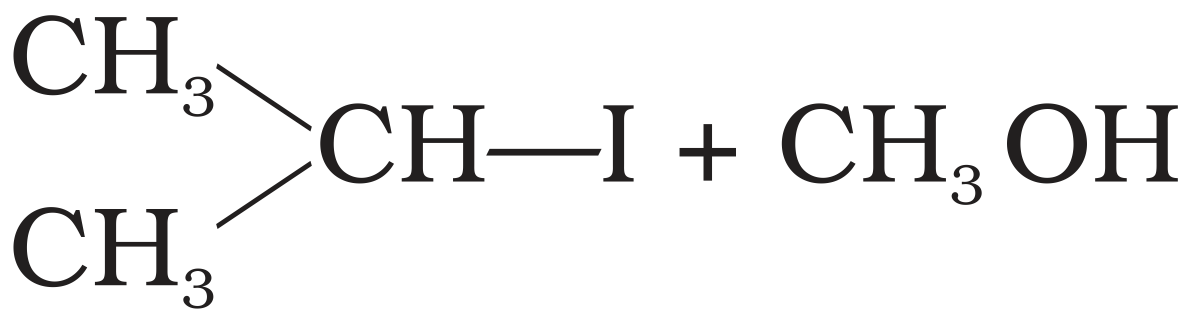
Match the starting materials given in Column $I$ with the products formed by these $($Column $II)$ in the reaction with $II.$
 
Column $I$
 
Column $II$
$(i)$ $CH_3-o-CH_3$ $(a)$
$(ii)$
$(b)$
$\ \ \ \ \ \ \ \ \ \ \ \ \ \text{CH}_3 \\ \ \ \ \ \ \ \ \ \ \ \ \ \ \ | \\ \text{CH}_3-\text{C}-\text{I}+\text{CH}_3\text{OH} \\ \ \ \ \ \ \ \ \ \ \ \ \ \ \ | \\ \ \ \ \ \ \ \ \ \ \ \ \ \ \text{CH}_3$
$(iii)$
$\ \ \ \ \ \ \ \ \ \ \ \ \ \text{CH}_3 \\ \ \ \ \ \ \ \ \ \ \ \ \ \ \ | \\ \text{H}_3\text{C}-\text{C}-\text{O}-\text{CH}_3 \\ \ \ \ \ \ \ \ \ \ \ \ \ \ \ | \\ \ \ \ \ \ \ \ \ \ \ \ \ \ \text{CH}_3$
$(c)$
$(iv)$
$(d)$ $CH_3-OH + CH_3-I$
 
 
$(e)$
 
 
$(f)$
 
 
$(g)$
$\ \ \ \ \ \ \ \ \ \ \ \ \ \text{CH}_3 \\ \ \ \ \ \ \ \ \ \ \ \ \ \ \ | \\ \text{CH}_3-\text{C}-\text{OH}+\text{CH}_3\text{I} \\ \ \ \ \ \ \ \ \ \ \ \ \ \ \ | \\ \ \ \ \ \ \ \ \ \ \ \ \ \ \text{CH}_3$
(a) Examples of neutral ligands with special names.
(b) How are positive ligands named? Explain.
Write a note оп formation of amine compounds by reduction of nitro compounds.
How is the nomenclature of cyclic alcohol compound carried out? Give two examples.
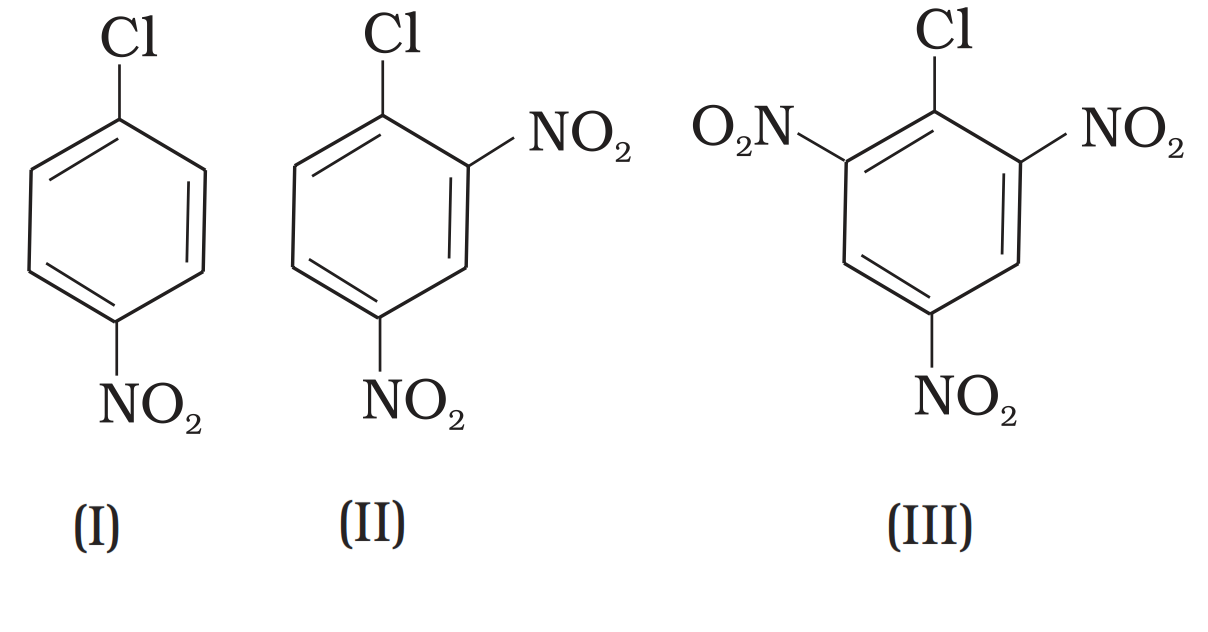
Aryl halides are extremely less reactive towards nucleophilic substitution. Predict and explain the order of reactivity of the following compounds towards nucleophilic substitution:
Give the resonance structure of arenediazonium ion.
Why is the reactivity of all the three classes of alcohols with conc. $\ce{HCl}$ and $\ce{ZnCl_2} ($Lucas reagent$)$ different?
Write the reactions of $D-$ glucose which can’t be explained by its open $-$ chain structure. How can cyclic structure of glucose explain these reactions?
Amino acids are acidic, basic and neutral. Explain these with examples.
Accomplish the following conversion:
Benzene to m-bromophenol.