Question
Define the following drainage patterns: Dendritic, Trellis, Rectangular and Radial.

Answer

  1. Dendritic: The dendritic pattern develops where the river channel follows the slope of the terrain. The stream with its tributaries resembles the branches of a tree.
  2. Trellis: A river joined by its tributaries at approximately right angles develops a trellis pattern. A trellis drainage pattern develops where hard and soft rocks exist parallel to each other.
  3. Rectangular: A rectangular drainage pattern develops on a strongly joined rocky terrain.
  4. Radial: A radial pattern develops when streams flow in different directions from a central peak or dome-like structure.

Need a full question paper?

Generate a complete, print-ready paper with questions like this in minutes — across 16+ boards, with answer keys.
Start Generating Free

Similar questions

What are the drawbacks of the Public Distribution System?
OR
On what grounds is the Public Distribution System criticised?
What kind of education was given in Nazi schools?
OR
What was Nazi’s school syllabus?
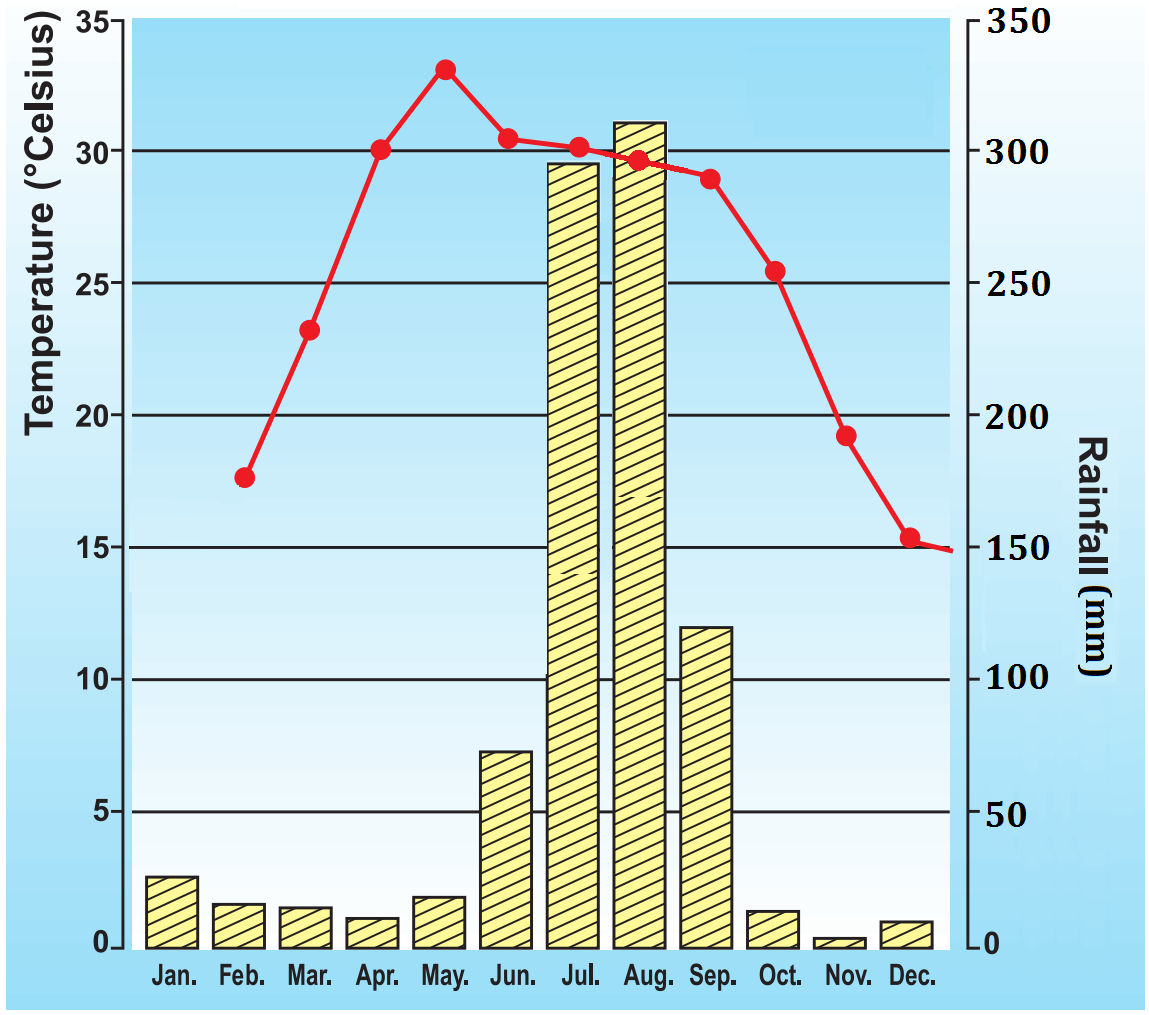
Study the climate data of Varanasi and answer each of the following questions in about 20 words.
  1. Name the rainiest month of the year. How much is the rainfall in this month?
  2. What is the annual range of temperature here?
  3. Which three months have the least rainfall?
  4. Name the hottest month and its temperature.
Why did Hitler create surveillance forces in Germany besides the regular police?
How did Hitler treat the Polish?
How was National Assembly recognised?
How did India aim at self-sufficiency in food grains after independence?
Explain five main features of the Narmada basin.
Read the following extract answer the questions that follow:
Some of the basic rights set forth in Olympe de Gouges' Declaration.
  1. Woman is born free and remains equal to man in rights.
  2. The goal of all political associations is the preservation of the natural rights of woman and man: These rights are liberty, property, security, and above all resistance to oppression.
  3. The source of all sovereignty resides in the nation, which is nothing but the union of woman and man.
  4. The law should be the expression of the general will; all female and male citizens should have a say either personally or by their representatives in its formulation; it should be the same for all. All female and male citizens are equally entitled to all honours and public employment according to their abilities and without any other distinction than that of their talents.
  5. No woman is an exception; she is accused, arrested, and detained in cases determined by law. Women, like men, obey this rigorous law.
  1. How did Olympe de Gouges, view women?
  2. What should be the goal of all political associations according to her?
  3. What was her opinion about law?
Describe the non-farm activities of production in village Palampur.