Question
Describe the different stages of xerosere.

Answer

There are six stages of xerosere are :
I. Progressive stage/Crustose Lichen stage,
II. Layered lichen
III. Flesh stage
IV. Herbaccous stage
V. Pole stage/Shrub stage
VI. Climax vegetation
I. Progressive Stage or Crustose : Crustose lichen like Rhizocarp, Liconosh, etc. grow first on exposed rocks. Acids secreted by lichens weather the rocks.
II. Foliose Lichen Stage : Foliose lichen like Palmelia, Physalia, Dermatocarp grow on a thin layer of soil. After this death, a thick layer of soil and organic matter is jormed.
III. Moss Stage : A thick layer of soil and humus on the rocks makes it suitable for moss. In this stage Polytrilum. Tadla, Funiraryops, grow successfully. Due to the continuous decomposition of bryophtes, a thick layer of organie matter is formed on the rocks. Now the habitat starts becoming suitable for ferbaceous plants.
IV. Herbaseous Stage : When the habitat become suitable for herbaseous plants, herbaceous plant like Poa, festuca, Tridex, Ageratum etc grow. The rocks are continous by weathered. as a result, the invasion of shrubby plants begins.
V. Bushy Stage : Due to the formation of thick layer of humus—rich soil on the rocks, bushy plants start growing among the herbaseous plants, such as cassia, Urena, Crotalaria. Due the growth of bushes, the rocks start turning into soil and the encroachment of trees begins.
VI. Climax Stage : Desert trees start increasing, these trees maintain a balance with their habitat, as a result of which forest area develop; the community of trees is almost a permanent community.
Need a full question paper?

Generate a complete, print-ready paper with questions like this in minutes — across 16+ boards, with answer keys.

Start Generating Free

Similar questions

Answer the following questions:
Draw a schematic labelled diagram of a fertilised embryo sac of an angiosperm.
Discuss why Drosophila has been used extensively for genetical studies.
Write the function of following parts of sperm :
(i) head
(ii) middle piece
(iii) tail
What are the various public health measures, which you would suggest as safeguard against infectious diseases?
Why are colour blindness and thalassemia categorised as Mendelian disorders? Write the symptoms of these diseases seen in people suffering from them.
  1. What are biopesticides? Give any two examples of their application.
  2. What is mycorrhiza? How does it act as a biofertilizer?

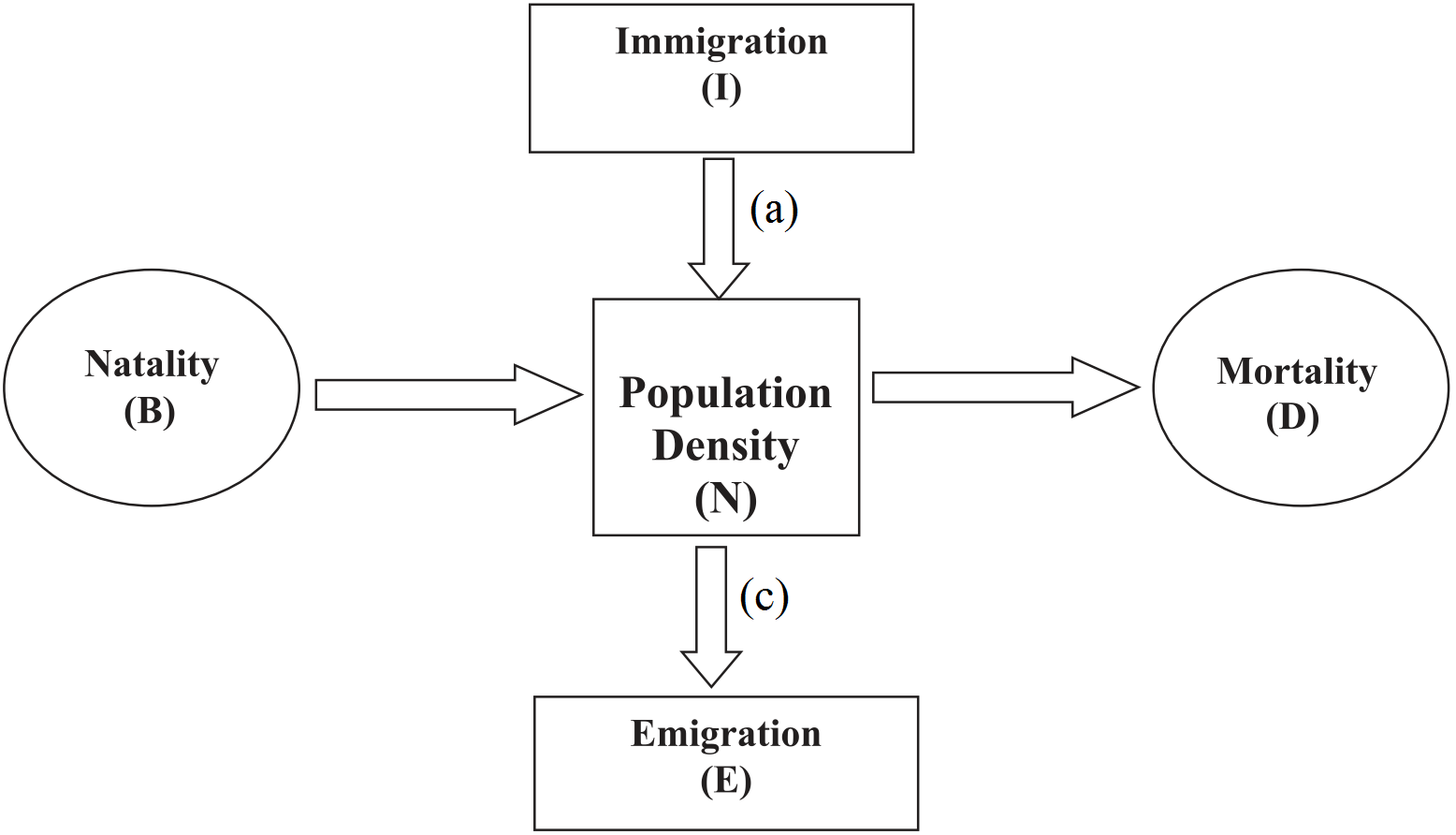
  1. Which of the above represents the increase or decrease of population?
  2. If N is the population density at time t, then what would be its density at time (t + 1)? Give the formula.
  3. In a barn there were 30 rats. 5 more rats enter the barn and 6 out of the total rats were eaten by the cats. If 8 rats were born during the time period under consideration and 7 rats left the barn, find out the resultant population at time (t + 1).
  4. If a new habitat is just being colonized, out of the four factors affecting the population growth, which factor contributes the most?
Discuss the role of lymphoids in the immune response. Explain the different types of lymphoid organs giving two examples of each type in human.
Elaborate how invasion by an alien species reduces the species diversity of an area.
(i) Define the pollination.
(ii) Explain the process of double fertilization.
(iii) Draw a well labelled diagram of fertilized
embryo sac.