Question
Discuss various methods for weed control.

Answer

Methods of weed control are:

  1. Mechanical Methods The process of removing the weeds from crop fields is called weeding.It is done by following methods.
  1. Weeds may be pulled out by hand. Ploughing helps in removing large number of the weeds.
  2. Before sowing or transplantation weeds are removed by using a big comb called Harrowcannot be used in standing crops because it will also uproot the crop plants.

The weeds which appear during the growth of crop plants are removed manually by using a trowel (Khurpa).

  1. Cultural Methods: They include the following methods, proper bed preparation timely sowing of crops, inter cropping and crop rotation.

  2. Chemical Methods: Chemical weed killers, called herbicides or weedicides, are sprayed on weeds to destroy (kill) them. This is called chemical control of weeds. Some common examples of weedicides are:

  1. 24-D (2, 4-Dichlorophenoxy acetic acid)
  2. Atraxine.
  3. Fluchloralin.
  4. Isoproturon.
  1. Biological Control: Biological control of weeds involves the deliberate use of insects or some other organism which consume and specifically destroy the weed plants. The best Indian example of biological control is eradication of prickly pear cactus (Opuntia) by using the cochineal insects in Maharashtra and Tamil Nadu.

Generally, a combination of one or more of these weed control methods are employed to get good results. Aquatic weeds are controlled by the fish grass carp.

Need a full question paper?

Generate a complete, print-ready paper with questions like this in minutes — across 16+ boards, with answer keys.

Start Generating Free

Similar questions

Fractional distillation is suitable for separation of miscible liquids with a boiling point difference of about 25K or less. What part of fractional distillation apparatus makes it efficient and possess an advantage over a simple distillation process. Explain using a diagram.
How are sol, solution and suspension different from each other?
Give the formulate of the compounds formed from the following sets of elements:
  1. Calcium and fluorine.
  2. Hydrogen and sulphur.
  3. Nitrogen and hydrogen.
  4. Carbon and chlorine.
  5. Sodium and oxygen.
  6. Carbon and oxygen.
State the main points of difference between homogeneous and heterogeneous mixtures.
Explain how, nitrogen, oxygen and argon gases are separated form air.
A farmer is advised to use manure instead of fertilizer in his fields. List any two advantages that the farmer will get if he accepts this advice. How is the use of manure particularly useful for clayey and sandy soil?
What are the features and drawbacks of Rutherford’s nuclear model of an atom?
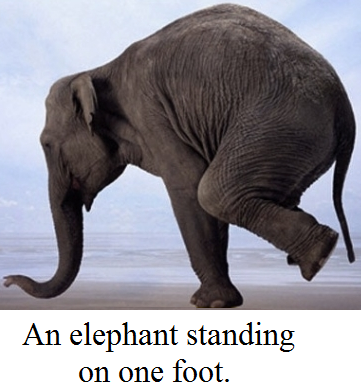
An elephant weighing 40,000N stands on one foot of area 1000cm2 whereas a girl weighing 400N is standing on one ‘stiletto’ heel of area 1cm2.

  1. Which of the two, elephant or girl, exerts a larger force on the ground and by how much?
  2. What pressure is exerted on the ground by the elephant standing on one foot?
  3. What pressure is exerted on the ground by the girl standing on one heel?
  4. Which of the two exerts larger pressure on the ground: elephant or girl?
  5. What is the ratio of pressure exerted by the girl to the pressure exerted by the elephant?
A car travels 100km at a speed of 60km/h and returns with a speed of 40km/h. Calculate the average speed for the whole journey.

How do you differentiate between capture fisheries, inland fisheries and aquaculture?