Question
Do you know ofpractices that reflect this?

Answer

Yes, many traditional practices show respect for Nature as sacred. In India, sacred groves are protected forest areas where cutting trees or harming wildlife is not allowed, as they are believed to be home to gods or spirits. Rivers like the Ganga are worshipped and seen as holy. Certain trees, such as the peepal and banyan, are also considered sacred and are not cut down. Indigenous groups in other countries, like Native Americans and Aboriginal Australians, hold similar beliefs and perform rituals to honour nature. These practices reflect care for the environment and a deep respect for natural resources.
Need a full question paper?

Generate a complete, print-ready paper with questions like this in minutes — across 16+ boards, with answer keys.

Start Generating Free

Similar questions

Do you think water in Chennai is available to and affordable by all? Discuss.
What exactly did Macaulay mean when he wrote that “a single shelf of a good European library was worth the whole native literature of India and Arabia”? And why should he want to make Indians “English in taste, in opinions, in morals, and in intellect”? How does this relate to the ‘civilising mission’ mentioned at the start of the chapter? Ask your teacher to guide a class debate on these questions.
Give two examples of the following in the space provided.
Think like an economist. Let’s explore what happens when things change. If you were Ratna, what would you do in the following situations? Discuss with your classmates.
I. You receive a small loan to invest in better technology for your restaurant.
1. Will this increase the production or improve quality?
2. Will it help you reach more customers?
II. Suppose another restaurant opens in the neighbourhood.
1. How will you attract and keep your customers?
2. Will you improve your service, reduce prices, or offer something new?
III. What government laws or rules should be changed to improve the ease of doing business?
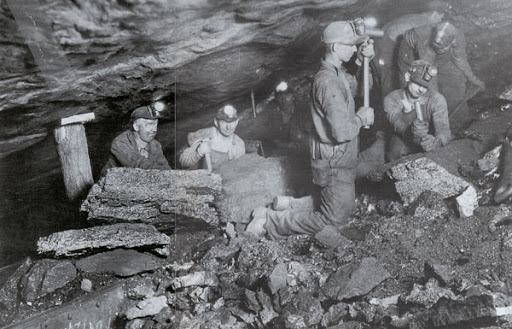
Observe the given picture and answer the questions that follow:
  1. What do you see in the given picture?
  2. How are their working conditions?
  3. How did different tribal groups live? Describe.
Mention how women reformers helped in changing the conditions of other women.
How is the sale of water by farmers to water dealers in Chennai affecting the local people? Do you think local people can object to such exploitation of ground water? Can the government do anything in this regard?
Find out how the national movement was organised in your city, district, area or state. Who participated in it and who led it? What did the movement in your area achieve?
Imagine you are a trader in a port city (Surat, Calicut or Hooghly). Describe the scenes you see as regards goods, people you trade with, movement of ships, etc.
Many values promoted by early Sikh¬ism, including equality, seva, and justice, remain relevant today. Select one of these values and discuss how it remains relevant in contemporary society.