Question
Explain the different steps in the construction of recombinant DNA.

Answer

Isolation of the genetic material (DNA):
  • RNA is removed by treatment with ribonuclease and proteins are removed by treatment with protease.
  • After several treatments, the purified DNA is precipitated by adding chilled ethanol.
  • The bacterial/ plant/ animal cell is broken down by enzymes to release DNA, along with RNA, proteins, polysaccharides and lipids.
  • Bacterial cell is treated with enzyme lysozyme.
  • Plant cell is treated with enzyme cellulase.
  • Fungal cell is treated with chitinase.
Cutting of DNA at specific locations:
  • The DNA is cut using restriction enzymes.
  • The purified DNA is incubated, with the specific restriction enzyme at conditions optimum for the enzyme to act. Isolation of desired DNA fragment
  • Using agarose gel electrophoresis, the activity of the restriction enzymes can be checked.
  • Since the DNA is negatively charged, it moves towards the positive electrode or anode and in the process, DNA fragments separate out based on their sizes.
  • The desired DNA fragment is eluted out.
Amplification of gene of interest using PCR:
  • The Polymerase Chain Reaction (PCR) is a reaction in which amplification of specific DNA sequences is carried out in vitro.

Need a full question paper?

Generate a complete, print-ready paper with questions like this in minutes — across 16+ boards, with answer keys.
Start Generating Free

Similar questions

Though the conflict between humans and wildlife started with the evolution of man, the intensity of conflict has increased due to the activities of modern man. Justify your answer with suitable examples.
What is called nucleosome? Explain the packaging of DNA coil. Draw a labelled diagram of a nucleosome.
  1. Draw a labelled diagram of L.S. of an embryo of grass (any six labels).
  2. Give reason for each of the following:
  1. Anthers of angiosperm flowers are described as dithecous.
  2. Hybrid seeds have to be produced year after year.
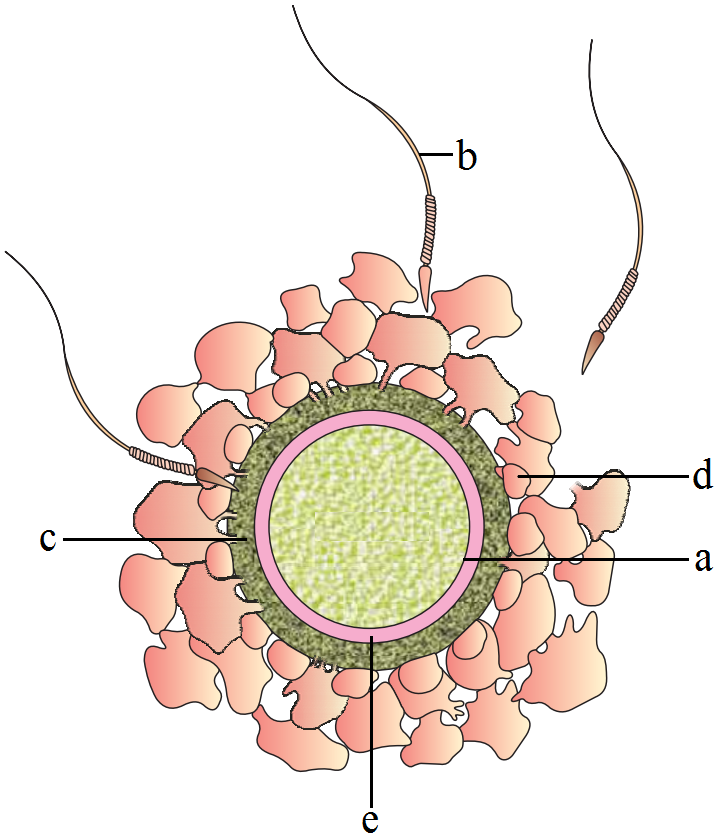
Study the illustration given and answer the questions that follow:
Name and state the function of ‘c’.
What is rDNA? Explain the technique of cloning rDNA.
Describe the consumptive use value of biodiversity as food, drugs and medicines, fuel and fiber with suitable examples.
The following table shows certain diseases, their causative organisms and symptoms. Fill the gaps.
  Name of the Disease Causative organism Symptoms
i. Ascariasis Ascaris ________
ii. ________ Trichophyton Appearance of dry, scaly lesions on various parts of the body.
iii. Typhoid ________ High fever, weakness, headache, stomach pain, constipation.
iv. Pneumonia Streptococcus pneumoniae ________
v. ________ Rhino viruses Nasal congestion and discharge, sorethroat, cough, headache.
vi. Filariasis ________ Inflammation in lower limbs.
Give the term/ reason:
Role of oxytocin during expulsion of the baby out of uterus.
  1. Draw the embryo sac of a flowering plant and label:
  1. Central cell
  2. Chalazal end of the embryo sac
  3. Synergids.
  1. Name the cell that develops into the embryo sac and explain how this cell leads to the formation of embryo sac. Also mention the role played by the various cells of the embryo sac.
Explain in detail the various reagents of pollination.###How many types of pollination are there? Write a brief note and explain any one abiotic factor of pollination with an example.