Question
Explain the uses and the harmful effects of, micro-organisms.
2. Some micro-organisms are useful in process of fermentation, making the food easily digestible and more nutritious. For producing milk products like butter, buttermilk, cheese, paneer, etc.
3. Microbes present in soil, dung etc. decompose garbage and convert into manure of best quality and surrounding is kept clean.
4. Microbes are also useful for sewage disposal. They help in decomposition of organic compounds in it.
5. Microbes are used in production of vaccines.
6. Microbes are also used in processes like tanning of skin, production of ropes and strings, from agave.
7. Some microbes use oil for their growth. Such microbes are used to clear a layer of oil floating on the surface of an ocean or lake formed due to leak or spill.
8. Farm waste, human urine and faeces, wet garbage etc. is collected and used in a biogas plant to produce biogas and fertilizer.
Harmful effects:
1. Disease producing micro-organisms are called pathogens, they are harmful micro-organisms.
2. Fungus grows on moist food, and microbes release enterotoxins into the food. Such toxins spoil the foods. Eating such spoiled food causes food poisoning i.e. loose motions and vomiting.
3. Pathogens may be present in water bodies contaminated with sewage, and dirt from surroundings, in food with flies sitting on it. If such contaminated food or water is consumed, we may fall ill with diseases like amoebiasis, typhoid, cholera, hepatitis, gastro, etc.
4. Pathogens are released in the air by a person having infection of the respiratory, sneezes or coughs. A healthy person may get infected by pathogens on breathing in the same air and contract diseases like common cold, cough, diphtheria, pneumonia, tuberculosis, etc.
5. Microbes that cause diseases like malaria, dengue, elephantiasis, yellow fever, chikunguniya, zike
fever etc. gain entry into the human body through the bite of a female mosquito.
Generate a complete, print-ready paper with questions like this in minutes — across 16+ boards, with answer keys.

1.Name the methods shown.
2.Give 2 points of difference between the methods.

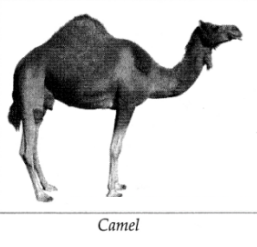
1.What habitat does this camel live in?
2.State any 2 of its body adaptations to survive in desert?
3.How does a camel protect itself from sand storms or winds carrying sand?