Question
  1. Explain two approaches of biodiversity conservation.
  2. Which conservation method is used to maintain the species of wildlife in their natural habitats?

Answer

  1. This is an apporach for in sin method of conservation. Eminent conservationists have identified certain regions for the maximum protection, these regions are called biodiversity hotspots.
These are regions with very high levels of species richness, high degree of endemism (species confined to a region and not found anywhere else) and accelerated habitat loss. Initially, 25 biodiversity hotspots were identified. Now, there are 34 hotspots all over the world.
These hotspots are in India, i.e. Western Ghats and Sri Lanka Indo-Burma and Eastern Himalaya. If all the biodiversity hotspots are put together, they cover less than 2% of the earth's land area, but harbor extremely high diversity. Ongoing mass extinctions could be reduced by 30% through strict protection of these hotspots.
  1. There are two methods of conservation:
  1. In Situ (On site) Conservation: It is the conservation and protection of the whole ecosystem and its biodiversity at all levels in order to protect the threatened species. However, it is not economically feasible to conserve all the biological wealth at all the existing ecosystems.
  2. Ex-Situ (Off site) Conservation: This approach involves placing the threatened animals and plants in special care units for their protection. Ex-situ conservation includes off site collections and gene bank.
Need a full question paper?

Generate a complete, print-ready paper with questions like this in minutes — across 16+ boards, with answer keys.

Start Generating Free

Similar questions

Fertilisation is essential for production of seed, but in some angiosperms, seeds develop without fertilisation.
  1. Give an example of an angiosperm that produces seeds without fertilisation Name the process.
  2. Explain the two ways by which seeds develop without fertilisation.
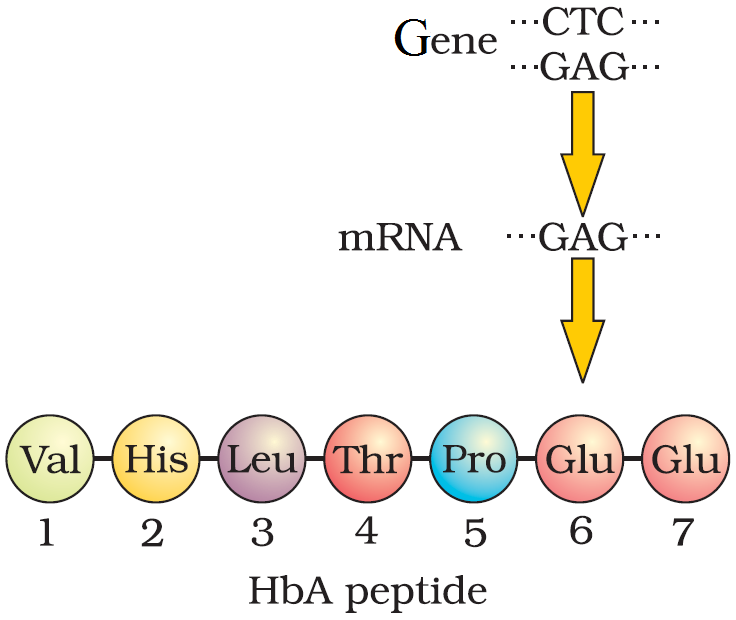
Given below is the representation of amino acid composition of the relevant translated portion of B-chain of haemoglobin, related to the shape of human red blood cells.
  1. Is this representation indicating a normal human or a sufferer from certain related genetic disease? Give reason in support of your answer.
  2. What difference would be noticed in the phenotype of the normal and the sufferer related to this gene?
  3. Who are likely to suffer more from the defect related to the gene representedthe males, the females or both males and females equally? And why?
  1. A DNA segment has a total of 1000 nucleotides, out of which 240 of them are adenine containing nucleotides. How many pyrimidine bases this DNA segment possesses?
  2. Draw a diagrammatic sketch of a portion of DNA segment to support your answer.
The term ‘desirable trait’ can mean different things for different plants. Justify the statement with suitable examples.
From which germ layers do the following organs differentiate?
  1. Kidney.
  2. Urinary bladder.
Males in whom testes fail to descend to the scrotum are generally infertile. Why?
Mention the six harmful effects of noise on human health.
Prior to a sports event blood & urine samples of sportspersons are collected for drug tests.
  1. Why is there a need to conduct such tests?
  2. Name the drugs the authorities usually look for.
  3. Write the generic names of two plants from which these drugs are obtained.
Discuss the advantages of GMO.
Is there any relationship between dedifferentiation and the higher degree of success achieved in plant tissue culture experiments?