→ An interesting observation of melanic Moth supporting the development by natural selection comes from England.
→ In a collection of Moths made in 1850, i.e. before industrialisation. Set in, it was observed that.
→ But after industrialization i.e. in 1920 more dark winged moths were seen in the same area i.e. the proportion was reversed.
→ From this observation, it is suggested that, "Predators find spots in a contrasting background".
→ In the contrasting background under the effect of this condition white-winged moths did not survive due to predators, but dark-winged OR melanised moth plants survived.
→ Before industrialization, the lichen was almost white in color.
→ White-winged plants survived in a background containing white lichens, but dark-winged moths were eaten by predators.
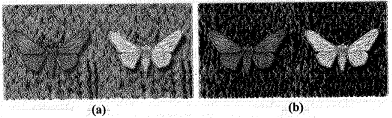
→ Thus the particles that could be colored could make their existence.
→ This explanation is supported by the fact that where there is no industrialization, the number of melanic moth is low.
→ This shows that in mixed populations they adapt better, survive and increase population life.
→ Absence of lichen suggests industrial pollution (which is indicative).