List any two modes of asexual reproduction in animals. Under which mode of reproduction is vegetative propagation placed and why? List two advantages of vegetative propagation.
CBSE OUTSIDE DELHI - SET 2 2014
Download our app for free and get started
The two modes of asexual reproduction in animals are:
- Binary fission: In binary fission, a single cell divides into halves. Some of the organisms that divide by binary fission are bacteria and Amoeba.
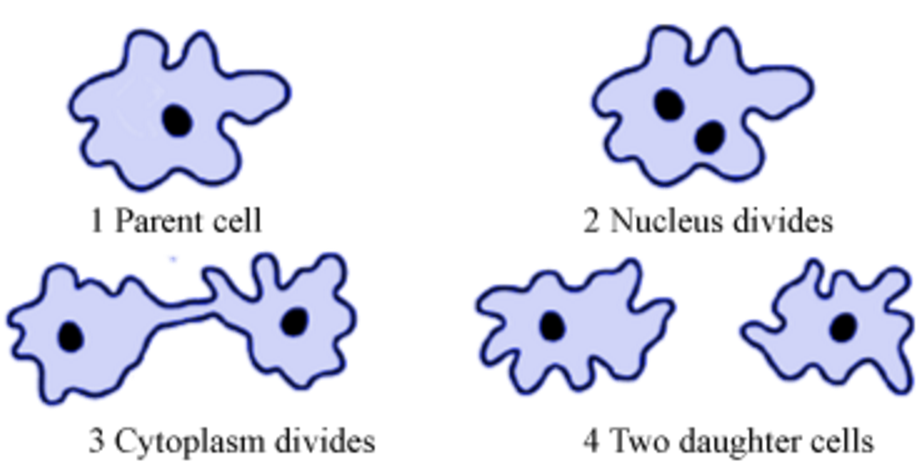
In Amoeba, cell division or splitting of cells can take place in any plane. Binary fission can occur in a particular axis. For example,Leishmania (a parasitic flagellated protozoan), which causes kala-azar in humans, divides longitudinally.
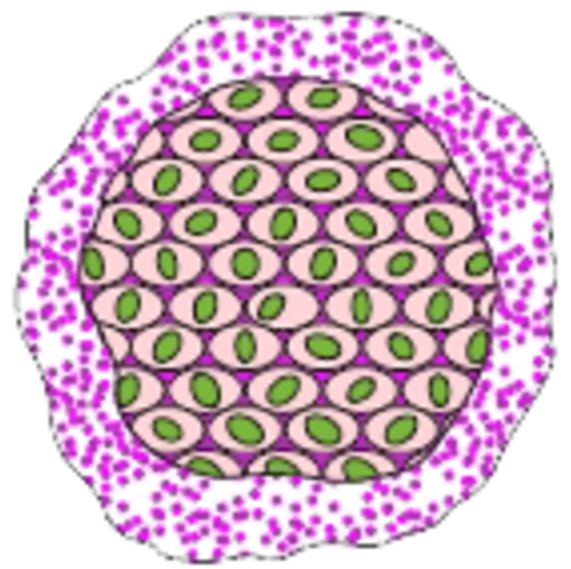
- Multiple fission: In multiple fission, a single cell divides into many daughter cells simultaneously. Examples: Plasmodium andAmoeba
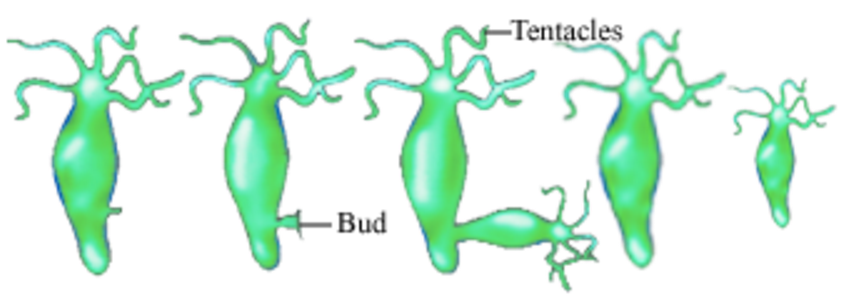
- Budding: It involves formation of a new individual from a protrusion called a bud. It is very common in plants, yeasts and lower level animals, such as Hydra.
Vegetative propagation is a form of asexual reproduction. It is the ability of plants to produce new plants from the vegetative parts, such as leaves, stems and roots, under favourable conditions. This method is the means of reproduction of some seedless plant varieties such as banana, rose and jasmine. This method is also used in agriculture for the commercial production of some plants such as sugarcane, grapes and roses.
Advantages of vegetative propagation:
- Only one parent is required for reproduction; this eliminates the need of special mechanisms.(pollination)
- Many plants are able to tide over unfavourable conditions because of the presence of vegetative reproductive parts like tubers, corm and bulbs.
- Plants that do not produce seeds are propagated by this method, e.g., sugarcane and potato.
- Vegetative propagation is a cheaper, easier and rapid method of propagation in plants than growing plants from their seeds. For example, lilies grow very slowly and take four to seven years to develop flowers when their seeds are grown, but flowers are produced only after a year or two when grown vegetatively.
- The trait (character) of the parent plant is preserved and the offspring are genetically identical.

Download our appand get started for free
Experience the future of education. Simply download our apps or reach out to us for more information. Let's shape the future of learning together!No signup needed.*
Similar Questions
- 1View Solution
- Explain the terms:
- Implantation.
- Placenta.
- What is the average duration of human pregnancy?
- 2View SolutionList four methods of contraception used by humans.
Justify the following statement:
‘‘The use of contraceptive methods has a direct effect on the health and prosperity of a family.’ - 3View SolutionDefine reproduction. How does it help in providing stability to the population of species?
- 4View SolutionList any four steps involved in sexual reproduction and write its two advantages.
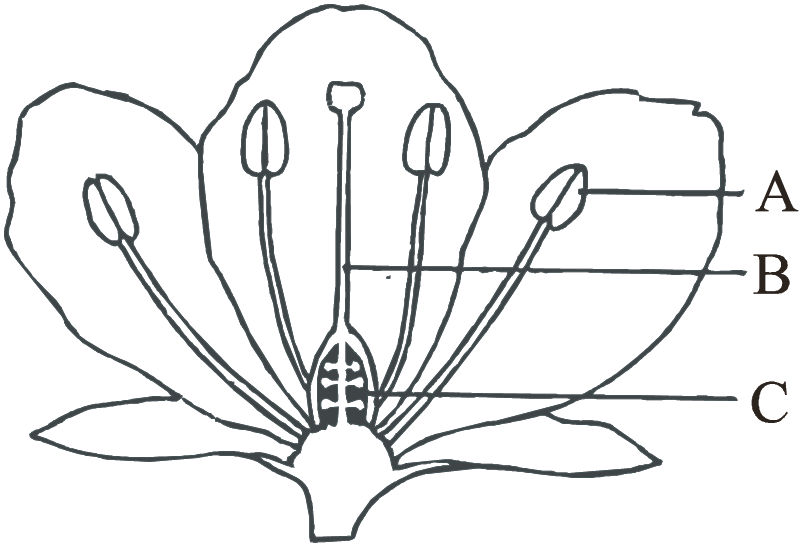
- 5View SolutionName the parts A, B and C shown in the following diagram and state one function of each.
- 6View SolutionAny four methods of contraception used by humans. How does their use have a direct effect on the health and prosperity of the family?
- 7View SolutionWhy do spores remain viable during unfavorable conditions?
- 8View SolutionList and explain in brief three methods of contraception.
- 9View SolutionWhat are the advantages of sexual reproduction over asexual reproduction?
- 10View SolutionWhat changes take place in boys during the reproductive phase?