Question
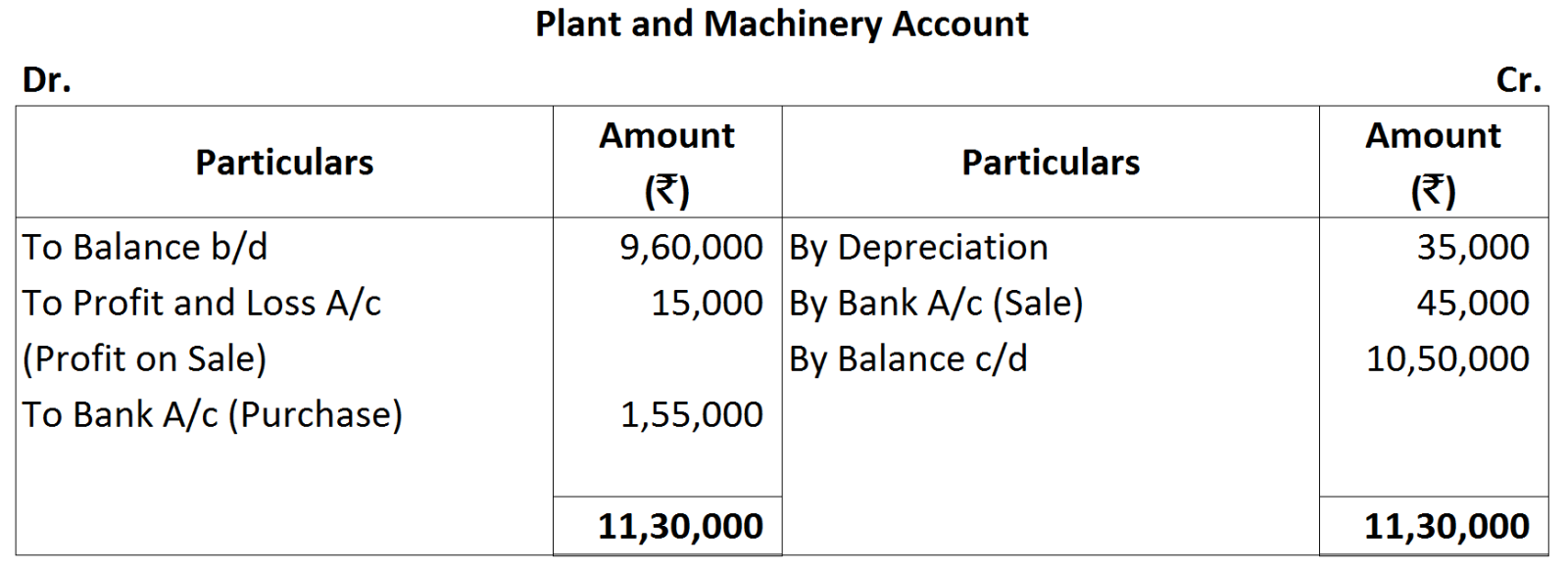
Mars Ltd. has Plant and Machinery whose written down value on 1st April, 2017 was ₹ 9,60,000 and on 31st March, 2018 was ₹ 10,50,000. Depreciation for the year was ₹ 35,000. In the beginning of the year, a part of plant was sold for ₹ 45,000 which had a written down value of ₹ 30,000.
Calculate Cash Flow from Investing Activities.
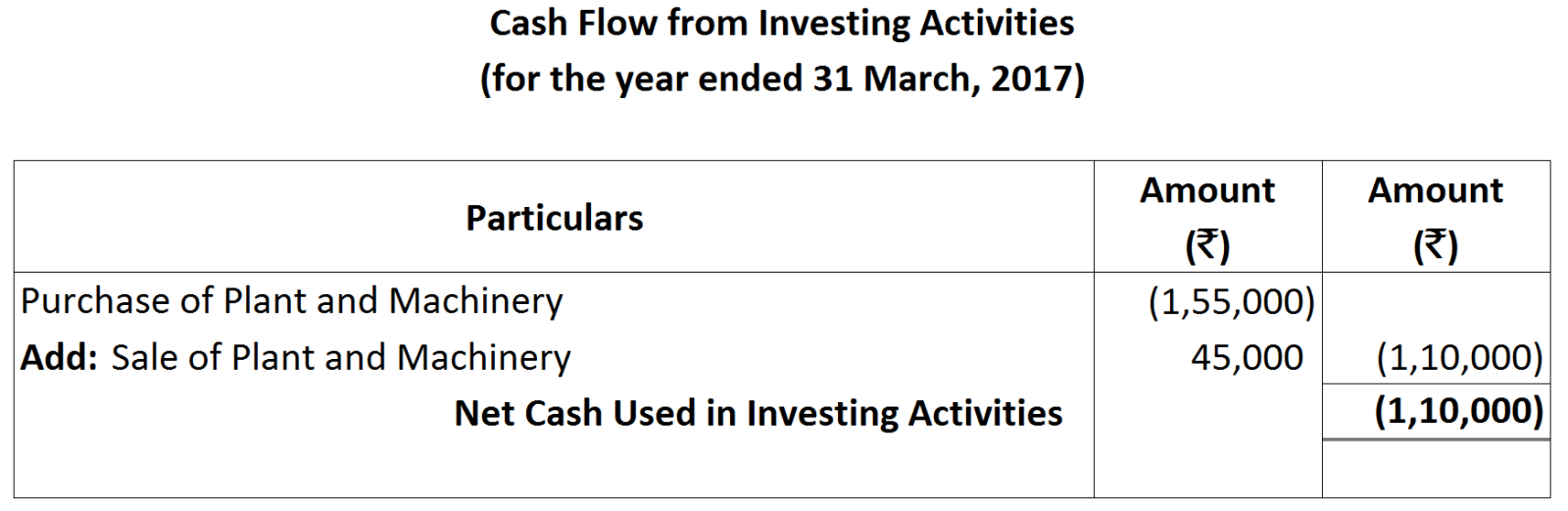
Answer


Working Notes:

Need a full question paper?

Generate a complete, print-ready paper with questions like this in minutes — across 16+ boards, with answer keys.

Start Generating Free

Similar questions

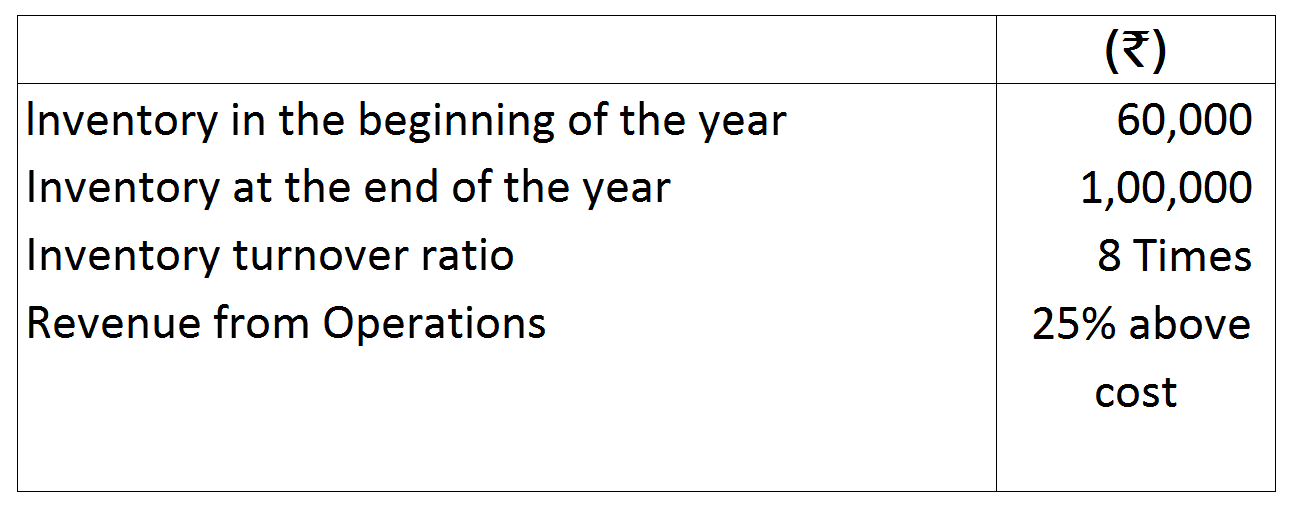
Following figures have been extracted from Shivalika Mills Ltd:
Compute the amount of gross profit and revenue from operations.
Financial statements are prepared following the consistent accounting concepts, principles, procedures and also the legal environment in which the business organisations operate. These statements are the sources of information on the basis of which conclusions are drawn about the profitability and financial position of a company so that their users can easily understand and use them in their economic decisions in a meaningful way.
From the above statement, identify any two values that a company should observe while preparing its financial statements. Also, state under which major headings and sub-headings the following items will be presented in the Balance Sheet of a company as per Schedule III of the Companies Act, 2013:
  1. Capital Reserve.
  2. Calls-in-Advance.
  3. Loose Tools.
  4. Bank Overdraft.
From the following information, calculate Cash Flow from Investing Activities:
 
 
Purchase of Machine
Purchase of Goodwill
Sale of Machine
Sale of Investment
2,50,000
1,00,000
35,000
50,000
Purchase of Investments
Sale of Patents
Interest and Dividend Received
 
1,50,000
40,000
10,000
A building was purchased as investment out of surplus which was let out for commercial purposes. Rent received ₹ 20,000.
Calculate Closing Trade Receivables from the following information:
Cost of Revenue from Operations
:
₹ 16,00,000
Gross Profit on Cost
:
25%
Cash Revenue from Operations
:
25% of Credit Revenue from Operations
Trade Receivables Turnover Ratio
:
5 Times
Closing Trade Receivables were 1.5 times than that in the beginning.
From the following Statement of Profit & Loss, prepare a Common Size Statement of Profit & Loss of Jayant Ltd. for the year ended 31.3.2018:
Compute 'Debtors Turnover Ratio' from the following information:
a. Total Sales $₹ 5,20,000,$ Cash Sales $60 \%$ of the Credit Sales, Closing Debtors $₹ 80,000$, Opening Debtors are $3 / 4^{\text {th }}$ of Closing Debtors.
b. Current liabilities of a company are ₹ $1,60,000$. Its Liquid ratio is $1.5: 1$ and Current ratio is $2.5: 1$. Calculate Quick assets and Current assets.
F Ltd. issued 12% debentures of Rs. 100 each valued at Rs. 3,00,000 at a discount of 4%, repayable at par in equal proportions at the end of the 2nd, 4th and 6th year. Calculate the amount of discount to be written off at the end of each year and prepare ‘discount on issue of debentures account’
What are the implications of high and low inventory turnover ratios?
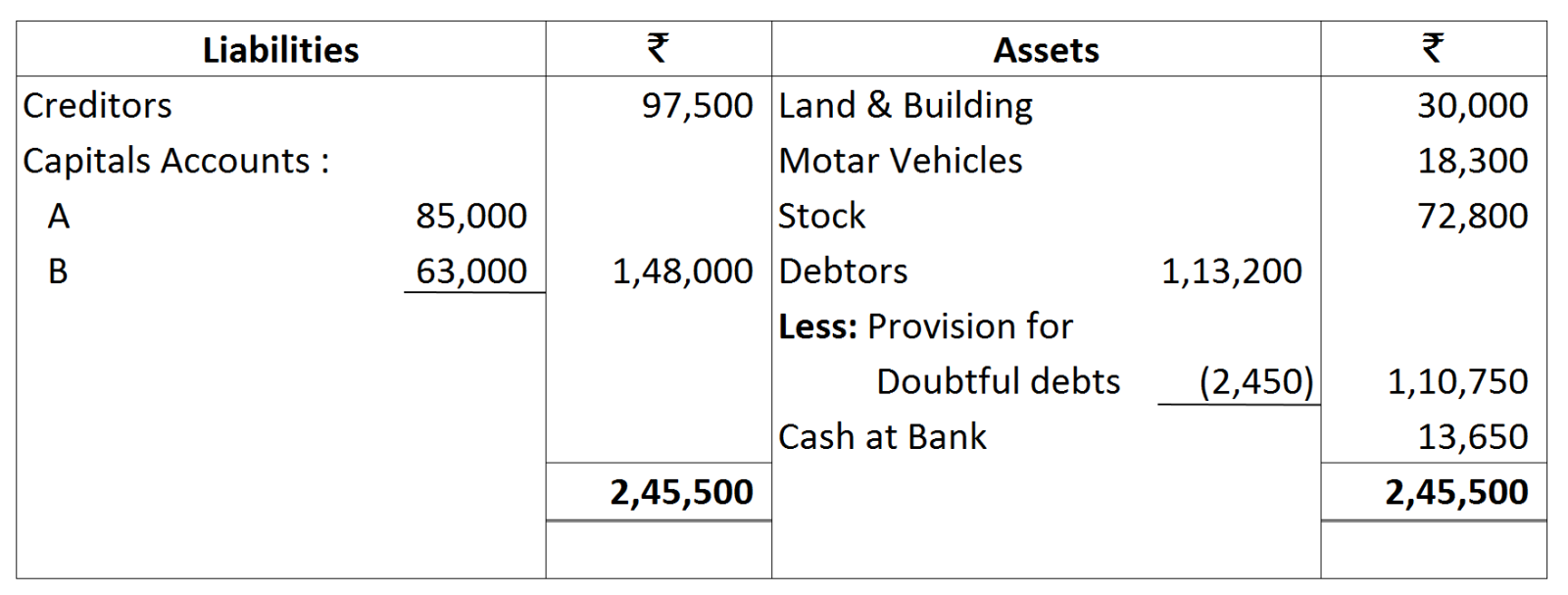
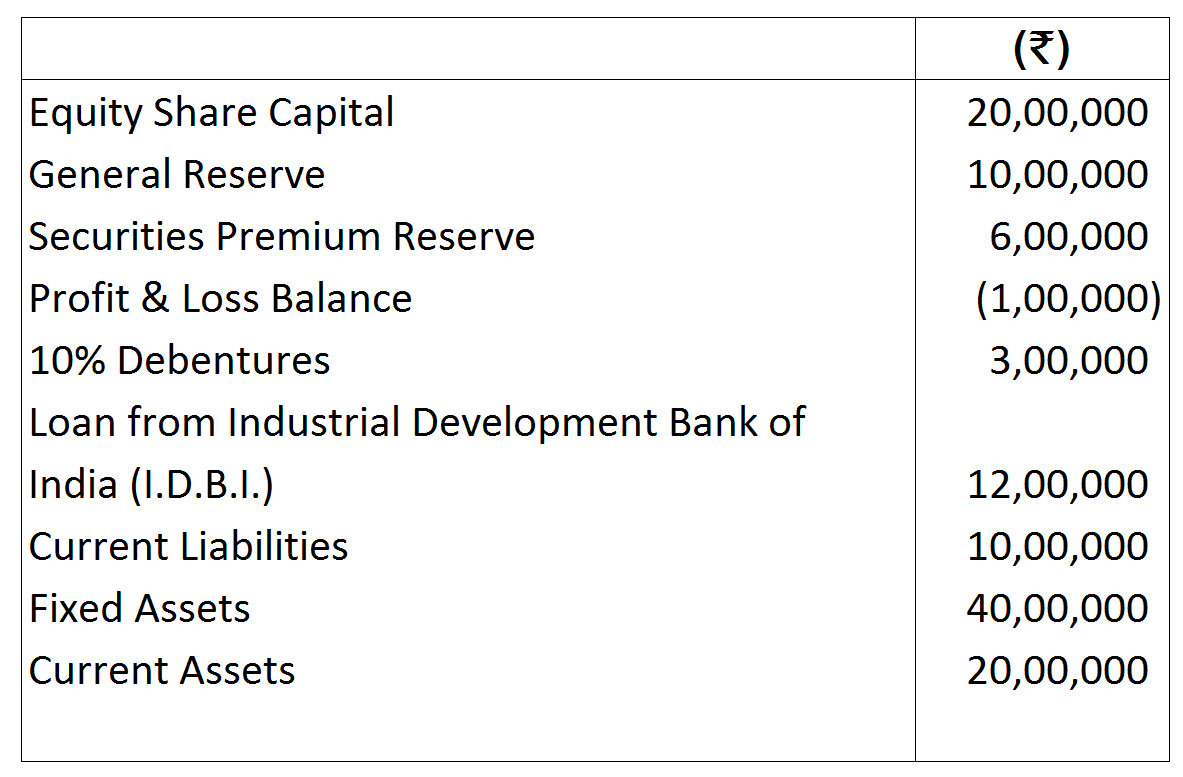
From the following, ascertain Debt-Equity Ratio and Proprietary Ratio:
₹ 1,75,000 is the Credit Revenue from Operations, i.e., Net Credit Sales of an enterprise. If Trade Receivables Turnover Ratio is 8 times, calculate Trade Receivables in the beginning and at the end of the year. Trade Receivables at the end is ₹ 7,000 more than that in the beginning.