MCQ
On charging by conduction, mass of a body may:
- AIncrease.
- BDecreases.
- CIncrease or decrease.
- DNone of these.
Generate a complete, print-ready paper with questions like this in minutes — across 16+ boards, with answer keys.
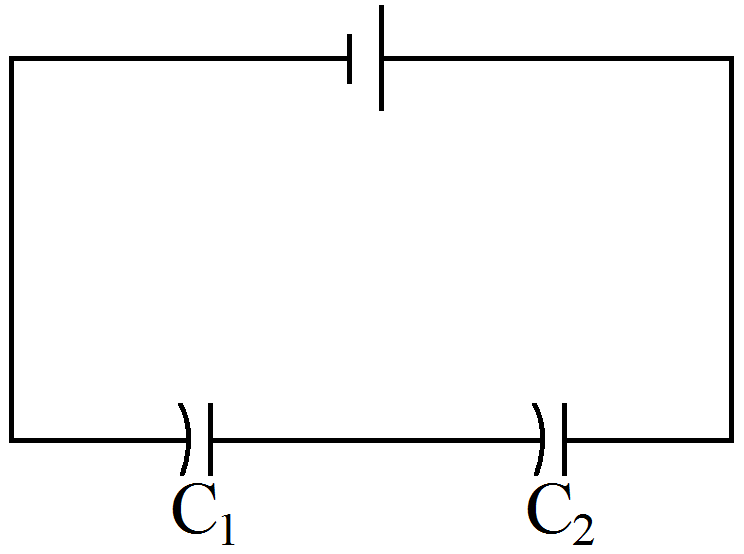
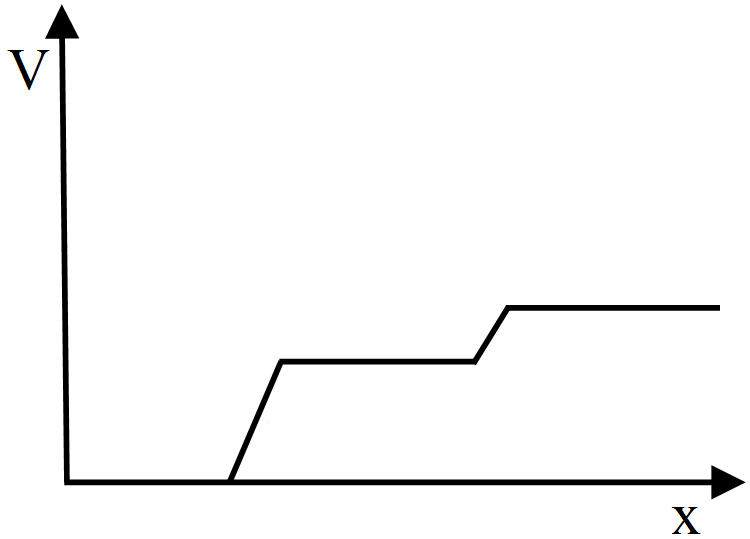
Two wires of equal diameters, of resistivities  and
and  and lengths l1 and l2, respectively, are joined in series. The equivalent resistivity of the combination is
|
(a) |
(b) |
(c) 
|
(d) 
|
The neutral temperature of a thermocouple is 350℃ when the cold junction is at 0℃ When the cold junction is immersed in a bath of 30℃, the inversion temperature is
|
(a) 700℃ |
(b) 600℃ |
(c) 350℃ |
(d) 670℃ |
A thin lens focal length  and its aperture has diameter d. It forms an image of intensity I. Now the central part of the aperture upto diameter
  is blocked by an opaque paper. The focal length and image intensity will change to
|
(a) |
(b) f and |
(c) |
(d) f and |
Two resistances are connected in two gaps of a metre bridge. The balance point is 20 cm from the zero end. A resistance of 15 ohms is connected in series with the smaller of the two. The null point shifts to 40 cm. The value of the smaller resistance in ohms is
|
(a) 3 |
(b) 6 |
(c) 9 |
(d) 12 |
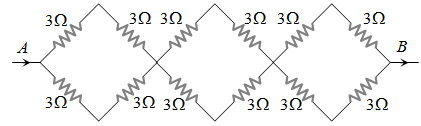
In the network of resistors shown in the adjoining figure, the equivalent resistance between A and B is
|
(a) 54 ohm |
(b) 18 ohm |
(c) 36 ohm |
(d) 9 ohm |


