Question
Read the following and answer any four questions from (i) to (v) given below:

During teaching about various environmental factors, a teacher draw a figure that depicts like history strategies for three plant species (X, Y and Z) along 3 axes - strength of competition with other organisms, level of disturbance in the habitat and level of environmental stress in the habitat. Species X grows in habitats where competition among species is high but disturbance and stress are low. Species Y grows in habitats with high environmental stress but with low intraspecies competition. Species Z grows in highly disturbed habitats with low environmental stress.
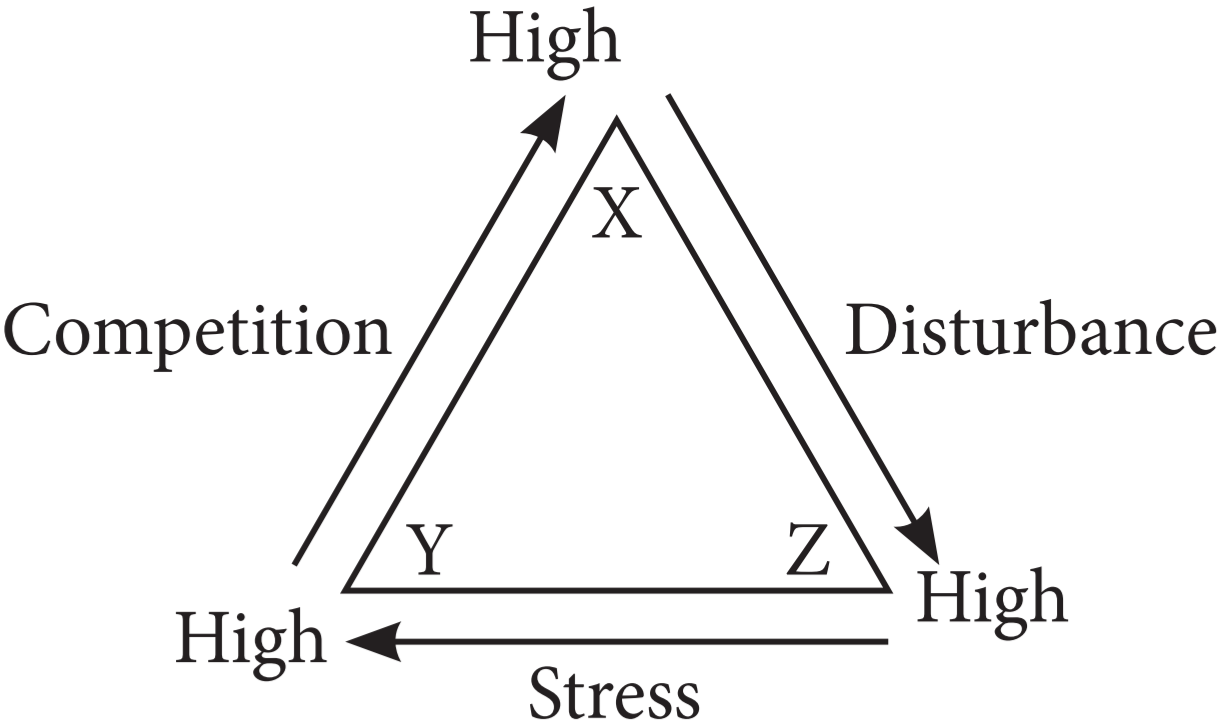
  1. Which of the following is correct regarding plant type X?
  1. It has slow growth rate.
  2. It lives in area with high probability of severe environmental changes.
  3. It has good competitive ability at low population densities near the carrying capacity.
  4. None of these.
  1. Environmental stress occurs through.
  1. Very low temperature.
  2. Drought.
  3. Nutrient deficiency.
  4. All of these.
  1. Select the correct option regarding plant type X, Y and Z.
  1. X type of plants are likely to be trees.
  2. Y type of plants could be desert plants.
  3. Z type of plants could be herbaceous plant.
  4. All of these.
  1. Y type of plants grow under high stress and:
  1. Produce large number of seeds in a short time after rains.
  2. Have rapid growth.
  3. Produce less number of seed in a long time after rain.
  4. Both (a) and (b).
  1. Assertion: Plant growth rate is high in area of high stress and high disturbance.

Reason: High stress and high disturbance promote breeding capacity in plants.

  1. Both assertion and reason are true and reason is the correct explanation of assertion.
  2. Both assertion and reason are true but reason is not the correct explanation of assertion.
  3. Assertion is true but reason is false.
  4. Both assertion and reason are false.
Answer

  1. (a) It has slow growth rate.

Explanation:

'X type'of plants are competitors which live under condition of low stress and low disturbance and have good competitive ability at high population densities near the carrying capacity. Such plant have slow growth rate and prevail in non-seasonal tropics where there is low probability of severe environmental changes.

  1. (d) All of these.

Explanation:

Environmental stress occurs through external conditions such as shading, drought, nutrient deficiency or very low temperature that limit production.

  1. (d) All of these.
  1. (a) Produce large number of seeds in a short time after rains.
  1. (d) Both assertion and reason are false.

Explanation:

Plant growth rate is low in area of high stress and high disturbance. High stress and high disturbance cannot promote breeding capacity in plants

Need a full question paper?

Generate a complete, print-ready paper with questions like this in minutes — across 16+ boards, with answer keys.

Start Generating Free

Similar questions

Read the following text carefully and answer the questions that follow:
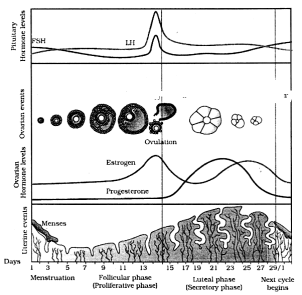
The reproductive cycle in female primates (e.g. monkeys, apes and human beings) is called the menstrual cycle. In human females, menstruation is repeated at an average interval of about 28/29 days, and the cycle of events starting from one menstruation till the next one is called the menstrual cycle Anita has show Diagrammatic presentation of various events during a menstrual cycle.
Image
i. What role do pituitary gonadotropins play during the follicular and ovulatory phases of the menstrual cycle? (1)
ii. The first half of the menstrual cycle is called the proliferative phase as well as the follicular phase. Give reason.(2)
iii. Why does corpus luteum stay active throughout pregnancy and in the absence of fertilization, is active only for 10-12 days?
OR
What happens to corpus luteum in human female if the ovum is (2)
a. fertilised,
b. not fertilised?
Read the following and answer any four questions from (i) to (v) given below:

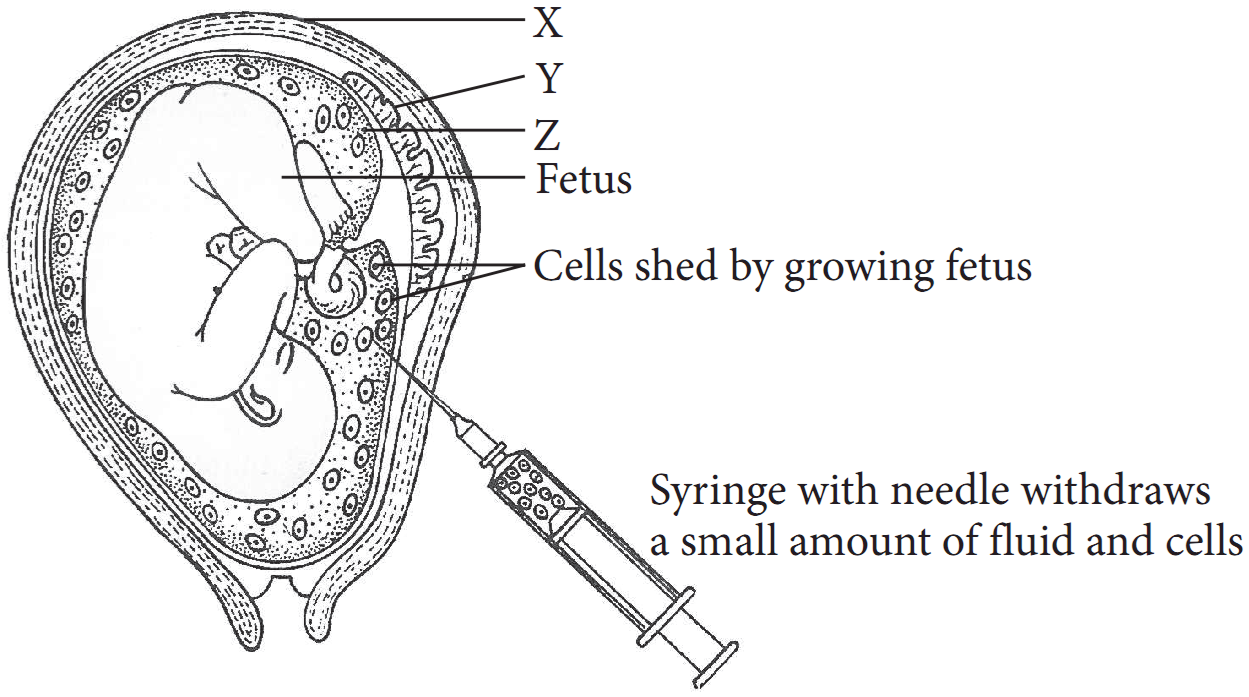
A technique known as amniocentesis is used to determine fetal abnormalities. This test chromosomal pattern in amniotic fluid. However, this technique is legally banned now.

  1. Identify X and Y in the above given figure.
S. No
X
Y
(a)
Amnion
Chorion
(b)
Uterine wall
Placenta
(c)
Placenta
Uterine wall
(d)
Uterine wall
Amnion
  1. What is the function of Z?
  1. Z is an amniotic fluid which prevents dessication of an embryo.
  2. Z is yolk sac which functions as site of early blood cell formation.
  3. Z is amnion, which takes part in placenta formation.
  4. None of these
  1. Which of the following diseases can not be diagnosed by amniocentesis?
  1. Down's syndrome.
  2. Sickle cell disease.
  3. Jaundice.
  4. Cystic fibrosis.
  1. Assertion: Amniocentesis is legally banned for sex determination.

Reason: Amniocentesis was being misused for aborting normal female fetus.

  1. Both assertion and reason are true, and reason is the correct explanation of assertion.
  2. Both assertion and reason are true, but reason is not the correct explanation of assertion.
  3. Assertion is true, but reason is false.
  4. Both assertion and reason are false.
  1. Which of these is a non-invasive technique of detecting fetal disorder?
  1. Fetoscopy.
  2. Chorionic villi sampling.
  3. Amniocentesis.
  4. Ultrasound imaging.
Read the following and answer any four questions from (i) to (v) given below:
Disposal of untreated sewage into the river or freshwater pond causes huge water pollution. Four water samples from different sources (A, B, C, D) are collected and tested for BOD value in a lab to assess their quality. The BOD values are presented in the given table. Water samples are collected from primary effluent, secondary effluent, untreated sewage and river water. Study the given table and answer the following.
Sample BOD
A 20mg/ L
B 5mg/ L
C 300mg/ L
D 400mg/ L
  1. The source of sample 'C' is:
  1. River water.
  2. Primary effluent.
  3. Secondary effluent.
  4. Untreated sewage water.
  1. If sewage in untreated condition is disposed off in a freshwater body then.
  1. BOD and dissolved oxygen both will increase.
  2. BOD will increase and dissolved oxygen will decreas.
  3. BOD will decrease and dissolved oxygen will increase.
  4. BOD and dissolved oxygen both will decrease.
  1. A large number of pathogenic microbes can be present in water sample of:
  1. C
  2. A
  3. D
  4. Both (a) and (c).
  1. High value of BOD in sample O is due to:
  1. High amount of organic wastes and aerobic microbes.
  2. High amount of inorganic wastes and anaerobic microbes.
  3. High amount of organic wastes and anaerobic microbes.
  4. High amount of inorganic wastes and aerobic microbes.
  1. River water is represented by the sample.
  1. A
  2. B
  3. C
  4. D
Read the following and answer any four questions from (i) to (v) given below:
The pollen grains or microspores are the male reproductive bodies of a flower and are contained in the pollen sac or microsporangia. Each pollen grain consists of a single microscopic cell, possessing two coats: the exine and the in tine. The exine of a pollen grain is made of chemically stable material. Because of this, pollen grains are often very well preserved for thousands of years in soil and sediments.
  1. One of the most resistant biological material present in the exine of pollen grain is:
  1. Pectocellulose.
  2. Sporopollenin.
  3. Suberin.
  4. Cellulose.
  1. The exine possesses one or more thin places known as:
  1. Raphe.
  2. Germ pores.
  3. Hilum.
  4. Endothecium.
  1. What is the function of germ pore?
  1. Emergence of radicle.
  2. Absorption of water for seed germination.
  3. Initiation of pollen tube.
  4. All of these.
  1. What is the key advantage to the plant for having such strong pollen grain walls?
  1. It protects the vital genetic material in the pollen grain.
  2. It allows pollen to serve as a valuable fossil record for the study of ancient plants.
  3. It prevents the pollen tube from growing out before the pollen grain reaches the stigma of a compatible species.
  4. It gives weight to the pollen grain, allowing it to cling better to the body surfaces of insect pollinators.
  1. The number of germ pores in dicots and monocots respectively are:
  1. One and three.
  2. Three and two.
  3. Two and three.
  4. Three and one.
Explain bioreactor with diagram.
Read the following and answer any four questions from (i) to (v) given below:
The Kakapo is the world's largest and heaviest parrot, found only in New Zealand. It is unusual in that it is nocturnal, flightless and ground-dwelling. It is an excellent climber of trees, has strong legs that allow it to "jog" several kilometres in a single trip, and has mossy green plumage mottled with brown and yellow. The Kakapo is also critically endangered as of now, there were only few known living individuals left.
  1. Which could be the possible reason for Kakapo to be well-adapted to its environment prior to the arrival of humans in New Zealand?
  1. Kakapo was active only in the night when its potential predators would not be out for hunting.
  2. The Kakapo would likely be well-camouflaged among the forest foliage due to its greenish plumage.
  3. It was able to effectively hunt for food in the night.
  4. All of these.
  1. When humans started to settle in New Zealand, they took with them non-native animals, including mammals such as cats, dogs and stoats. By which of the following ways, human settlement likely contributed to a near decimation of Kakapo populations in New Zealand?
  1. Habitat destruction.
  2. Alien species invasion.
  3. Pollution.
  4. Both (a) and (b).
  1. All known survived Kakapo have been relocated by the New Zealand government to three predator-free islands, where they are monitored year round by staffs and volunteers to ensure that the birds are safe, healthy and well-fed. The extremely low population of Kakapo is a hurdle to the species becoming viable in the long term, despite such dedicated conservation efforts. This is because.
  1. The small population results in very small gene pool.
  2. There would be very Ii mited genetic diversity among the resulting offspring.
  3. Of reduced capacity of the species to adapt and survive changes in the environment.
  4. All of these.
  1. The reasons behind conserving biodiversity have been grouped into which of the following categories?
  1. Narrowly utilitarian.
  2. Broadly utilitarian.
  3. Ethical.
  4. All of these.
  1. One of the ex situ conservation methods for endangered species is:
  1. Wildlife sanctuaries.
  2. Biosphere reserves.
  3. Cryopreservation.
  4. National parks.
Explain: Chromosomal Theory of Inheritance.###Briefly mention the contribution of T.H. Morgan in genetics.
Draw a schematic diagram of typical anatropous ovule and describe structure of megasporangium in detail.###With a neat, labelled diagram, describe the parts of a typical angiosperm ovule.
Why are vectors needed for replication of DNA during rDNA technology?
Read the following text carefully and answer the questions that follow:
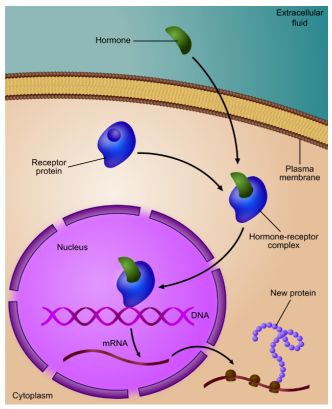
Gene regulation is the mechanism of switching off and switching on of the genes depending upon the requirement of cells and the state of development. Gene regulation is of two types: negative and positive. In negative gene regulation, the genes continue expressing their effect till their activity is suppressed. Positive gene regulation is the one in which the genes remain non-expressed unless and until they are induced to do it. Operon model is a co-ordinated group of genes such as structural gene, operator gene, promoter gene, regulator gene which function together and regulate a metabolic pathway as a unit, e.g., lac operon, trp operon, ara operon, etc.
Image
i. Regulation of gene expression occurs at which the level? (1)
ii. What is complementary to an mRNA molecule transcribed from the lac operon contains nucleotide sequences? (1)
iii. Describes the control of transcription of the genes involved in the breakdown of lactose in Escherichia coli?
(2)
OR
What is the function of catabolic activator protein in lac operon? (2)