Question
What are the various advantages of using genetically modified plants to increase the overall yield of the crop?

Answer

GM plants have been useful in many ways. Genetic modification has:
  1. Made crops more tolerant to abiotic stresses (cold, drought, salt, heat).
  2. Reduced reliance on chemical pesticides (pest-resistant crops).
  3. Helped to reduce post-harvest losses.
  4. Increased efficiency of mineral usage by plants (this prevents early exhaustion of fertility of soil).
  5. Enhanced nutritional value of food>e.g., Vitamin ‘A’ enriched rice.
In addition to these uses, GM has been used to create tailor-made plants to supply alternative resources to industries, in the form of starches, fuels and pharmaceuticals.

Need a full question paper?

Generate a complete, print-ready paper with questions like this in minutes — across 16+ boards, with answer keys.
Start Generating Free

Similar questions

Write the name of any one water-borne disease. Explain the measures to prevent water-borne diseases.
Ranjana and Shilpi had a hot argument whether or not life is still originating on the earth today. Their neighbour, Mr. Kamal Mishra, a retired professor, who happened to be listening to the girls, called them and explained the matter in detail.
  1. As a student of biology, what is your answer to the above problem? And why?
  2. Recall the experiment of Miller, which simulated the primitive atmosphere.
  1. What were the products obtained in his experiment?
  2. How was energy provided in the experiment?
  1. What would have been the energy source for origin of life on the earth?
  2. Indicate the values shown by Mr. Kamal Mishra?
Mention any two autosomal genetic disorders with their symptoms.
Answer the following questions:
Explain the role of any two accessory glands in human male reproductive system.
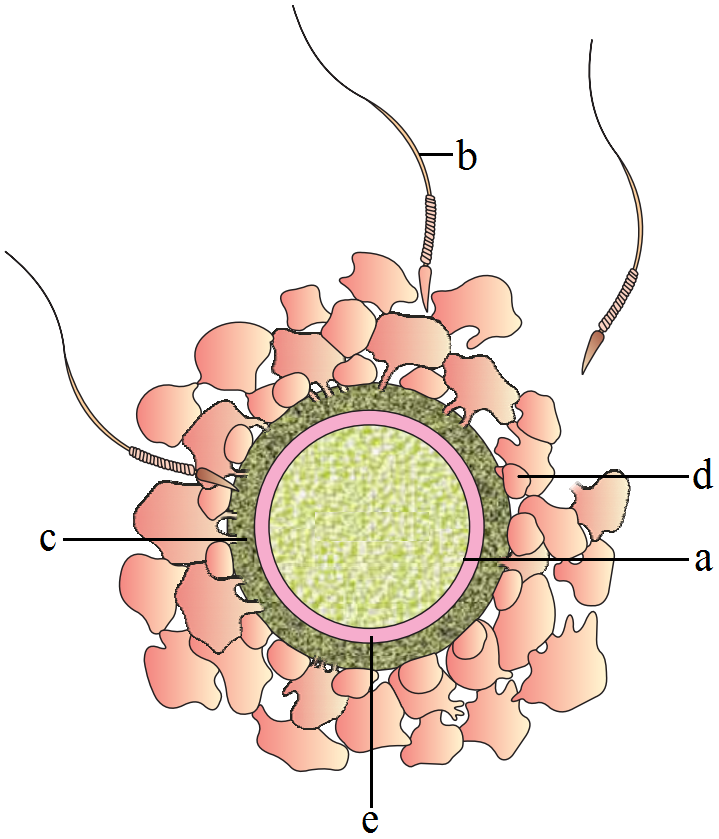
Study the illustration given and answer the questions that follow:

Name and state the function of ‘c’.

Explain the process of replication of a retrovirus after it gains entry into human body.
Answer the following questions:
Explain the role of pituitary and the ovarian hormones in menstrual cycle in human females.
Describe the experiment conducted by Hershey and Chase on the basis of the result obtained, write the condusion also.
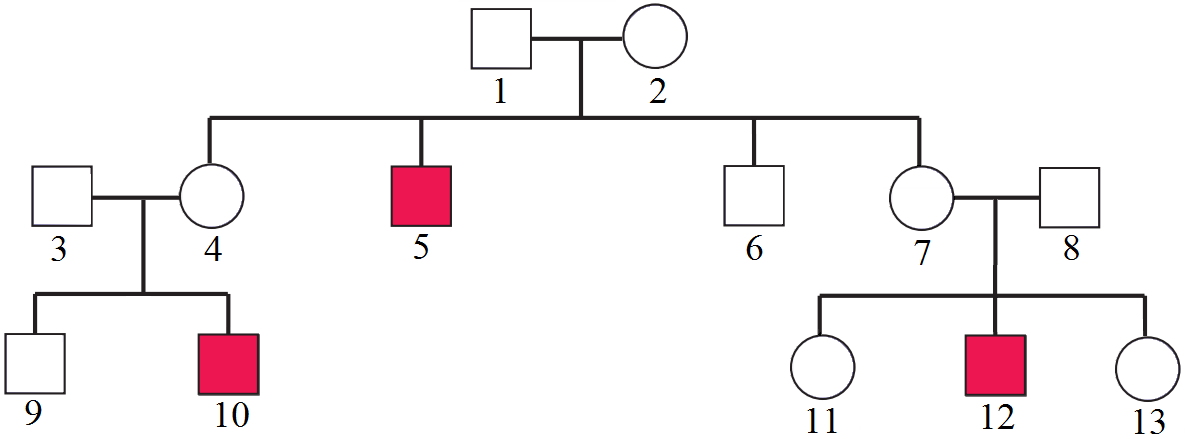
Haemophilia is a sex–linked recessive disease. Study the pedigree analysis given below showing the inheritance of the disease in a family and answer the questions that follow.

  1. Give the evidence from the above analysis which suggests that the disease is:
    1. Sex–linked and,
    2. Caused by a recessive allele.
  2. Write the possible genotypes of the individuals ‘2’ and ‘5’.
Explain the principle of insertional inactivation by giving a suitable example.