Question
What is Human genome project. Present its features and explain its mechanism.

Answer

self

Need a full question paper?

Generate a complete, print-ready paper with questions like this in minutes — across 16+ boards, with answer keys.
Start Generating Free

Similar questions

Write any three differences between benign tumour and malignant tumour.
Explain the role of lactose as inducer in lac Operon.###What is lac operon concept? Describe its mechanism.###In the medium where E. coli was growing, lactose was added, which induced the lac operon. Then, why does lac operon shut down some time after addition of lactose in the medium?###Define the operon and name its Constituent Genes.
List the various abiotic environmental factors.
Describe various methods of contraception for the population control.###What are the main types of methods of birth control?###Discuss use of Various Contraceptive measures used for population.
  1.  
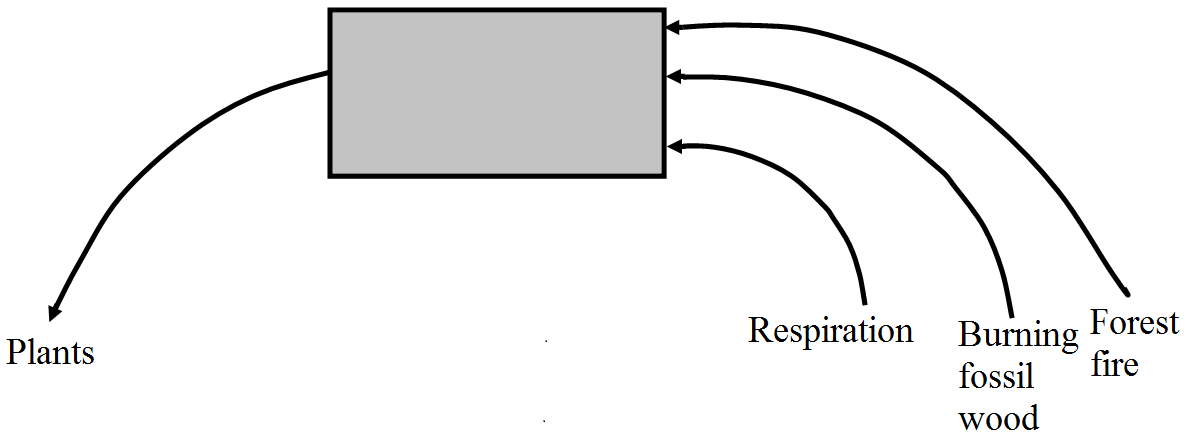
  1. Name the biogeochemical (nutrient) cycle shown below:
  2. Name an activity of the living organisms not depicted in the cycle by which this nutrient is returned to the atmosphere.
  1. How would the flow of nutrient in the cycle be affected due to large scale deforestation? Explain giving reasons.
  2. Describe the effect of an increased level of this nutrient in the atmosphere on our environment.

For selection of recombinants, insertional inactivation of antibiotic marker has been superceded by insertional inactivation of a marker gene coding for a chormogenic substrate. Give reasons.
Write about the role of microbes in nitrogen fixation.
  1. Compare, giving reasons, the J-shaped and S-shaped models of population growth of a species.
  2. Explain "fitness of a species" as mentioned by Darwin.
Answer the following questions:
Explain how recombinants and non-recombinants are differentiated on the basis of colour production in the presence of a chromogenic substrate. Name that procedure.
Distinguish between the following :
(a) Grazing food chain and detritus food chain
(b) Production and Decomposition
(c) Upright and Inverted Pyramids