Question 13 Marks
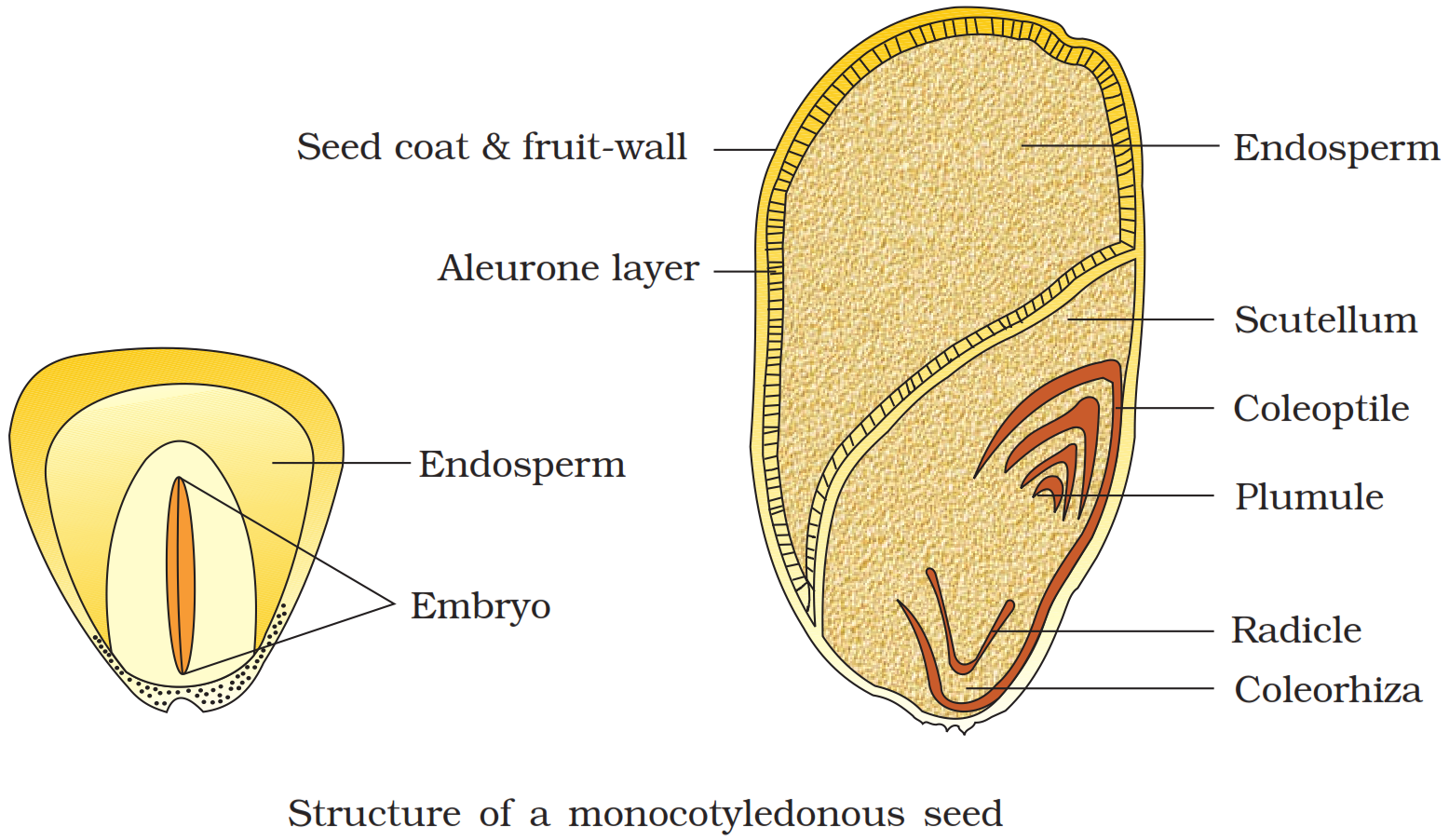
Draw the labelled diagram of the following: Gram seed.
38 questions · self-marked practice — reveal the answer and mark yourself.
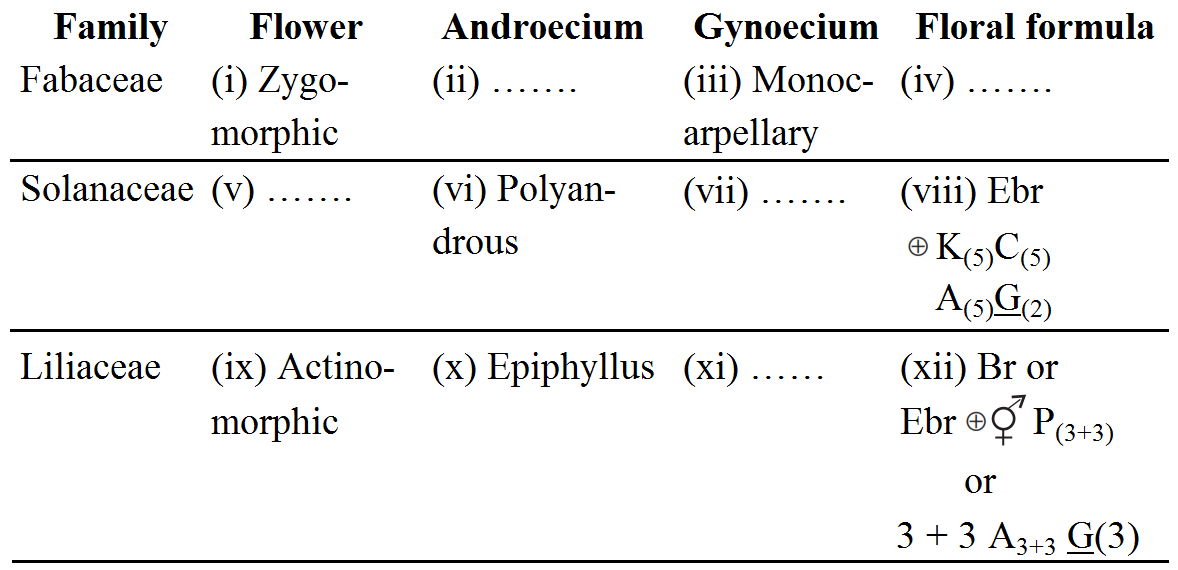
| The floral formula of the described flower is as | 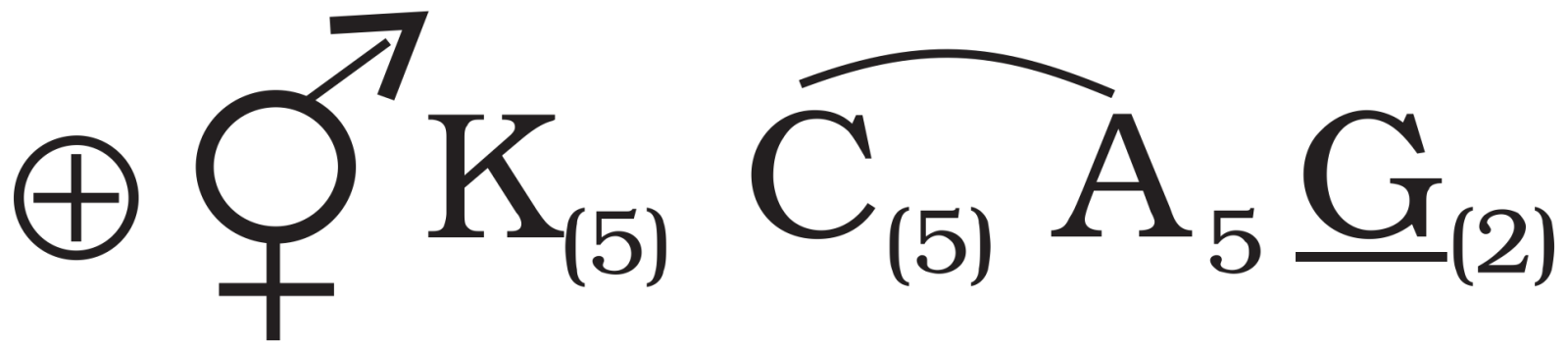 |
| Actinomorphic flowers are represented by the symbol |  |
| A bisexual flower is indicated by |  |
| The calyx contains five united sepals which can be represented as $K_{(5)}$. | |
| The corolla consists of five free petals and it represented as $C_5$. | |
| The androecium consists of five free stamens and is represented by $A_5$. | |
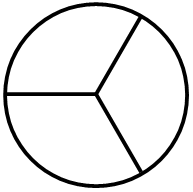
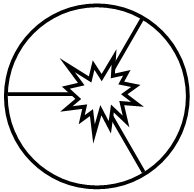
| The gynoecium consists of a superior ovary with two united carpels and axile placentations, which can be represented as $G_({2)}$ |



|
S. No.
|
Parenchyma
|
Collenchyma
|
Sclerenchyma
|
|
i.
|
Living cells.
|
Living cells.
|
Dead cells.
|
|
ii.
|
Forms major component of organs.
|
Found below epidermis.
|
Usually found in epidermis.
|
|
iii.
|
Chloroplast present.
|
Chloroplast present sometimes.
|
Chloroplast absent.
|
|
iv.
|
Performs many vital functions.
|
Provides mechanical support to growing parts.
|
Provides mechanical support to organs.
|
|
S.No.
|
Spike
|
Spadix
|
|
i.
|
The whole peduncle possess sessile flowers.
|
The upper part of peduncle called appendix remains flowerless.
|
|
ii.
|
The inflorescence does not bear spathe.
|
One of more spathes occur over the inflorescence.
|
|
iii.
|
The flowers are exposed.
|
The flowers are covered by spathes.
|
|
iv.
|
Flowers are generally bisexual.
|
Flowers are generally unisexual.
|

|
S.No.
|
Roots of Aquatic Plants
|
Roots of Terrestrial Plants
|
|
i.
|
Poorly developed.
|
Profusely developed.
|
|
ii.
|
Root hair absent.
|
Root hair present.
|
|
iii.
|
Xylem atrophied (poorly developed).
|
Xylem well-developed.
|
|
iv.
|
Aerenchyma occurs.
|
Aerenchyma is absent.
|
|
Реа
|
Pisum sativum
|
|
Gram
|
Cicer arietinum
|
|
Urad
|
Phaseolus munga
|
|
Masur
|
Lens culinaris
|
|
Arhar
|
Cajanus cajan
|
|
Soyabean
|
Glycine max
|
|
S. No
|
Stem
|
Root
|
|
(i)
|
It is the above-ground part of the plant.
|
It is the underground part of the plant.
|
|
(ii)
|
It shows nodes and internodes.
|
It does not show nodes and internodes.
|
|
(iii)
|
It bears axillary and terminal buds.
|
It does not bear any bud.
|
|
(iv)
|
It is generally green, when young.
|
It is generally non green.
|
|
(v)
|
It is positively photo tropic and negatively geotropic.
|
It is negatively phototropic and positively geotropic.
|
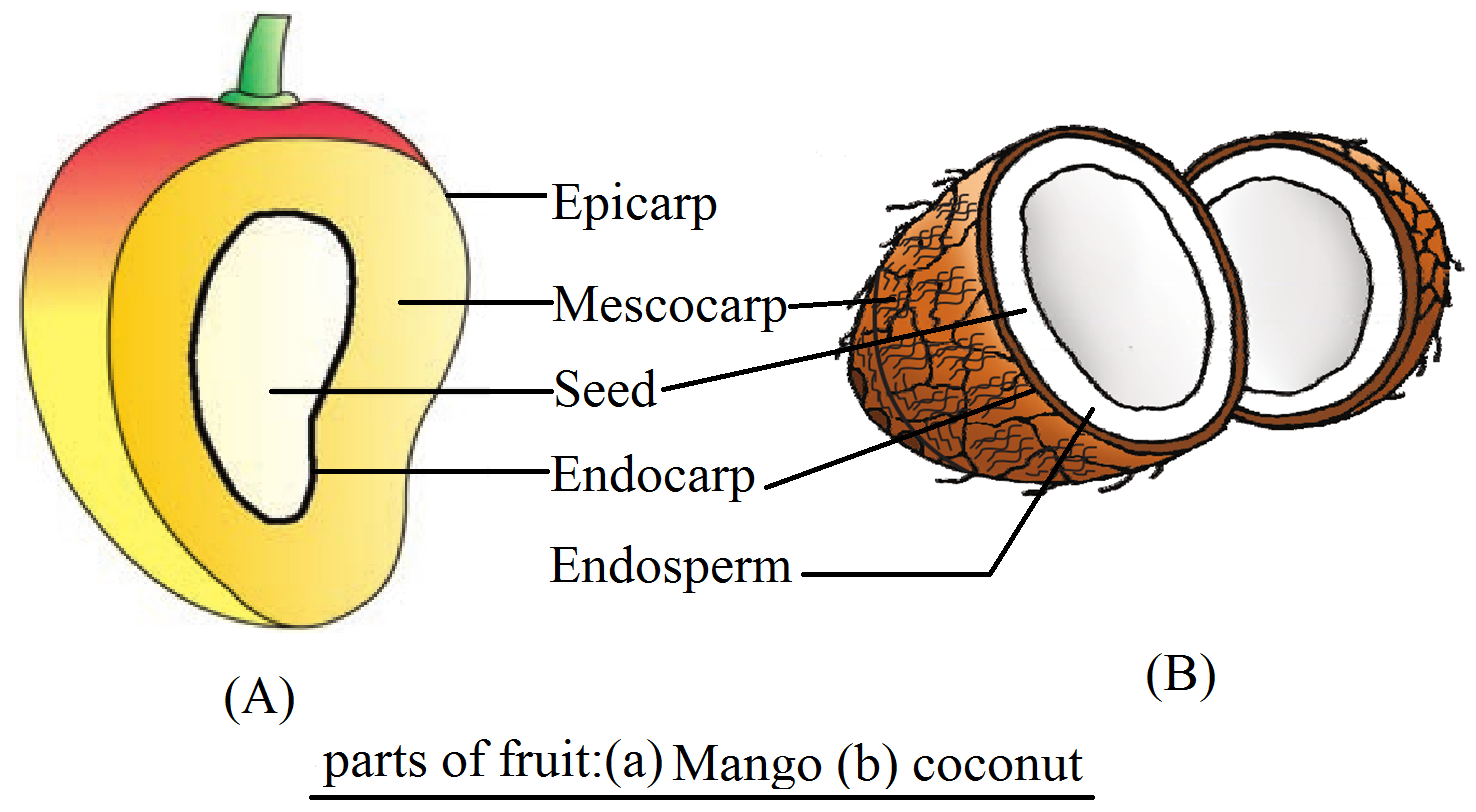 The edible part of coconut (Cocosnucifera) is endosperm. The milk of tender coconut represents the oily endosperm in liquid form. Later it gets deposited along the walls of endocarp and forms edible flesh.