Question 14 Marks
Students in a school listened to the news read in the morning assembly that the mountain of garbage in Delhi, suddenly exploded and various vehicles got buried under it. Several people were also injured and there was traffic jam all around. In the brain storming session the teacher also discussed this issue and asked the students to find out a solution to the problem of garbage. Finally they arrived at two main points – one is self management of the garbage we produce and the second is to generate less garbage at individual level.
- Suggest two measures to manage the garbage we produce.
- As an individual, what can we do to generate the least garbage? Give two points.
- List two values the teacher instilled in his students in this episode.
Answer
View full question & answer→- Measures to manage garbage:
- Throwing the garbage we generate in dustbins.
- Separation of wet and dry wastes.
- Sorting of waste materials as biodegradable and non-biodegradable.
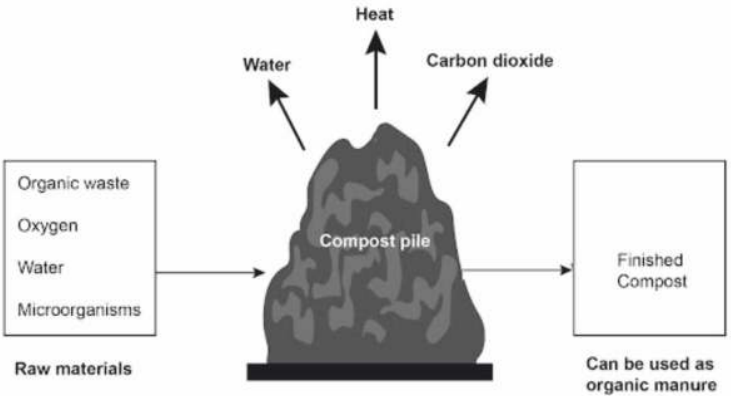
- Composting of biodegradable materials.
- Recycling of non-biodegradable materials.
- We can adopt the following practices to generate less garbage:
- Avoid using plastic bags, instead use bags made of cloth and paper.
- Avoid the use of tissue paper, instead use your own cloth napkin.
- Make use of washable cups, mugs and plates instead of disposables.
- Use kitchen wastes to make compost for increasing soil fertility.
- Values instilled by the teacher in students:
- Sense of responsibility towards the environment.
- Social awareness.