Question
| Column A | Column B (Organisms) |
| 1. Symbiotic nitrogen fixation | a. Nitrobacter |
| 2. Denitrification | b. Cyanobacteria |
| 3. Free living nitrogen fixers | c. Rhizobium |
| 4. Nitrification | d. Paracoccus |
| Column A | Column B (Organisms) |
| 1. Symbiotic nitrogen fixation | a. Nitrobacter |
| 2. Denitrification | b. Cyanobacteria |
| 3. Free living nitrogen fixers | c. Rhizobium |
| 4. Nitrification | d. Paracoccus |
| Column A | Column B (Organisms) |
| 1. Symbiotic nitrogen fixation | c. Rhizobium |
| 2. Denitrification | d. Paracoccus |
| 3. Free living nitrogen fixers | b. Cyanobacteria |
| 4. Nitrification | a. Nitrobacter |
Generate a complete, print-ready paper with questions like this in minutes — across 16+ boards, with answer keys.
| Column A (Adaptation) | Column B (Type of pollination) |
| (1) Sticky, spiny pollen grains non-fragrant flowers | (a) Anemophily |
| (2) Feathery stigma and versatile anther | (b) Chiropterophily |
| (3) Presence of nectar glands and sweet smell | (c) Ornithophily |
| (4) Dull coloured flowers with strong fragrance | (d) Entomophily |
| Geological time | Animal life |
| (1) Cambrian | (a) Amphibians |
| (2) Ordovician | (b) First terrestrial animals |
| (3) Silurian | (c) Jawless fishes |
| (4) Devonian | (d) Trilobite |
|
Case
|
Mother
|
Father
|
Children
|
|
Case I
|
With disease
|
Normal
|
Sons always with diseases
|
|
Case II
|
With disease
|
Normal
|
Sons and daughters could show disease
|

|
Area and number of habitats
|
Species and their population (in thousands) in the area
|
|||||||||
|
A
|
B
|
C
|
D
|
E
|
F
|
G
|
H
|
I
|
J
|
|
|
I(11)
|
23
|
12
|
0.52
|
6.0
|
-
|
3.1
|
1.1
|
9.0
|
-
|
10.3
|
|
II(11)
|
10.2
|
-
|
0.62
|
-
|
1.5
|
3.0
|
-
|
8.2
|
1.1
|
11.2
|
|
III(13)
|
11.3
|
0.9
|
0.48
|
2.4
|
1.4
|
4.2
|
0.8
|
8.4
|
2.2
|
4.1
|
|
IV(12)
|
3.2
|
10.2
|
1.1
|
4.8
|
0.4
|
3.3
|
0.8
|
7.3
|
1.3
|
2.1
|
|
Population
|
Species
|
Species
|
Individuals
|
|
Population A
|
I
|
Mammals
|
3
|
|
II
|
Birds
|
2
|
|
|
III
|
Amphibians
|
2
|
|
|
Population B
|
I
|
Mammals
|
2
|
|
II
|
Mammals
|
2
|
|
|
III
|
Amphibians
|
1
|
|
|
Population C
|
I
|
Mammals
|
3
|
|
II
|
Mammals
|
2
|
|
|
III
|
Mammals
|
4
|
|
|
Maximum diversity
|
Minimum diversity
|
|
(a)
|
Population B
|
Population C
|
|
(b)
|
Population A
|
Population C
|
|
(c)
|
Population A
|
Population B
|
|
(d)
|
Population B
|
Population A
|
|
Early Successional Community
|
Late Successional Community
|
||
|
Species
|
Percent Cover
|
Species
|
Percent Cover
|
|
A
|
83
|
F
|
24
|
|
B
|
5
|
G
|
20
|
|
C
|
9
|
H
|
18
|
|
D
|
2
|
I
|
23
|
|
E
|
1
|
J
|
15
|
|
|
Species Richness
|
Evenness
|
|
(a)
|
Higher
|
Higher
|
|
(b)
|
Higher
|
Lower
|
|
(c)
|
Same
|
Lower
|
|
(d)
|
Same
|
Higher
|
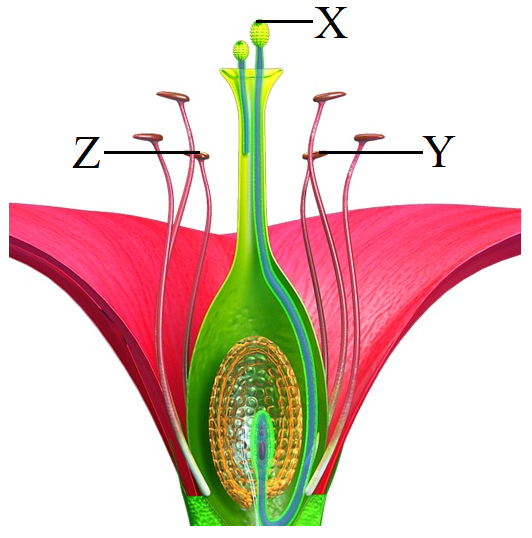
|
S no.
|
Reema
|
Jai
|
Ankit
|
|
(a)
|
Diabetes
|
Grave's disease
|
Rheumatic fever
|
|
(b)
|
Pernicious anaemia
|
Multiple sclerosis
|
Myasthenia gravis
|
|
(c)
|
Addison's disease
|
Rheumatoid arthritis
|
Hashismoto's thyroiditis
|
|
(d)
|
Systemic lupus erythematosus
|
Severe combined immunodeficiency disease
|
AIDS
|