Question
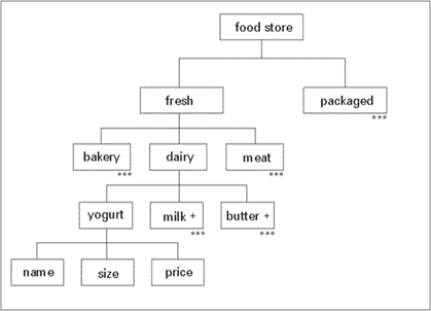
Draw a tree diagram that contains the main points and important supporting details from the following text about flowering plants.
Flowering plants are of various types. Herbaceous flowering plants grow, set seed and die within one year;
biennial plant complete their life cycles in two years; Perennials on the other hand, can live and grow for many years once they have been planted. Plants that flourish and flower during the rainy season are mostly herbaceous annuals such as the Aster, Zinnia, and Sweet pea. Of the herbaceous perennials the most common are members of the Daisy family. The beautifully scented Rose and Jasmine are both Woody and Semi-Woody perennials. There are two other types of plants; bulbous plants and aquatic plants. The former grow from bulbs and tubers planted in the ground; examples of this type are Gladiolus and Tulip. The latter, as their name suggests, grow in water, the most exquisite example being the Lotus or Water Lily. Both bulbous and aquatic plants are usually perennials
Flowering plants are of various types. Herbaceous flowering plants grow, set seed and die within one year;
biennial plant complete their life cycles in two years; Perennials on the other hand, can live and grow for many years once they have been planted. Plants that flourish and flower during the rainy season are mostly herbaceous annuals such as the Aster, Zinnia, and Sweet pea. Of the herbaceous perennials the most common are members of the Daisy family. The beautifully scented Rose and Jasmine are both Woody and Semi-Woody perennials. There are two other types of plants; bulbous plants and aquatic plants. The former grow from bulbs and tubers planted in the ground; examples of this type are Gladiolus and Tulip. The latter, as their name suggests, grow in water, the most exquisite example being the Lotus or Water Lily. Both bulbous and aquatic plants are usually perennials