Question
Explain the following along with their advantages:
  1. Ready to use accounting software.
  2. Customised accounting software.
  3. Tailored accounting software.

Answer

  1. ​​​​​​Ready to use accounting software.
A variety of readymade softwares is available in the market. These softwares are for users at large and are not developed according to the requirements of any specific user. Most popular ready made softwares available in the market are Tally, Ex. Busy etc.
Advantages:
  1. These softwares are developed by a group of highly experienced group of professionals. Hence, they take care of the problems areas which may be overlooked if a particular software is developed for some specific user.
  2. Since these softwares are used by a large number of users, accounting personnel well versed with these softwares are easily available.
  3. They are easy to learn and their training is sometimes offered free by the vendor.
  4. Because of their use by a large number of users, they have better after sales maintenance service.
  5. Because they are available off-the-shelf, time required in developing a tailor made software is saved.
  6. The cost of installation is low.
  1. Customised accounting software.
The term 'Customised Software' means making changes in the ready to use software so as to suit the specific requirements of the user. Any readymade software can be changed according to the needs and specifications of the user. However, the cost of installation of customised softwares are high because the cost of change is to be paid by the user.
Advantages:
  1. These softwares are designed to suit the specific requirements of the users. Hence, they are used by a large number of large and medium size business enterprises.
  2. Level of secrecy for the data is higher.
  3. Linkage to other information systems is available on the basis of need of the enterprise.
  4. Tailored accounting software.
The term “tailor-made software means developing a software according to the needs and specifications of the user. These softwares are not available off-the-shelf.
Advantages:
  1. It being developed according to the specifications of the user, takes care of the specific needs of the enterprise.
  2. The level of secrecy of data and authenticity checks are robust in such softwares.
  3. They can be effectively linked to some other information systems.

Need a full question paper?

Generate a complete, print-ready paper with questions like this in minutes — across 16+ boards, with answer keys.

Start Generating Free

Similar questions

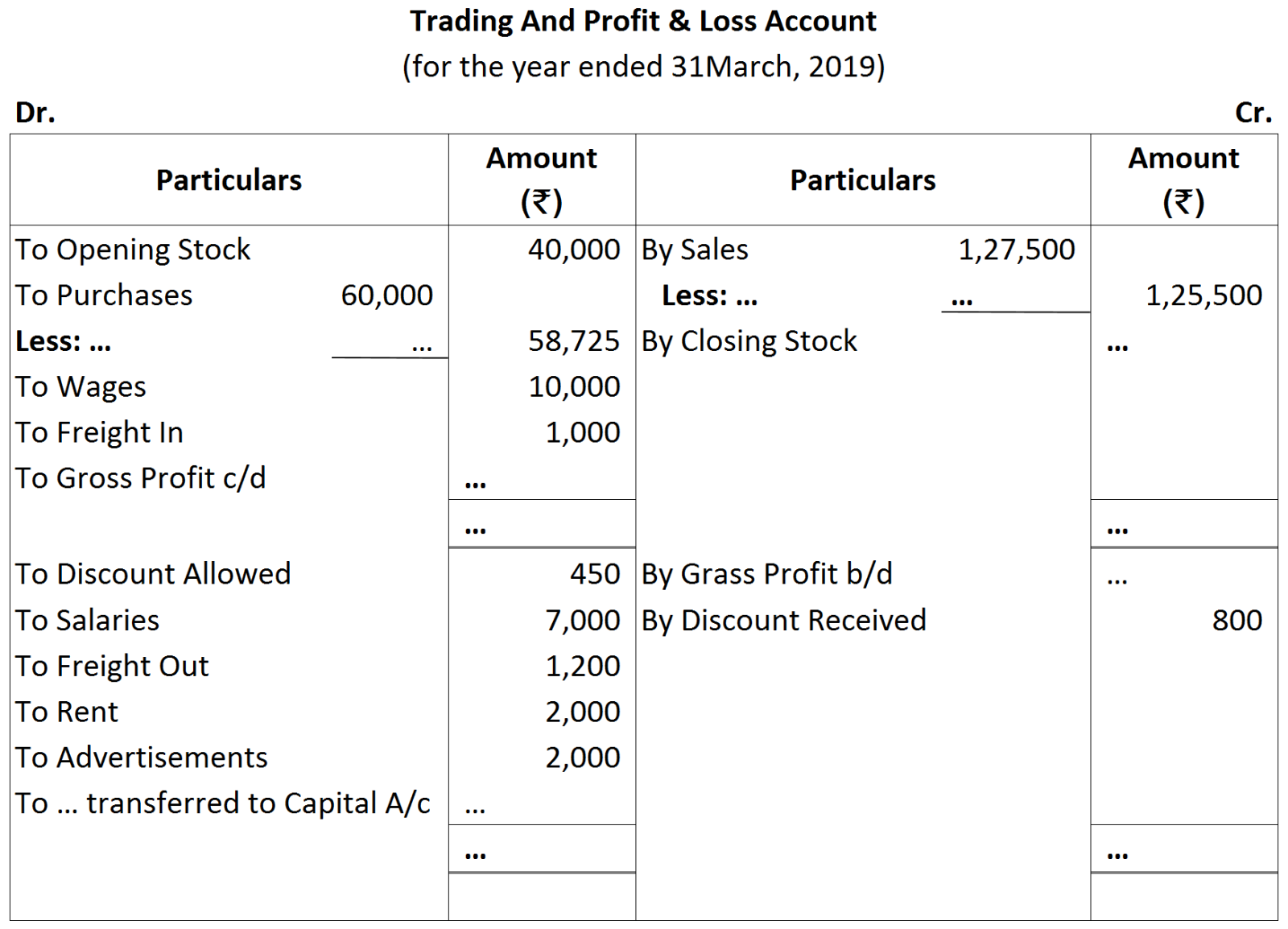
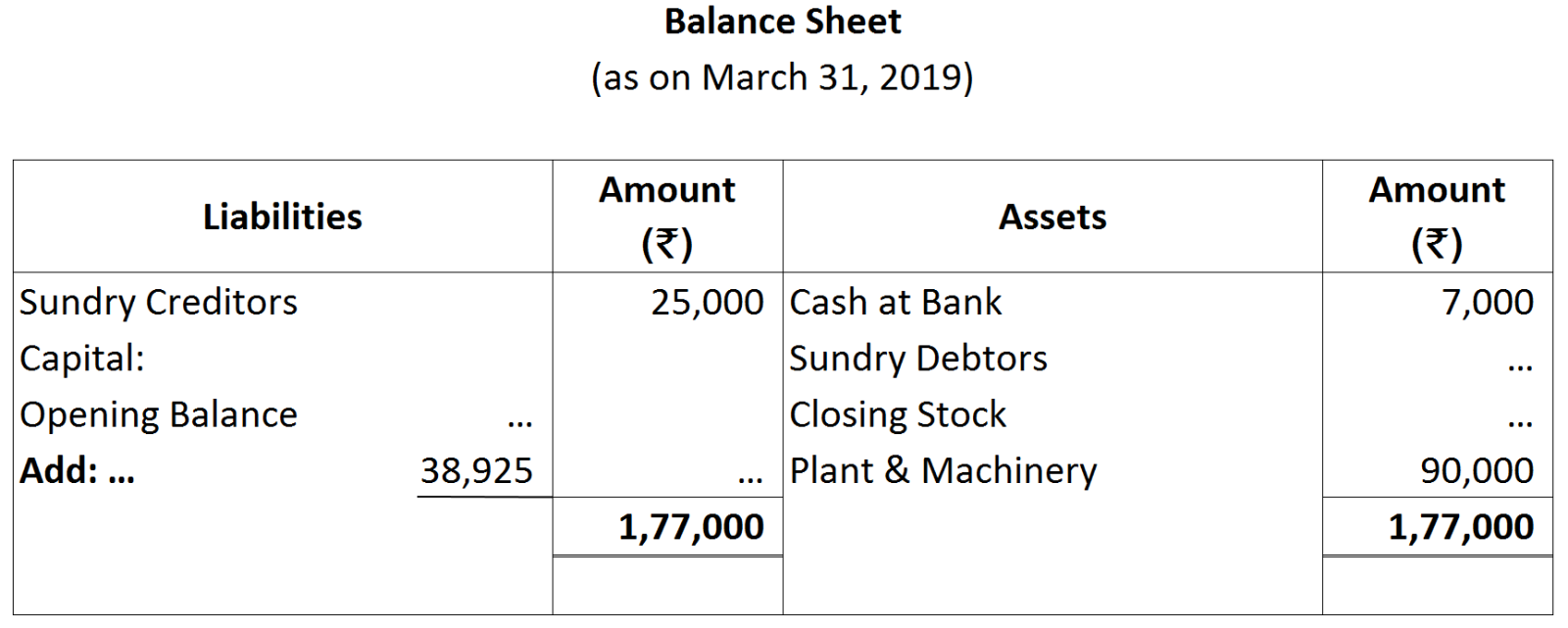
In the following Trading and profit and Loss Account for the year ended $31^{st}$ March, $2019$ and Balance Sheet as on that date, determine the missing information:
A owed B ₹ 8,000. He gave a bill for the same on 1st August, 2018 payable after 4 months at the Bank of India, Chandni Chowk, Delhi. Immediately after receiving the bill, B endorsed it to C in payment of his debt. On 1st September, C discounted the bill at 12% p.a. The bill is met on due date.
Pass the necessary Journal entries in the books of A, B and C.
What is the difference between Single Entry System and Double Entry System?
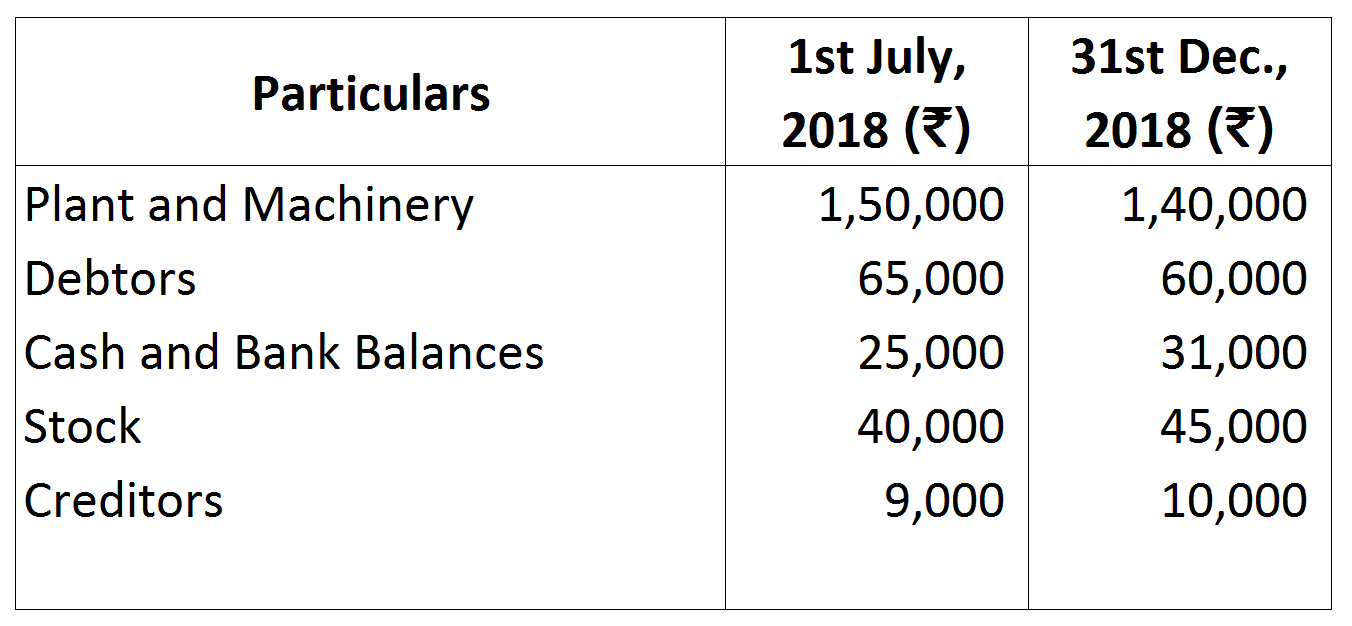
Chaman maintains his books according to Single Entry System. Following figures were available from the books for the six months ended 31st December 2018:
Adjustments:
  1. He had withdrawn ₹ 200 in the beginning of every month for household purposes.
  2. Depreciation on Plant and Machinery @ 10% p.a.
  3. Further Bad Debts ₹ 5,000 and Provision for Doubtful Debts to be created @ 2%.
  4. During the period, salaries have been prepaid by ₹ 500 while wages outstanding were ₹ 1,000.
  5. Interest on drawings to be reckoned @ 6% p.a.
You are required to prepare the Statement of Profit or Loss for the half year ended 31st December, 2018, followed by Revised Statement of Affairs as on that date.
Give three examples of a transaction processing system.
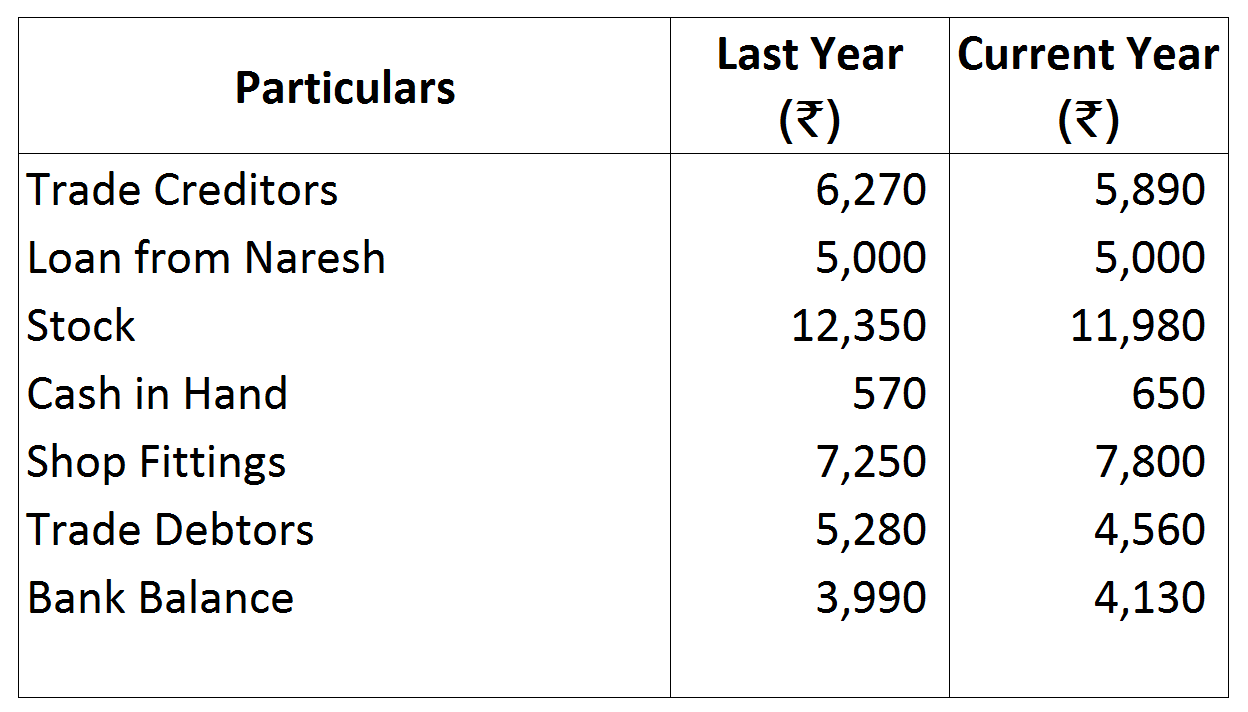
Aditya a retailer, has not maintained proper books of account but it has been possible to obtain the following details:
Calculate the net profit for this year and draft the Statement of Affairs at the end of the year after noting that:
  1. Shop Fittings are to be depreciated by ₹ 780.
  2. Aditya has drawn ₹ 100 per week for his own use.
  3. Included in the Trade Debtors is an irrecoverable balance of ₹ 270.
  4. Interest at 5% p.a. is due on the loan from Naresh but has not been paid for the year.
What are the salient features in Tally?
Pass Journal entries to rectify the errors in the following cases:
  1. A purchase of goods from David amounting to ₹ 150 has been wrongly passed through the Sales Book.
  2. A credit sale of goods of ₹ 120 to Peter has been wrongly passed through the Purchases Book.
  3. ₹ 200, salary paid to Cashier, Bimal, stands wrongly debited to his Personal Account.
  4. A credit sale of ₹ 4,230 to Krishan entered as purchase from Kishan ₹ 4,320.
  5. Ramesh's Account was credited with ₹ 840 twice instead of once.
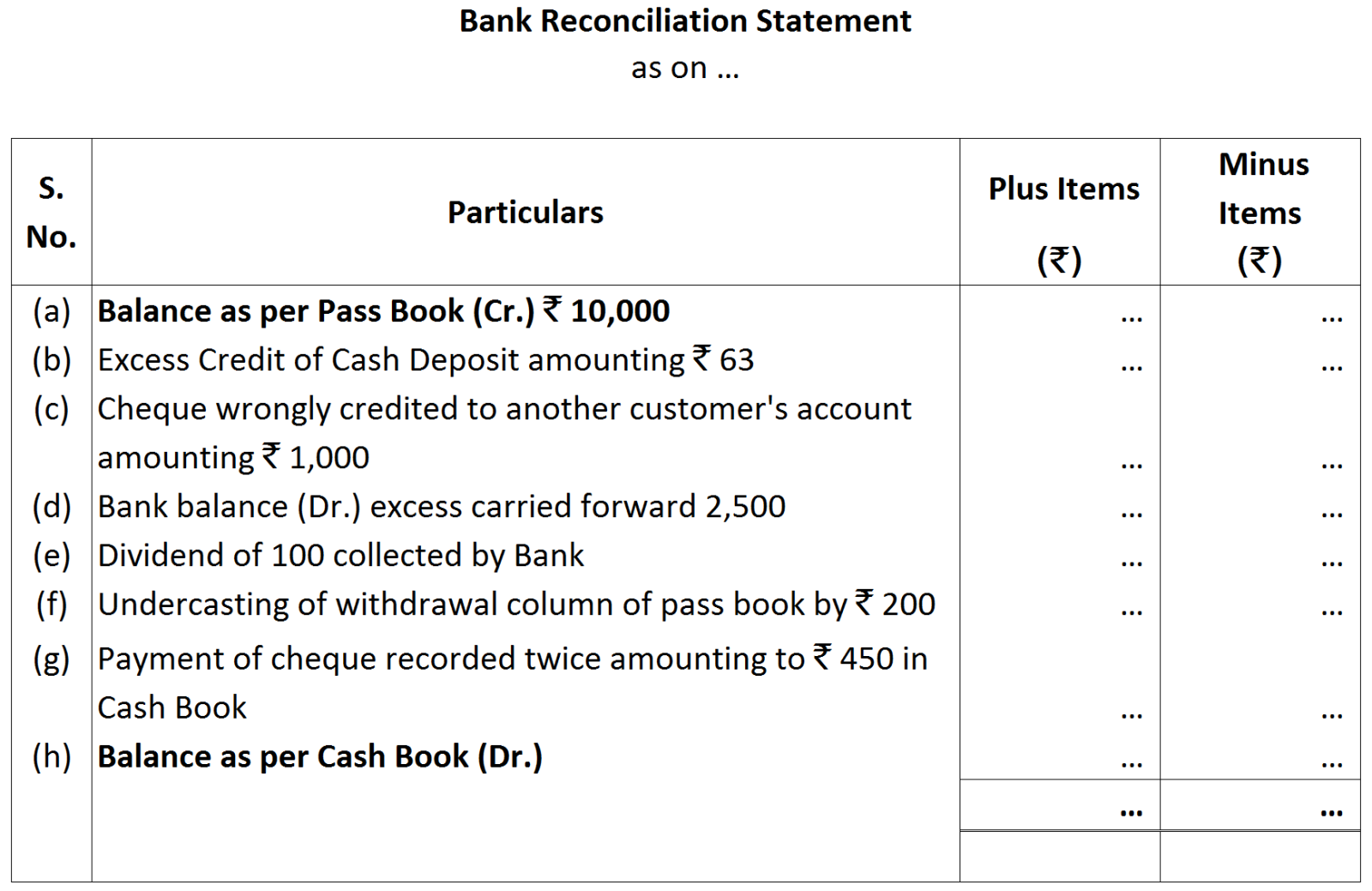
Complete the following Bank Reconciliation Statement:
Vijay commenced business as food grains merchant on 1st April, 2018 with a capital of ₹ 4,00,000. On the same day, he purchased furniture for ₹ 80,000. From the following particulars obtained from his books which do not conform to Double Entry principles, you are required to prepare the Trading and Profit and Loss Account for the year ended 31st March, 2019 and the Balance Sheet as on that date:
 
Sales (including Cash Sales ₹ 2,00,000) 5,00,000
Purchases (including Cash Purchases ₹ 1,20,000 4,00,000
Vijay's Drawings (in Cash) 40,000
Salaries to Staff 48,000
Bad Debts written off 4,000
Trade Expenses paid 16,000
Vijay used goods of ₹ 12,000 for personal purposes during the year. On 31st March, 2019, his Debtors amounted to ₹ 1,40,000 and Creditors ₹ 80,000. Stock-in-Trade on that date was ₹ 1,60,000.