Question
Explain with the help of one example how genetically modified plants can:
  1. Reduce usage of chemical pesticides.
  2. Enhance nutritional value of food crops.

Answer

  1. Reduce usage of chemical pesticides: Bt toxin is produced by a bacterium called Bacillus thuringiensis (Bt for short). Bt toxin gene has been cloned from the bacteria and been expressed in plants to provide resistance to insects without the need for insecticides; in effect created a bio-pesticide. Examples are Bt cotton, Bt com, rice, tomato, potato and soyabean etc.
  2. Enhance nutritional value of food crops: Golden rice is the transgenic variety of basmati rice which gives high yield and rich in vitamin A, so it is used in the deficiency of vitamin-A causing night blindness and skin disorder.

Need a full question paper?

Generate a complete, print-ready paper with questions like this in minutes — across 16+ boards, with answer keys.
Start Generating Free

Similar questions

Answer the following questions:
Draw a diagrammatic sectional view of the female reproductive system of human and label the parts:
  1. Where the secondary oocytes develop.
  2. Which helps in collection of ovum after ovulation.
  3. Where fertilisation occurs.
  4. Here implantation of embryo occurs.
How does a chromosomal disorder differ from a Mendelian disorder?
Explain the different ways of diagnosing cancer.
Describe the events of spermatogenesis with the help of a schematic representation.
Discuss the types of seeds. Also describe its structure.
Differentiate between incomplete dominance and co-dominance. Substantiate your answer with one example of each.
A flower of tomato plant following the process of sexual reproduction produce 240 viable seeds.
Answer the following questions giving reasons:
How many male gametes were involved in this case?
With the help of suitable diagram describe the logistic population growth curve.

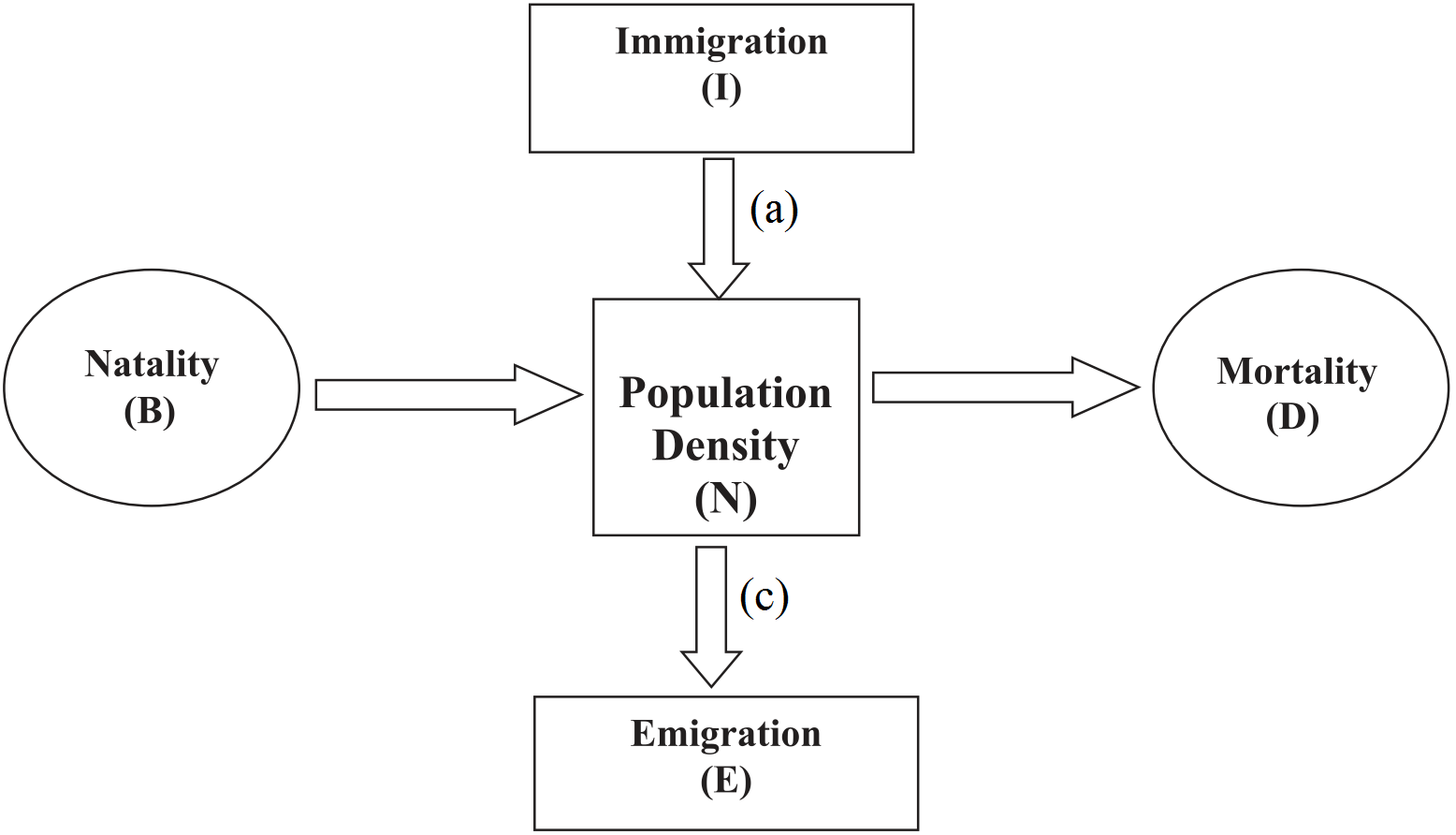
  1. Which of the above represents the increase or decrease of population?
  2. If N is the population density at time t, then what would be its density at time (t + 1)? Give the formula.
  3. In a barn there were 30 rats. 5 more rats enter the barn and 6 out of the total rats were eaten by the cats. If 8 rats were born during the time period under consideration and 7 rats left the barn, find out the resultant population at time (t + 1).
  4. If a new habitat is just being colonized, out of the four factors affecting the population growth, which factor contributes the most?
Where do transcription and translation occur inside a living cell? Briefly describe the three steps involved in the process of translation?