Question
Fill up the missing information in the following journal entries:
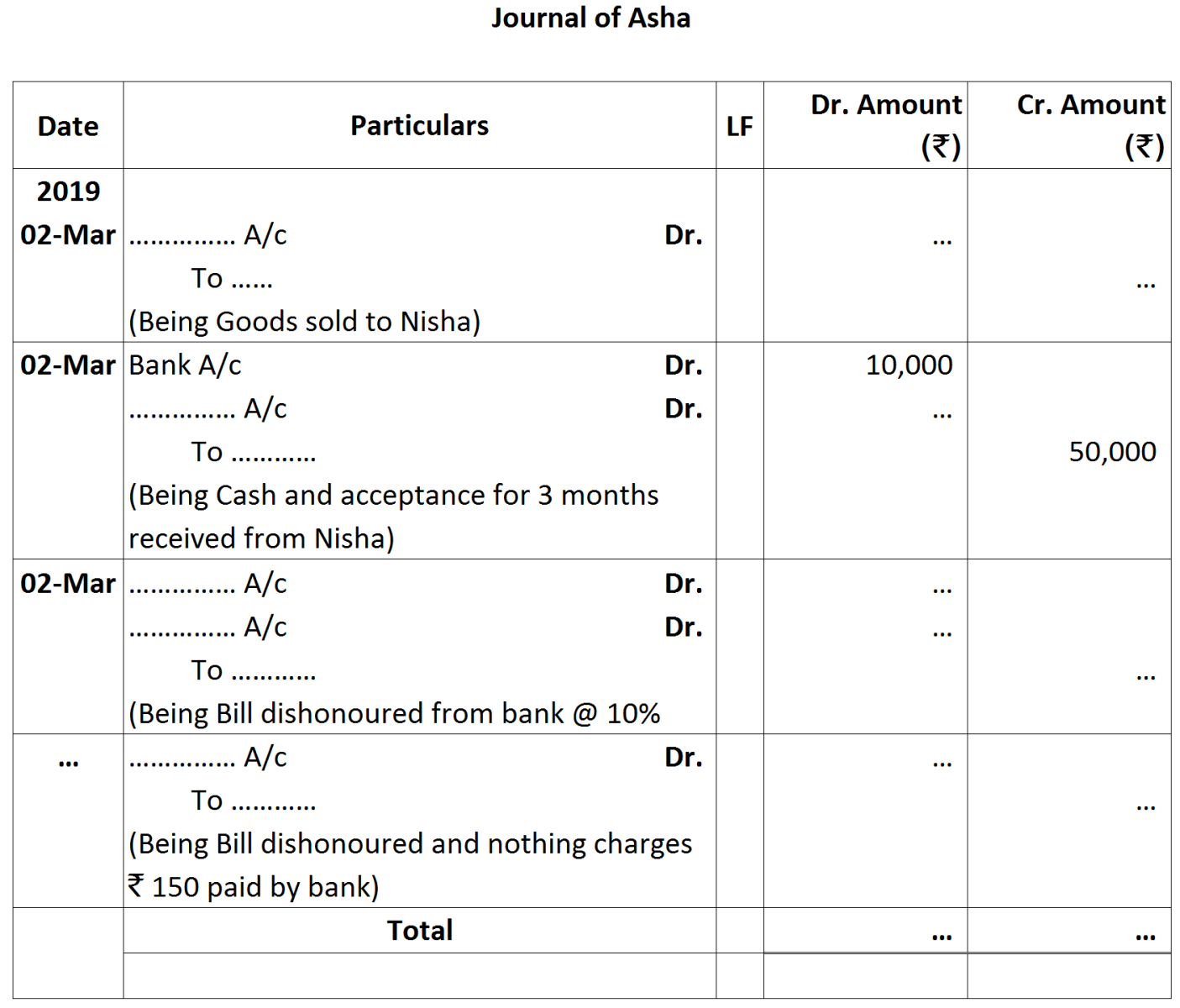
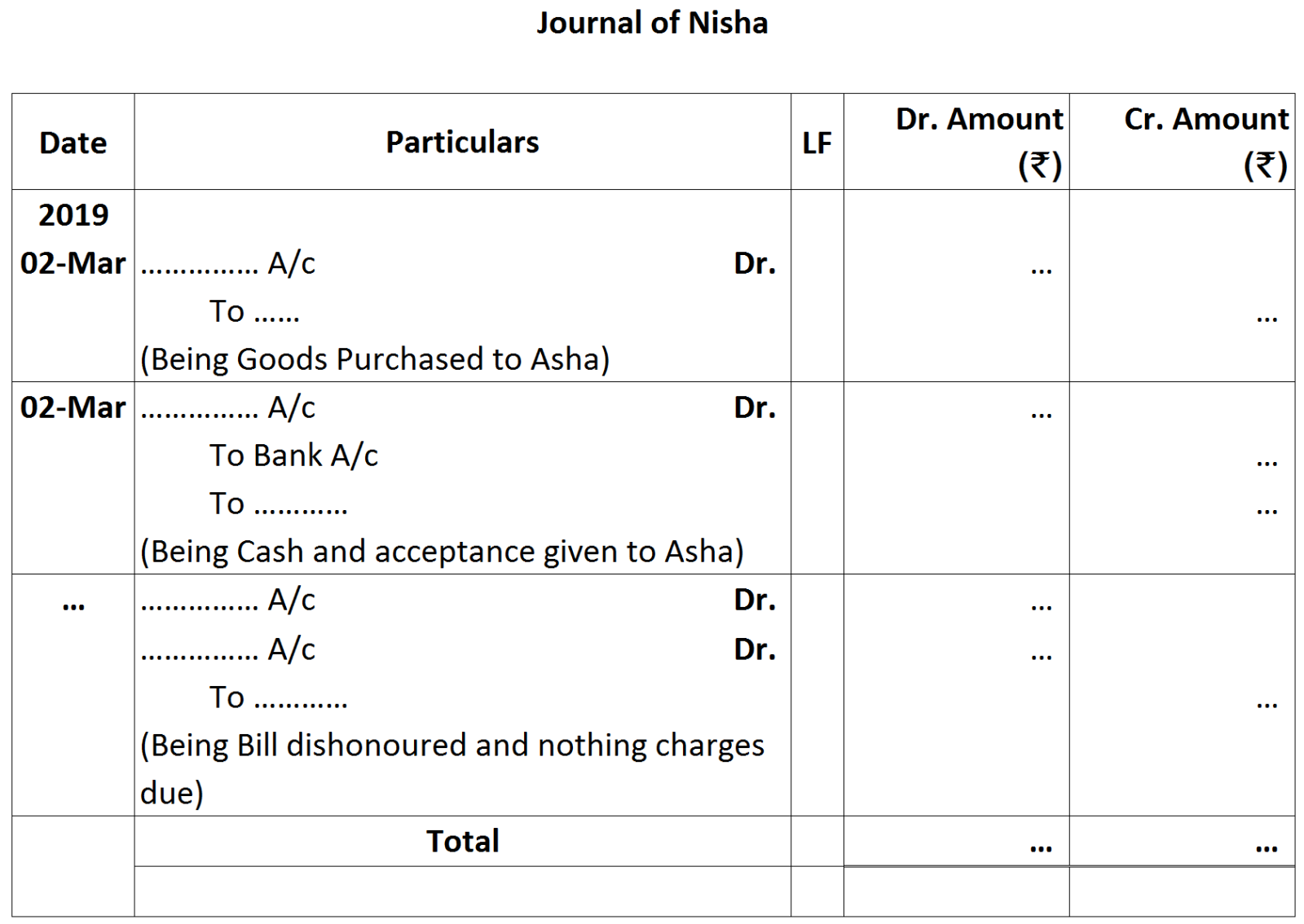
Answer

Get the step-by-step solution for this question inside the Vidyadip app.

Get the answer in the app

Need a full question paper?

Generate a complete, print-ready paper with questions like this in minutes — across 16+ boards, with answer keys.

Start Generating Free

Similar questions

Rectify the following errors:
  1. Sale of old furniture worth ₹ 3,000 treated as sales of goods.
  2. Sales Book added ₹ 5,000 short.
  3. Rent of proprietor’s residence, ₹ 6,500 debited to Rent Account.
  4. Goods worth ₹ 11,970 returned by Manav posted to his debit as ₹ 11,790.
The following information relate to the business of Mohit Raina, who requests you to prepare his amended Cash Book and reconcile his Cash Book balance with his Pass Book balance:
 
Balance as per Cash Book (Cr.)
40,000
Unpresented cheques
72,000
Uncredited cheques
13,000
You have been given the following additional information:
  1. The debit side of the Cash Book (Bank Column) has been undercast by ₹ 25,000.
  2. A cheque for ₹ 10,000 paid to a creditor has been wrongly entered in the Cash Column.
  3. Bank commission and other charges ₹ 4,000 have not been recorded in the Cash Book.
Elucidate the following statement:
‘Only cash transactions are recorded in Cash Book'.
From the following particulars prepare bank reconciliation statement as on 31st March 2015:
  1. Debit balance as per Cash Book ₹ 1,500.
  2. A cheque for ₹ 2,000 issued in favour of X has not been presented for payment.
  3. A bill for ₹ 4,000 retired by bank under a rebate of ₹ 120. The full amount of the bill was credited in Cash Book.
  4. A cheque for ₹ 750 deposited in bank has been dishonoured.
  5. A sum of ₹ 3,600 deposited in the bank has been credited as ₹ 360 in the Pass Book.
  6. Payment side of Cash Book has been undercast by ₹ 100.
Prepare accounting equation from the following:
 
 
(a)
Kunal started business with cash
2,50,000
(b)
He purchased furniture for cash
35,000
(c)
He paid commission
2,000
(d)
He purchases goods on credit
40,000
(e)
He sold goods (costing ₹ 20,000) for cash
26,000
Asset = Cash ₹ 2,39,000 + Furniture ₹ 35,000 + Goods ₹ 20,000 = ₹ 2,94,000; Liabilities = Creditors ₹ 40,000 + Capital ₹ 2,54,000 = ₹ 2,94,000
A Company purchased a second-hand machine on 1st April, 2016, for ₹ 30,000 and immediately spent ₹ 4,000 on its repair and ₹ 1,000 on its installation. On Oct. 1, 2018, the machine was sold for ₹ 25,000. Prepare Machine Account after charging depreciation @ 10% p.a. by diminishing balance method, assuming that the books are closed on 31st March every year. IGST was charged @12% on purchase and sale of machine.
There was a difference of ₹ 720 in the Trial Balance which has been transferred to the credit side of the Suspense Account. Pass the rectifying entries and prepare a Suspense Account to rectify the following errors:
  1. An amount of ₹ 375 now posted on the debit side of the Commission Account instead of ₹ 275.
  2. Credit amount of ₹ 260 posted to the debit of the Personal Account as ₹ 360.
  3. Goods sold to Surinder recorded in Purchases Book ₹ 300.
  4. D’s bill for erection of godown at a cost of ₹ 1,200 has been charged to the Repairs Account.
The following transactions took place during the week ended 28th May, 2019. How will you record them in the Petty Cash Book which was maintained with a weekly 'float' of ₹ 3,000?
2019  
May 23 Postage 400
May 24 Casual labour 500
May 24 Taxi hire 600
May 26 Note pads and registers 800
May 27 Cartage 200
May 28 ​Bus fare​ 300
On 15th February, 2019, X sold goods to Y for ₹ 60,000. On the same day, Y accepted a bill drawn upon him by X for three months for ₹ 60,000. X immediately discounted the bill at 15% p.a. at his bank and Y met the bill on maturity. Make Journal entries in the books of both the parties.
Why assets are classified into current and non-current?